

Surface Water Pumps
Pay in 3 interest-free payments on purchases from £30-2000 with  . Learn more.
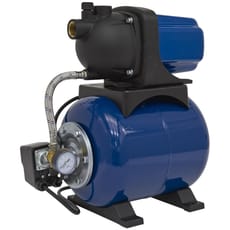
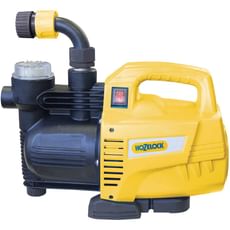
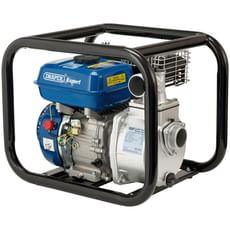
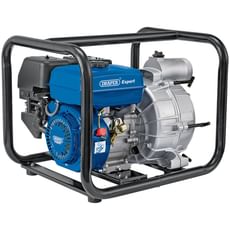
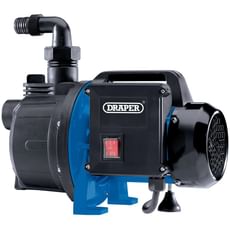
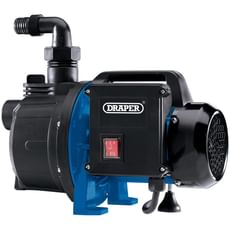
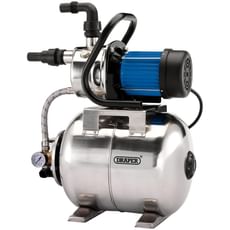
 Loading...
End of content
Error - No more pages to load
About Surface Water Pumps
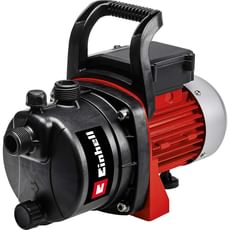
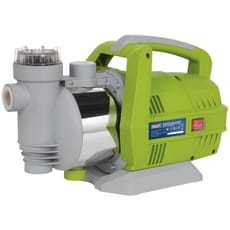
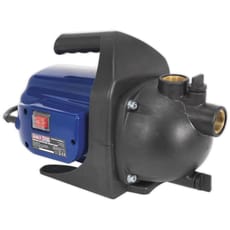
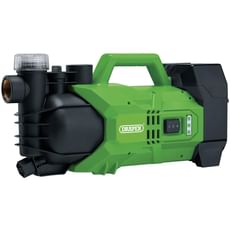
Surface water pumps are essential pieces of equipment designed to move clean or slightly contaminated water from one location to another without being submerged in the water source. Unlike submersible pumps that sit beneath the waterline, surface pumps remain above ground level and draw water through an inlet hose or pipe. These versatile pumps are ideal for a wide range of applications including garden irrigation, water transfer from tanks or ponds, boosting mains water pressure, and clearing surface water from flooded areas.
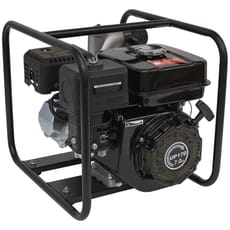
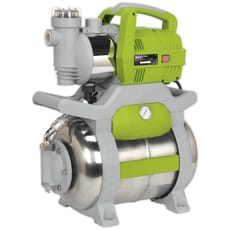
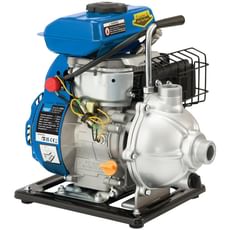
The selection at Tooled-Up.com includes several distinct types of surface water pumps to suit different requirements. Booster pumps are specifically designed to increase water pressure in domestic and commercial systems, making them perfect for homes with poor mains pressure or properties with multiple bathrooms. Standard surface pumps handle general water transfer tasks, whilst trash water pumps can cope with slightly dirty water containing small debris. Available in both electric models (typically 240v for UK mains power) and petrol-driven variants for locations without electrical supply, these pumps deliver flow rates ranging from modest domestic use to powerful commercial applications capable of moving thousands of litres per hour.
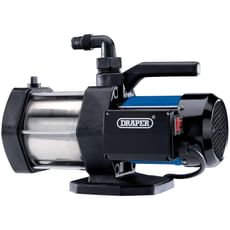
Quality brands including Draper, Sealey, Einhell and Hozelock manufacture surface water pumps with features such as stainless steel construction for durability, automatic pressure switches for convenience, thermal overload protection for safety, and non-return valves to prevent backflow. Whether you need a compact electric pump for watering the garden or a heavy-duty petrol pump for site drainage, surface water pumps offer reliable performance without the installation complexity of submersible systems.
Jargon Buster
- Max Head Height: The maximum vertical distance (measured in metres) that a pump can push water upwards from the pump location. This is crucial for calculating whether a pump has sufficient power for your application, especially when pumping to elevated locations or over long distances.
- Flow Rate/Max Output: The volume of water a pump can move, typically measured in litres per minute (L/min) or litres per hour (L/h). Higher flow rates mean faster water transfer but may reduce the maximum head height achievable.
- Booster Pump: A specialised surface pump designed to increase water pressure in existing systems rather than simply transferring water. Often includes an expansion tank and automatic pressure switches to maintain consistent pressure.
- Self-Priming: The pump's ability to automatically draw water up from the source and expel air from the system without manual intervention. Self-priming pumps are more convenient but may take a few moments to establish flow when first started.
- Trash Water/Dirty Water Capability: The pump's ability to handle water containing small particles and debris without clogging. Trash water pumps feature larger impeller clearances and can typically handle solids up to a specified diameter.
- Thermal Overload Protection: A safety feature that automatically shuts down the motor if it overheats, preventing damage and extending the pump's operational life.
Who Uses Surface Water Pumps?
- Groundworkers and drainage contractors for site dewatering and water management on construction sites
- Landscapers and gardeners for irrigation systems, pond filling, and water feature installations
- Plumbers and heating engineers for boosting water pressure in domestic and commercial properties
- Farmers and agricultural workers for livestock watering, field irrigation, and water transfer between tanks
- Property maintenance professionals for managing flooding, draining pools, and emergency water removal
- Homeowners and DIY enthusiasts for garden watering, pool maintenance, and improving home water pressure
- Site managers and facilities teams for general water management and pressure boosting in commercial buildings
- Hire companies and plant operators providing water pumping solutions for temporary applications
How to Choose the Right Surface Water Pumps
Power Source: Decide between electric and petrol models based on your working environment. Electric 240v pumps suit locations with mains power access and offer quieter operation with lower running costs. Petrol pumps provide portability and higher power output for remote sites or emergency situations where electricity isn't available.
Flow Rate and Head Height: Calculate your requirements carefully. Determine how much water you need to move per hour and the vertical and horizontal distances involved. Remember that head height includes both vertical lift and horizontal run (approximately 10 metres horizontal equals 1 metre of head). Choose a pump with capacity exceeding your minimum requirements to ensure efficient operation.
Water Quality: Match the pump to your water source. Standard surface pumps handle clean water from tanks, mains supplies, or clear ponds. If you're pumping rainwater, pond water with sediment, or flood water containing small debris, select a trash water pump designed to handle particulates without clogging.
Application Type: For boosting household water pressure, choose a dedicated booster pump with an integrated expansion tank and automatic pressure switch. These maintain consistent pressure and switch on only when water is drawn. For simple water transfer or irrigation, a standard surface pump offers better value and simplicity.
Build Quality and Materials: Stainless steel pumps available from Tooled-Up offer superior corrosion resistance and longevity compared to plastic or cast iron alternatives, making them worthwhile for permanent installations or frequent use. Consider thermal overload protection and sealed motors for reliability.
Connection Sizes: Check inlet and outlet diameters (typically 25mm to 50mm) match your existing hoses or pipework. Adaptors are available but choosing compatible sizes from the outset simplifies installation and maximises flow efficiency.
Popular Accessories
- Suction and delivery hoses in various diameters and lengths with appropriate connections
- Foot valves and strainers to prevent debris entering the pump and maintain prime
- Non-return valves (check valves) to prevent backflow when the pump stops
- Pressure switches and controllers for automated operation and pressure management
- Hose clips and jubilee clips to secure connections and prevent leaks
- Quick-release connectors and adaptors for various hose sizes and thread types
- Pump protection covers for outdoor installations to shield from weather
- Petrol additives and fuel stabilisers for maintaining petrol-powered models
- Replacement filters and wear parts including impellers and seals
- Pressure gauges for monitoring system performance
Safety Information
Electrical Safety: All 240v electric pumps must be connected through an RCD (residual current device) for protection against electric shock, especially when used outdoors or near water. Ensure connections are weatherproof and rated for outdoor use. Never handle electrical equipment with wet hands or operate damaged pumps.
Petrol Safety: Store and handle petrol in approved containers away from ignition sources. Refuel petrol pumps only when cool and in well-ventilated areas. Keep appropriate fire extinguishers nearby when operating petrol equipment. Follow HSE guidance for fuel storage and handling on work sites.
Dry Running Protection: Never run surface water pumps without water as this causes immediate damage to seals and impellers. Ensure adequate water supply before starting and use automatic shut-off switches or float switches where possible to prevent dry running.
Installation Safety: Position pumps on stable, level surfaces away from flooding risk. Secure all hose connections with appropriate clips to prevent disconnection under pressure. Ensure adequate ventilation around the motor housing to prevent overheating. Keep pump installations away from areas accessible to children.
Maintenance Safety: Isolate electrical supply or ensure petrol engines are switched off and cool before performing maintenance. Release system pressure before disconnecting hoses or opening the pump body. Wear appropriate PPE including gloves and eye protection when servicing pumps.
Frequently Asked Questions
What's the difference between a surface pump and a submersible pump?
Surface pumps remain above ground and draw water through a suction hose, whilst submersible pumps sit underwater in the source. Surface pumps are easier to maintain and monitor but generally less powerful for deep water extraction. They're ideal for shallow water sources (up to 7-8 metres suction depth), boosting pressure, and situations where easy access for servicing is important. Submersible pumps work better for deep wells, boreholes, and applications requiring the pump to be hidden underwater.
How high can a surface water pump lift water?
Maximum head height varies by model, typically ranging from 25 to 60 metres for domestic pumps. However, this is the total head including both vertical lift and horizontal distance (roughly 10 metres horizontal run equals 1 metre head). The suction lift (pulling water up to the pump) is limited to around 7-8 metres due to atmospheric pressure. For greater total lift, the pump should be positioned closer to the water source rather than at the delivery point.
Can surface water pumps run continuously?
Most surface water pumps can operate continuously with adequate cooling, but duty cycles vary by model. Domestic pumps typically benefit from periodic rest periods, whilst commercial pumps are often rated for continuous duty. Booster pumps with pressure switches automatically cycle on and off as needed. Always check the manufacturer's specifications for duty cycle ratings and ensure the pump has adequate ventilation to prevent thermal overload.
Do I need a booster pump or a standard surface pump?
Choose a booster pump specifically if you need to increase mains water pressure in a building with poor flow to taps, showers, or appliances. Booster pumps include integrated expansion tanks and pressure switches that maintain consistent pressure automatically. Standard surface pumps are designed for water transfer applications such as irrigation, draining, or moving water between containers, and don't include the pressure regulation features needed for domestic supply boosting.
Why won't my surface pump prime?
Priming issues typically stem from air leaks in the suction line, excessive suction height (over 7-8 metres), blocked foot valves or filters, or dry pump seals. Check all connections on the suction side are airtight with hose clips properly secured. Ensure the suction hose slopes upward continuously to the pump without high points that trap air. Many pumps require the casing to be filled with water before first use. If seals have dried out from storage, running water through the pump body often resolves the issue.