

Switches & Sockets
Pay in 3 interest-free payments on purchases from £30-2000 with  . Learn more.
 Loading...
End of content
Error - No more pages to load
About Switches & Sockets
Switches and sockets form the essential interface between the 240v mains supply and the electrical devices used throughout homes, commercial premises, and industrial settings. From basic single-gang light switches to weatherproof outdoor sockets, this category encompasses all the components required for safe and compliant electrical installations. Whether specifying products for new builds, rewiring projects, or simple replacements, choosing the correct switches and sockets ensures both safety and longevity in any electrical system.
The range available at Tooled-Up.com includes everything from surface-mounted pattress boxes and metal back boxes to junction boxes, inline connectors, and earth clamps. Light switches are available in various configurations including one-way, two-way, and intermediate switching arrangements, whilst plug sockets range from standard single and double facings to specialised designs with USB charging ports. For outdoor applications, weatherproof enclosures and IP-rated products provide protection against moisture and dust ingress, essential for garden lighting, power tools, and external security systems.
Modern electrical accessories must comply with British Standards including BS 1363 for 13A plugs and sockets, and BS 7671 wiring regulations. Quality matters significantly in these products, as inferior components can lead to poor connections, overheating, and potential fire hazards. Professional electricians and competent DIY enthusiasts understand that investing in reputable brands and correctly rated accessories pays dividends in reliability and safety over the installation's lifetime.
Jargon Buster
- Gang: Refers to the number of switches or sockets on a single faceplate. A "2-gang switch" controls two separate circuits, whilst a "double socket" provides two 13A outlets on one plate.
- IP Rating: The Ingress Protection rating indicates resistance to solid objects and liquids. IP44 offers splash protection suitable for bathrooms, whilst IP66 provides full weatherproofing for outdoor installations.
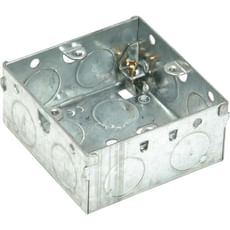
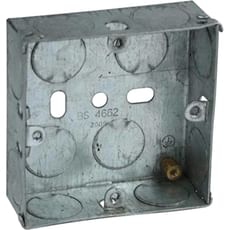
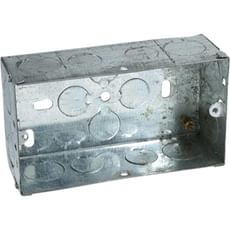
- Back Box (Mounting Box): The metal or plastic enclosure set into the wall that houses electrical connections and provides a secure mounting point for switches and sockets. Available in various depths (typically 16mm, 25mm, 35mm, or 47mm) depending on wiring requirements.
- Pattress Box: A surface-mounted version of a back box used where flush mounting isn't possible or practical, commonly seen in commercial settings and older properties with solid walls.
- Spurs: Connection points allowing additional sockets or fixed appliances to be added to an existing ring main circuit without running cable back to the consumer unit.
- Two-Way Switching: A configuration allowing a single light or circuit to be controlled from two different switch locations, commonly used for stairs and long corridors. Three-way switching requires an intermediate switch.
Who Uses Switches & Sockets?
- Electricians: Qualified sparkies completing domestic, commercial, and industrial installations requiring compliant electrical accessories
- Maintenance Engineers: Professionals responsible for replacing faulty components and upgrading electrical systems in commercial and residential buildings
- Builders and General Contractors: Site workers coordinating new builds and renovations requiring complete electrical accessory packages
- Kitchen and Bathroom Fitters: Tradespeople installing specialist switches and sockets in moisture-prone environments
- Landlords and Property Managers: Individuals maintaining rental properties and ensuring electrical installations meet safety standards
- Competent DIY Enthusiasts: Homeowners with electrical competence undertaking permitted minor works such as like-for-like replacements
- Facilities Managers: Personnel responsible for maintaining electrical infrastructure in offices, warehouses, and public buildings
- Shopfitters and Retail Contractors: Specialists installing electrical systems in commercial premises with specific aesthetic and functional requirements
How to Choose the Right Switches & Sockets
Application and Location: Consider where the switch or socket will be installed. Bathrooms require pull-cord switches or products with appropriate IP ratings positioned outside designated zones. Outdoor locations demand fully weatherproof enclosures with gaskets and sealed covers. Kitchen installations benefit from switched sockets to isolate appliances without unplugging.
Current Rating: Standard UK sockets are rated at 13A per outlet, suitable for most domestic appliances. However, high-draw equipment like electric showers, cookers, and immersion heaters require dedicated circuits with appropriately rated switches or connection units. Always verify the total load on any circuit doesn't exceed its design capacity.
Mounting Method: Flush-mounted installations provide a neat finish but require suitable wall depth and back boxes. Surface-mounted options with pattress boxes suit solid walls, temporary installations, or situations where chasing out isn't feasible. The depth of back boxes matters—deeper boxes accommodate more connections and reduce cable compression.
Finish and Style: Whilst functionality takes priority, aesthetic considerations matter in domestic settings. Tooled-Up stocks switches and sockets in various finishes including white plastic, brushed steel, polished chrome, and black nickel to complement different interior designs. Commercial settings typically favour robust white or metal-clad options.
Switching Configuration: Determine whether single-pole (breaks live only) or double-pole switching (breaks both live and neutral) is required. Double-pole isolation is mandatory for certain fixed appliances. For lighting circuits, establish if one-way, two-way, or intermediate switching is needed based on control point locations.
Additional Features: Modern sockets increasingly incorporate USB charging ports, eliminating the need for plug adapters. Neon indicators show when sockets are live, whilst timer switches and occupancy sensors improve energy efficiency. Consider future-proofing with smart-ready products compatible with home automation systems.
Popular Accessories
- Electrician's Screwdrivers: Insulated screwdrivers complying with VDE standards for safe work on live electrical installations
- Cable Detectors: Electronic devices locating hidden cables before drilling to prevent dangerous strikes
- Voltage Testers: Essential tools for confirming circuits are dead before commencing work
- Plasterboard Saws: Cutting tools for creating neat apertures in drywall for back boxes
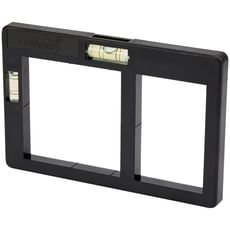
- Spirit Levels: Ensuring switches and sockets are installed perfectly horizontal or vertical
- Electrical Tape: PVC insulation tape for temporary repairs and cable identification
- Cable Clips and Trunking: Accessories for neat surface cable runs in visible installations
- Blanking Plates: Covering unused back boxes whilst maintaining a finished appearance
- Earth Sleeves: Green/yellow sleeving for identifying earth conductors in installations
- Choc Blocks and Connectors: Terminal blocks for making secure electrical connections within enclosures
Safety Information
Competent Person Requirement: Part P of the Building Regulations governs electrical work in domestic properties. Whilst minor works such as like-for-like replacements of switches and sockets are permitted for competent persons, new circuits, work in bathrooms, and outdoor installations must be completed by qualified electricians registered with approved schemes (NICEIC, NAPIT, ELECSA). All electrical work should comply with BS 7671 (IEE Wiring Regulations).
Isolation: Always isolate circuits at the consumer unit before working on switches or sockets. Verify isolation using a proper voltage tester—never assume a circuit is dead. Lock off the consumer unit if possible and display warning notices to prevent others from restoring power during work.
Overloading: Avoid overloading sockets with multiple high-current appliances. Each 13A socket can safely supply up to 3,000 watts, but the circuit's total capacity must not be exceeded. Ring mains typically serve multiple sockets and are limited by the circuit breaker rating, usually 32A for domestic installations.
Damaged Products: Replace cracked faceplates, loose switches, or burnt sockets immediately as they present serious shock and fire risks. Discoloration around socket outlets often indicates overheating from poor connections or overloading. Investigate and rectify the cause before fitting replacements.
Weatherproof Installations: External sockets and switches must be installed in accordance with manufacturer instructions, ensuring gaskets and seals remain intact. Position outdoor sockets to minimise water pooling and consider protection from direct weather exposure where possible.
Frequently Asked Questions
Can I replace a light switch myself, or do I need a qualified electrician?
Like-for-like replacement of existing switches and sockets is considered minor electrical work that competent individuals can undertake. However, you must be confident in your ability to work safely with 240v mains electricity, including proper isolation procedures and secure terminations. Any work involving new circuits, relocating switches, or installations in bathrooms requires notification to Building Control or completion by a registered electrician under Part P regulations.
What depth back box do I need for my switches and sockets?
Standard back boxes are available in 16mm (shallow), 25mm (standard), 35mm (deep), and 47mm (extra deep). Shallow boxes suit single cables with minimal connections, whilst 25mm accommodates most domestic installations. Deeper boxes become necessary when multiple cables enter the same location or when fitting accessories with bulky connection terminals. Always check manufacturer recommendations and ensure adequate space for cable bending radius.
What's the difference between metal-clad and plastic switches and sockets?
Metal-clad accessories feature steel faceplates and enclosures, offering superior durability for commercial, industrial, and workshop environments where impact resistance matters. They're essential in locations requiring mechanical protection. Plastic accessories suit domestic installations and light commercial use, offering lower cost and easier installation. Both types must meet the same electrical safety standards when correctly installed.
Do outdoor sockets need to be RCD protected?
Yes, all outdoor sockets must be protected by a 30mA residual current device (RCD) as required by BS 7671 wiring regulations. This provides life-saving protection against earth leakage faults, particularly important in outdoor environments where moisture increases shock risk. Most modern consumer units include RCD protection, but older installations may require upgrading before adding external sockets.
Can I add an extra socket to an existing ring main?
Additional sockets can be added to ring mains either by breaking into the ring circuit or via a fused connection unit spur. However, regulations limit the number of sockets that can be supplied from a single spur, and the total circuit load must not exceed its design capacity. Shop switches and sockets at Tooled-Up.com for quality components, but consult a qualified electrician if you're uncertain about your circuit's capacity or the correct installation method for your specific situation.