

Synthetic Paint Brushes
Pay in 3 interest-free payments on purchases from £30-2000 with  . Learn more.
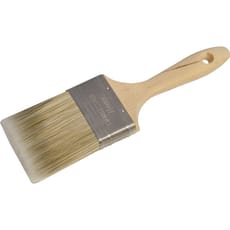
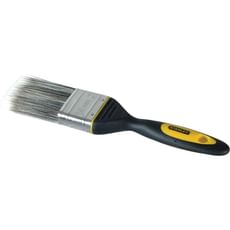
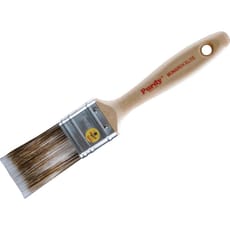
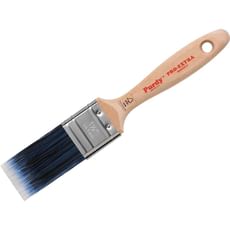
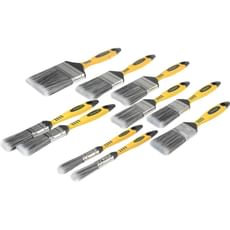
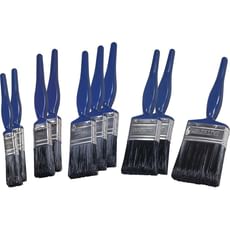
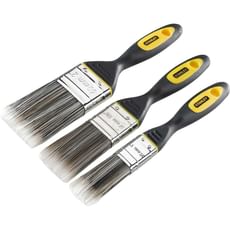
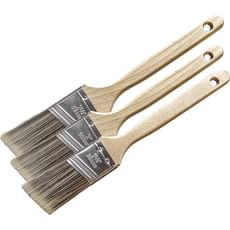
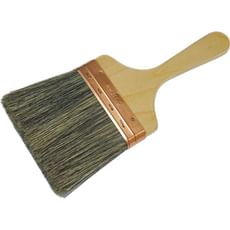
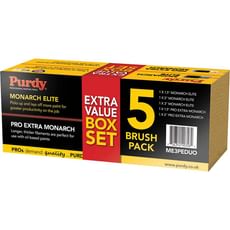
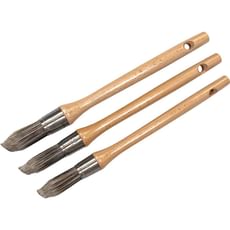
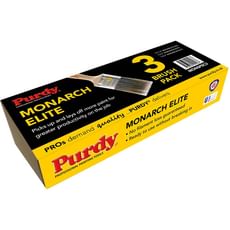
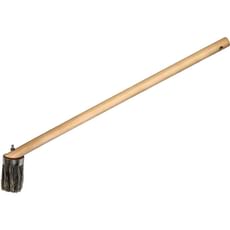
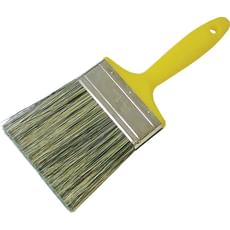
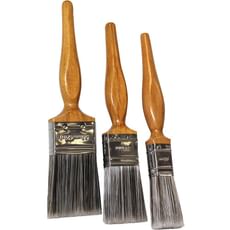
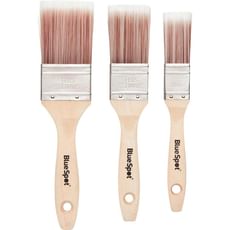
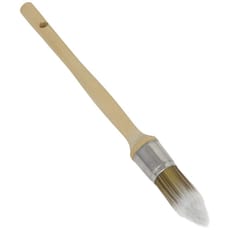
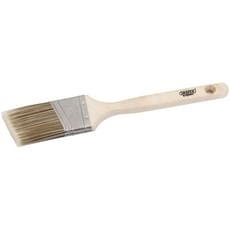
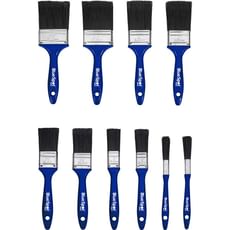
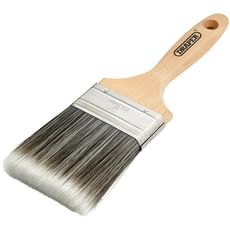
 Loading...
End of content
Error - No more pages to load
About Synthetic Paint Brushes
Synthetic paint brushes are essential tools for applying a wide range of modern paints and coatings, from water-based emulsions to solvent-based gloss and varnish. Unlike natural bristle brushes, synthetic brushes feature man-made filaments—typically polyester, nylon, or a blend of both—that maintain their shape and stiffness when used with water-based products. These brushes are engineered to provide excellent paint pickup, smooth application, and minimal bristle shedding, making them the preferred choice for most contemporary decorating projects.
The selection at Tooled-Up.com includes synthetic paint brushes in various sizes and configurations, from precision angled cutting-in brushes to wide masonry brushes for exterior work. Available in sets or as individual brushes, these tools cater to both professional decorators and DIY enthusiasts. Key brands stocked include Purdy, Faithfull, Draper, and Stanley, each offering brushes engineered for specific applications—whether you're painting window frames, cutting in along ceilings, or coating large wall areas.
Synthetic brushes excel with water-based paints, acrylics, and latex formulations because the filaments don't absorb water and lose their shape like natural bristles can. They're also suitable for oil-based paints and varnishes, providing versatility across multiple decorating tasks. From workshop utility brushes for applying chemicals and stains to specialist angled brushes for precision work, synthetic paint brushes deliver reliable performance across residential, commercial, and industrial painting projects.
Jargon Buster
- Synthetic Filament: Man-made bristles, typically polyester or nylon, designed to maintain stiffness and shape when exposed to water-based paints. These filaments don't absorb water, preventing the brush from becoming soft or losing its cutting edge during use.
- Ferrule: The metal band (often tin-coated or stainless steel) that secures the bristles to the handle. A quality ferrule prevents corrosion, maintains bristle alignment, and ensures the brush retains its shape throughout its working life.
- Flagged Tips: Split bristle ends that hold more paint and provide smoother application with reduced brush marks. Quality synthetic brushes feature engineered flagged tips that mimic the natural splitting found in animal hair bristles.
- Cutting In: The technique of painting precise lines along edges, corners, and trim work. Angled synthetic brushes are specifically designed for cutting-in work, allowing decorators to create clean boundaries without masking tape.
- Paint Pickup: The brush's ability to hold paint within its bristles for efficient transfer to the surface. Synthetic brushes with higher bristle density and proper flagging offer superior paint pickup, reducing the frequency of reloading.
- Chisel Edge: A brush profile where bristles are trimmed to create a flat, precise edge ideal for detailed work and achieving clean lines along architraves, skirting boards, and window frames.
Who Uses Synthetic Paint Brushes?
- Professional Painters and Decorators: Rely on quality synthetic brushes for efficient application across residential and commercial projects, from new builds to renovation work.
- Maintenance Teams: Facilities managers and maintenance personnel working in schools, hospitals, offices, and industrial premises use synthetic brushes for routine redecoration and touch-up work.
- Property Developers and Landlords: Require cost-effective brush sets for preparing rental properties and refurbishment projects where water-based paints are standard.
- Carpenters and Joiners: Use synthetic brushes for applying primers, stains, and protective coatings to woodwork, both in workshops and on-site installations.
- DIY Enthusiasts: Homeowners tackling decorating projects benefit from synthetic brushes when using modern water-based emulsions and satinwood paints throughout their properties.
- Furniture Restorers: Apply varnishes, stains, and specialist finishes using synthetic brushes that won't shed bristles or leave marks on delicate surfaces.
- Sign Writers and Artists: Utilise precision synthetic brushes for detailed work where consistent paint flow and sharp edges are essential.
How to Choose the Right Synthetic Paint Brushes
Paint Type Compatibility: Match your brush to your paint formulation. Synthetic brushes are ideal for water-based emulsions, acrylics, and latex paints, and equally suitable for oil-based gloss and satinwood. Check product specifications to ensure compatibility with solvent-based coatings if required.
Brush Size and Width: Select brush width based on the surface area you're covering. Narrow brushes (12mm-25mm) suit detailed work on window frames and beading, medium brushes (50mm-75mm) handle skirting boards and doors efficiently, whilst wide brushes (100mm+) excel on walls and large flat surfaces. Tooled-Up stocks individual brushes and comprehensive sets covering multiple sizes.
Handle Design: Consider ergonomics for prolonged use. Wooden handles offer traditional balance and feel, whilst soft-grip handles reduce fatigue during extended decorating sessions. Professional decorators often prefer wooden handles for their durability and easy cleaning.
Bristle Quality and Density: Higher bristle density improves paint pickup and provides smoother application with fewer brush marks. Quality synthetic brushes feature flagged tips and tapered filaments that mimic natural bristle performance whilst maintaining their shape in water-based products.
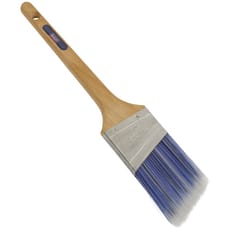
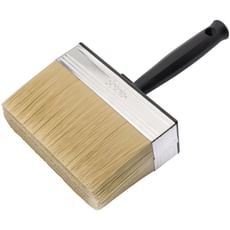
Specialist Configurations: Angled brushes provide superior control for cutting-in work along ceilings and trim. Long-reach brushes help access awkward areas behind radiators and in tight corners. Masonry brushes feature stiffer, more robust bristles for textured exterior surfaces.
Ferrule Construction: Tin-coated or stainless steel ferrules resist corrosion when repeatedly cleaned in water. A securely crimped ferrule prevents bristle loss and maintains brush integrity throughout multiple projects.
Brand Reputation: Established brands like Purdy, Faithfull, and Draper invest in bristle technology and quality control, ensuring consistent performance. Professional-grade brushes justify their cost through longevity and superior finish quality.
Popular Accessories
- Paint Kettles and Buckets: Essential for decanting paint and reducing contamination of main tins. Metal paint kettles with handles provide mobility around the work area.
- Brush Cleaners and Combs: Specialist cleaning solutions and combs remove dried paint from bristles, extending brush life and maintaining performance between uses.
- Roller Trays and Liners: Complement brushwork by providing efficient paint application on large wall areas, with disposable liners simplifying cleanup.
- Masking Tape and Decorators' Tape: Protect surfaces adjacent to painted areas and create crisp lines on multi-colour schemes.
- Dust Sheets and Protective Coverings: Safeguard floors, furniture, and fixtures from paint splashes during decorating projects.
- Paint Stirrers and Mixing Paddles: Ensure proper paint consistency before application, preventing settling and achieving uniform colour.
- White Spirit and Brush Cleaners: Necessary for cleaning brushes used with oil-based paints and maintaining tool condition.
- Storage Pouches and Tool Rolls: Protect brushes during transport and storage, preventing bristle damage and maintaining brush shape.
Frequently Asked Questions
Can I use synthetic paint brushes with oil-based paints and varnishes?
Yes, modern synthetic brushes work effectively with both water-based and oil-based products. Whilst synthetic brushes were originally designed for water-based paints, quality polyester and nylon filaments now perform excellently with gloss, satinwood, and varnish. However, natural bristle brushes may still be preferred by some professionals for specialist oil-based applications requiring particularly fine finishes.
How do I clean and maintain synthetic paint brushes?
For water-based paints, rinse brushes thoroughly under running water until the water runs clear, then reshape the bristles and hang to dry. For oil-based products, clean brushes with white spirit or appropriate solvent, then wash with warm soapy water. Use a brush comb to remove dried paint and maintain bristle alignment. Store brushes flat or hanging to preserve their shape—never rest them on their bristles.
What's the difference between angled and straight synthetic brushes?
Angled brushes feature bristles cut at an angle, creating a chisel edge that provides superior control for cutting-in work along ceilings, corners, and trim. This configuration allows decorators to create precise lines without masking tape. Straight brushes have bristles cut level and are better suited for general coverage on flat surfaces, doors, and larger areas where detailed edgework isn't required.
How long should a quality synthetic paint brush last?
With proper cleaning and storage, a professional-grade synthetic brush from brands like Purdy or Faithfull can last through dozens of projects spanning several years. Workshop-grade utility brushes may have shorter lifespans but remain cost-effective for less demanding applications. Brush longevity depends on paint types used, cleaning diligence, and storage conditions—brushes left to dry with paint residue or stored resting on bristles deteriorate rapidly.
Are brush sets better value than buying individual brushes?
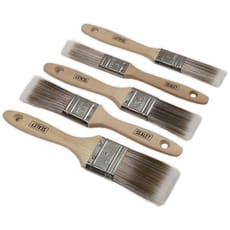
Multi-piece brush sets typically offer better value for money and ensure you have appropriate sizes for different tasks within a project. Sets from manufacturers like Faithfull and Draper often include the most commonly used sizes (25mm, 38mm, 50mm, and 75mm) at a lower combined price than purchasing individually. However, if you regularly work on specific applications, investing in individual professional-grade brushes for those tasks may provide better long-term performance and value.