

Syphon Pumps
Pay in 3 interest-free payments on purchases from £30-2000 with  . Learn more.
 Loading...
End of content
Error - No more pages to load
About Syphon Pumps
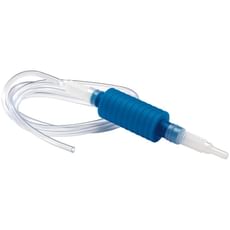
Syphon pumps are indispensable tools for safely and efficiently transferring liquids from one container to another without the risk of spillage or contamination. Whether you're working with petrol, diesel, heating oil, water, or other non-corrosive fluids, a reliable syphon pump makes light work of what would otherwise be an awkward and potentially hazardous task. The selection at Tooled-Up.com includes models from trusted manufacturers such as Sealey, Draper, and Faithfull, all designed to meet the demanding requirements of both professional tradespeople and dedicated DIY enthusiasts.
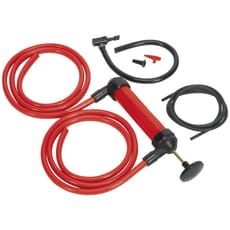
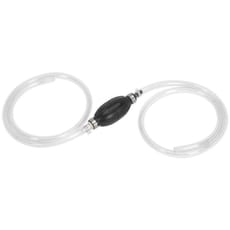
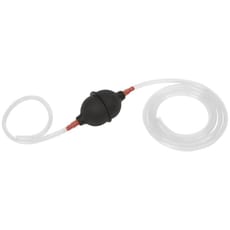
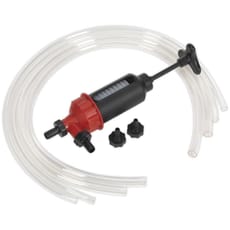
Available designs range from simple manual squeeze bulb pumps ideal for occasional use and emergency situations, through to heavy-duty piston-operated models built for regular workshop applications. Many kits include various nozzle attachments and hose lengths to accommodate different transfer scenarios, from draining vehicle fuel tanks during repairs to managing heating oil supplies or servicing garden machinery. Modern syphon pumps incorporate safety features such as anti-spill valves, chemical-resistant materials, and ergonomic primer mechanisms that eliminate the dangerous practice of mouth priming.
The fundamental advantage of using a purpose-built syphon pump over improvised methods is the combination of safety, control, and efficiency. These tools significantly reduce the risk of fuel spillage, minimise exposure to harmful fumes, and provide precise flow control for everything from delicate fluid sampling to rapid bulk transfers. With flow rates and hose configurations to suit virtually any application, syphon pumps remain essential equipment for automotive workshops, agricultural maintenance, marine engineering, and countless other trades where safe liquid transfer is a regular requirement.
Jargon Buster
- Syphon Action: The physical principle whereby liquid flows from a higher container to a lower one through a tube, driven by atmospheric pressure and gravity once the initial flow has been established through priming.
- Priming: The initial process of starting liquid flow through the pump system, typically achieved through squeezing a rubber bulb, operating a piston mechanism, or using a dedicated primer—never by mouth suction when handling fuels.
- Piston Pump: A manual pump design using a plunger mechanism to create suction and draw liquid through the hose, offering superior control and requiring less repeated effort than simple squeeze bulb models for larger volume transfers.
- Anti-Siphon Valve: A built-in safety feature that prevents liquid from flowing backwards once pumping has stopped, avoiding spillage and maintaining precise control during the transfer process.
- Flow Rate: The volume of liquid transferred per unit of time, typically measured in litres per minute (LPM), which varies depending on pump design, hose diameter, and the viscosity of the liquid being transferred.
- Chemical Compatibility: The suitability of pump construction materials (commonly PVC, rubber, polyethylene, or reinforced composites) for safe use with specific liquids without risk of material degradation, contamination, or chemical reaction.
Who Uses Syphon Pumps?
- Vehicle Mechanics and MOT Technicians: Draining fuel tanks during repairs, transferring fluids between vehicles, and conducting routine maintenance procedures in automotive workshops
- Agricultural Workers and Farm Managers: Managing diesel supplies for tractors and farm machinery, transferring heating oil, and maintaining equipment fuel systems across large rural properties
- Marine Engineers and Boat Owners: Transferring marine diesel, managing onboard fuel supplies, draining bilges, and conducting vessel maintenance in marinas and boatyards
- Heating Engineers and Boiler Technicians: Working with domestic and commercial heating oil systems, servicing oil tanks, and conducting boiler maintenance operations
- Groundskeepers and Landscape Gardeners: Draining fuel from lawnmowers, strimmers, hedge trimmers, and other petrol-powered equipment for winter storage or servicing
- Plant Operators and Site Supervisors: Managing fuel supplies for generators, compressors, construction plant equipment, and ensuring continuous operation on building sites
- Vehicle Recovery and Breakdown Services: Emergency fuel transfers from stranded or damaged vehicles, roadside assistance operations, and salvage work
- DIY Enthusiasts and Homeowners: General household fluid transfer tasks, aquarium maintenance, vehicle upkeep, and seasonal garden equipment servicing
How to Choose the Right Syphon Pumps
Liquid Type and Chemical Compatibility: Begin by identifying what liquids you'll be transferring. Fuel-specific syphon pumps feature chemical-resistant materials designed for petrol and diesel, whilst general-purpose models suit water, light oils, and non-corrosive fluids. Never use a pump with incompatible substances as this risks material degradation, cross-contamination, and potential failure during operation. Check manufacturer specifications for approved liquid types.
Pump Mechanism and Operation: Manual squeeze bulb pumps offer simplicity and portability for occasional use and emergency situations, making them ideal for keeping in vehicles or occasional workshop tasks. Piston-operated pumps provide greater control, higher flow rates, and reduced physical effort for regular applications, making them better suited to professional workshop environments where frequent fluid transfers are routine.
Hose Length and Configuration: Ensure the hose length suits your typical applications—most general-purpose pumps feature hoses between 1.8 and 2.5 metres. Longer hoses (up to 3 metres or more) provide versatility for reaching deep tanks or transferring between containers at distance, but may slightly reduce flow rate and make priming more challenging. Consider hose diameter as well; larger bores increase flow rate for rapid transfers.
Flow Rate Requirements: If you regularly transfer large volumes, prioritise pumps with higher flow rates measured in litres per minute. Emergency roadside kits typically emphasise compact portability over maximum speed, whilst professional workshop pumps focus on efficiency and durability for daily use. Match the pump capacity to your workload to avoid unnecessary physical effort.
Safety Features and Build Quality: Look for anti-spill valves, secure hose connections, reinforced kink-resistant tubing, and clear inlet/outlet markings. Quality pumps from brands like Sealey, Draper, and Faithfull include primer bulbs that prevent any risk of mouth contact with fuel—an essential safety consideration. Robust construction ensures longevity, particularly important for trade applications.
Storage and Portability Needs: Emergency transfer kits benefit from compact storage cases that fit neatly in vehicle boots or toolboxes. Workshop-based pumps may include hanging hooks or wall-mount options for organised storage. Consider where you'll keep the pump and whether portability matters for mobile work, site visits, or multi-location operations.
Popular Accessories
- Replacement Hoses and Tubing: Spare hoses in various lengths and diameters for different applications and to replace worn or damaged components over time
- Fuel Transfer Containers: Approved jerry cans and UN-certified fuel storage containers for safe, legal liquid storage and transportation
- Filter Funnels: Essential for removing debris and contaminants when transferring fluids into clean tanks or delicate equipment fuel systems
- Drip Trays and Spill Kits: For catching drips during transfer operations and managing accidental spillages in compliance with HSE and environmental regulations
- Nozzle Attachments and Adaptors: Various nozzle types and sizes for different container openings, tank filler necks, and controlled pouring applications
- Absorbent Pads and Granules: For cleaning up minor spills quickly and maintaining a safe, compliant working environment
- Personal Protective Equipment: Chemical-resistant gloves, safety glasses, and protective aprons when handling fuels, oils, and other potentially hazardous liquids
- Static Grounding Equipment: Anti-static straps and grounding cables for high-volume fuel transfer operations to prevent dangerous static discharge
Safety Information
Working with syphon pumps, particularly when transferring flammable liquids such as petrol and diesel, demands strict adherence to safety protocols and HSE guidelines. Always operate in well-ventilated areas to prevent the accumulation of dangerous fumes—never use fuel pumps in enclosed spaces, garages with closed doors, or poorly ventilated workshops. Petrol vapours are heavier than air and highly flammable, accumulating at ground level where they present a significant explosion risk.
Never attempt to prime any syphon pump by mouth suction, as this risks ingesting toxic and potentially fatal liquids. Modern pumps available from Tooled-Up.com include dedicated primer bulbs or piston mechanisms specifically designed to eliminate this hazard entirely. Keep all ignition sources including cigarettes, naked flames, hot work equipment, and spark-producing tools well away from fuel transfer operations—maintain a minimum safe distance of several metres.
Wear appropriate personal protective equipment including chemical-resistant gloves and safety glasses to prevent skin contact and eye splashes with hazardous liquids. Have absorbent materials and spill kits readily available before commencing any transfer operation. Always transfer liquids into approved, correctly labelled containers designed for the specific substance—never use makeshift vessels, drinks bottles, or unmarked containers for fuel storage.
Be aware of COSHH (Control of Substances Hazardous to Health) regulations when handling oils, fuels, and chemicals in workplace settings. Employers must provide appropriate risk assessments, training, and equipment for any staff conducting fluid transfer operations. Dispose of contaminated materials, used absorbents, and waste liquids according to local environmental regulations—never pour waste liquids down drains, into watercourses, or onto the ground.
Store syphon pumps clean and dry, away from direct sunlight and extreme temperatures which can degrade plastic and rubber components over time. After each use, particularly with fuels, allow the pump to drain completely and store in a well-ventilated area. Regularly inspect hoses, seals, and connections for signs of wear, cracking, or degradation, replacing components as necessary to maintain safe operation.
Frequently Asked Questions
Can I use the same syphon pump for both petrol and water?
It's strongly advised against using the same pump for different liquid types, especially mixing fuel and non-fuel applications. Petrol and diesel leave hydrocarbon residues that will contaminate water or other liquids, and fuel-specific pumps use materials specifically optimised for chemical resistance to petroleum products. For versatility across different applications, consider maintaining separate dedicated pumps for fuels and for water/non-hazardous liquids, or invest in a multi-purpose kit with separate hoses clearly labelled for different uses.
How do I prime a syphon pump safely without sucking on the hose?
Modern syphon pumps eliminate the dangerous practice of mouth priming through built-in mechanical priming mechanisms. Squeeze-bulb models require repeated compression of the rubber primer bulb to draw liquid into the hose and establish flow—typically 5-10 squeezes depending on hose length. Piston pumps use a plunger action where several full strokes create the necessary suction. Once liquid begins flowing and the outlet end remains physically lower than the source liquid level, gravity and atmospheric pressure maintain the syphon action automatically without further pumping.
What's the maximum distance a syphon pump can transfer liquids?
Horizontal distance is theoretically unlimited once syphon action is established, but practical considerations like hose friction and liquid viscosity limit effective range. The critical limitation is vertical lift—syphon pumps cannot lift liquid upwards from source to destination as they rely on gravity and atmospheric pressure. The destination container must always be positioned lower than the source liquid level. For pumping upwards or over obstacles, an electric transfer pump or rotary barrel pump would be required instead of a gravity-fed syphon pump.
Can syphon pumps handle thick oils and viscous fluids?
Standard syphon pumps work most effectively with low-viscosity liquids such as petrol, diesel, water, paraffin, and light machine oils. Thicker substances like gear oil, hydraulic fluid, or heavy engine oil flow much more slowly and prove difficult to prime effectively. Heavy-duty piston pumps cope better with moderately viscous liquids than simple squeeze-bulb types due to their superior suction power. For very thick substances, specialist equipment such as dedicated barrel pumps or rotary hand pumps designed specifically for high-viscosity applications would be more appropriate and efficient.
How long do syphon pumps typically last with regular use?
The lifespan of a syphon pump depends heavily on usage frequency, the liquids being transferred, and maintenance standards. Quality pumps from established brands like Sealey, Draper, and Faithfull can provide many years of reliable service when properly cared for. The most common wear items are rubber seals, primer bulbs, and hoses, which may perish over time particularly with petroleum exposure. Regular cleaning after use, proper storage away from UV light and temperature extremes, and prompt replacement of worn components significantly extends pump life. Professional-grade piston pumps used correctly often outlast cheaper squeeze-bulb models in demanding workshop environments.