

Tack Lifters

Pay in 3 interest-free payments on purchases from £20-£3000 with  . Learn more.
 Loading...
End of content
Error - No more pages to load
About Tack Lifters
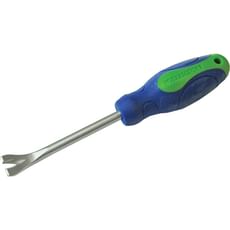
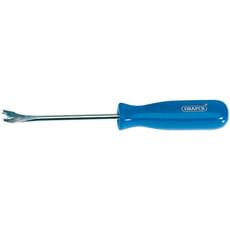
Tack lifters are essential hand tools designed specifically for removing upholstery tacks, staples, nails and pins from furniture, flooring and other surfaces without causing damage to the underlying material. These specialised tools feature a curved, polished steel blade with a bevelled claw end that slides easily beneath fasteners, combined with a leverage design that makes extraction quick and efficient. The curved end provides excellent mechanical advantage, allowing users to rock the tool backwards to lift even stubborn tacks and staples with minimal effort.
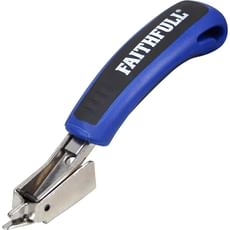
Tooled-Up.com stocks tack lifters from trusted manufacturers including Faithfull and Draper, offering both standard tack lifters and heavy-duty staple pullers for more demanding applications. These tools are invaluable for upholstery work, carpet removal, furniture restoration and picture framing. Most models feature comfortable plastic or rubberised handles that reduce hand fatigue during extended use, whilst the bright polished steel blades resist corrosion and slide smoothly beneath fasteners without snagging delicate fabrics or gouging wood surfaces.
Whether you're stripping old upholstery, removing carpet tacks from floorboards, or carefully extracting staples from antique furniture, a quality tack lifter makes the job considerably easier and helps preserve the integrity of your workpiece. The combination of leverage, precision and controlled force makes these tools far superior to improvised alternatives like screwdrivers or pliers, which often damage surrounding materials.
Jargon Buster
- Tack Lifter: A hand tool with a flat, curved blade and claw end specifically designed for removing upholstery tacks and small nails without damaging the surrounding material or surface.
- Staple Puller: A specialised variation of the tack lifter with a thin probe or blade designed to slide beneath fine wire staples, particularly useful for removing fasteners from delicate fabrics and picture frames.
- Leverage End: The curved portion of the tool that acts as a fulcrum point, allowing the user to rock the handle backwards to multiply the lifting force applied to the fastener.
- Claw Blade: The flat, bevelled end of the tool that slides beneath tacks and staples, featuring a notch or claw to grip the fastener during removal.
- Bright Polished Steel: A corrosion-resistant finish applied to the blade that provides a smooth surface for easier insertion beneath fasteners and reduces friction against materials.
Who Uses Tack Lifters?
- Upholsterers: Professional and hobbyist upholsterers use tack lifters daily for stripping old fabric and removing existing fasteners before re-upholstering furniture.
- Furniture Restorers: Antique dealers and restoration specialists require tack lifters to carefully remove original fasteners without damaging valuable pieces.
- Carpet Fitters: Flooring professionals use these tools to remove gripper rods, carpet tacks and staples when lifting old carpets.
- Picture Framers: Framing specialists need staple pullers to remove fine wire staples from frames and backing boards without tearing delicate materials.
- DIY Enthusiasts: Home improvers tackling furniture renovation projects or carpet removal benefit from the precision and ease of use these tools provide.
- Property Maintenance Workers: Those preparing rental properties or refurbishing spaces frequently need to remove old fixtures and fittings.
- Set Designers and Props Makers: Theatre and film industry professionals use tack lifters for temporary upholstery work and set construction.
How to Choose the Right Tack Lifters
Blade Type and Design: Consider whether you need a standard tack lifter with a broader claw for larger tacks and nails, or a heavy-duty staple puller with a thinner probe for fine wire staples. The blade thickness affects how easily it slides beneath fasteners and into tight spaces.
Handle Comfort: Look for tools with ergonomically designed plastic or rubberised handles, particularly if you'll be using the tool for extended periods. A comfortable grip reduces hand fatigue and provides better control during delicate work.
Build Quality: The selection at Tooled-Up features tack lifters manufactured from good quality polished steel that resists bending and corrosion. Check that the blade is securely attached to the handle and shows no signs of looseness or poor construction.
Blade Length: Standard tack lifters typically measure around 195mm overall, providing sufficient leverage for most applications. Longer tools offer more mechanical advantage for stubborn fasteners, whilst shorter versions provide greater precision in confined areas.
Application Requirements: Match the tool to your specific needs – furniture restoration work requires precision and a thin blade to avoid marking wood, whilst carpet removal demands a more robust tool that can withstand repeated heavy use on potentially rusty tacks.
Brand Reputation: Established manufacturers like Faithfull and Draper have proven track records for producing reliable hand tools that stand up to professional use, making them worthwhile investments for tradespeople and serious DIY users alike.
Popular Accessories
- Upholstery Hammers: Magnetic tack hammers for driving tacks and pins when re-upholstering after removal work is complete.
- Pincers and Pliers: Useful for gripping and removing fasteners that prove too stubborn for tack lifters alone.
- Scrapers and Stripping Knives: For removing old adhesive residue and preparing surfaces after tack removal.
- Upholstery Tacks and Staples: Replacement fasteners in various sizes for re-securing fabrics and materials.
- Protective Gloves: Work gloves to protect hands from sharp fasteners and splinters during removal work.
- Magnetic Trays: For collecting removed tacks and staples safely, preventing them from becoming floor hazards.
- Kneeling Pads: Comfortable knee protection for extended floor-level work during carpet and flooring removal.
Safety Information
Personal Protection: Always wear appropriate gloves when using tack lifters, as removed fasteners often have sharp points and edges. Safety glasses are recommended when working overhead or when tacks may spring free unexpectedly during removal.
Proper Technique: Apply steady, controlled pressure when using tack lifters rather than jerking or forcing the tool, which can cause the blade to slip and potentially cause injury. Position your free hand well away from the direction of force to avoid pinching or stabbing injuries.
Fastener Disposal: Collect removed tacks, staples and nails immediately in a metal container or magnetic tray. Loose fasteners left on work surfaces or floors present puncture hazards for hands and feet.
Tool Inspection: Regularly check that the blade remains securely attached to the handle and shows no signs of cracking, bending or metal fatigue. A damaged tack lifter can slip unexpectedly during use.
Work Area Safety: Ensure adequate lighting when performing detailed fastener removal work, and maintain a clean, organised workspace to reduce the risk of stepping on or kneeling on sharp removed fasteners.
Frequently Asked Questions
What's the difference between a tack lifter and a staple puller?
Whilst both tools serve similar purposes, tack lifters typically have broader, sturdier blades designed for larger upholstery tacks and nails, whilst staple pullers feature thinner probes specifically designed to slide beneath fine wire staples without damaging delicate materials like fabric or picture frame backing. Heavy-duty staple pullers are ideal for upholstery and flooring applications where staples are commonly used.
Can I use a tack lifter to remove carpet grippers?
Tack lifters can remove individual tacks from wooden gripper strips, but they're not designed for removing entire gripper sections from floors. For that job, a pry bar or bolster chisel is more appropriate. However, tack lifters excel at removing individual carpet tacks from floorboards and skirting boards during carpet removal.
How do I prevent damage to antique furniture when removing tacks?
Use a thin-bladed tack lifter or staple puller, and work slowly with gentle, controlled movements. Place a thin piece of card or plastic beneath the tool's leverage point to protect the wood surface from marks. Work from the centre of each fastener rather than at an angle, and avoid forcing stubborn tacks which might splinter surrounding wood.
Are tack lifters suitable for removing rusty or corroded fasteners?
Quality tack lifters from brands like Faithfull and Draper can handle moderately corroded fasteners, though heavily rusted tacks may require additional penetrating oil and more force. In cases of severe corrosion, pincers or pliers may be needed in conjunction with the tack lifter to grip and twist stubborn fasteners free.
Do I need different sized tack lifters for different jobs?
Most users find a standard 195mm tack lifter handles the majority of upholstery, furniture and flooring applications effectively. However, having both a standard tack lifter and a specialised staple puller provides maximum versatility for different fastener types and working situations, particularly if you regularly work with both furniture and picture framing projects.