

Tap Reseaters

Pay in 3 interest-free payments on purchases from £20-£3000 with  . Learn more.
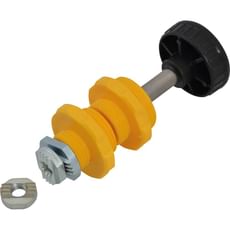
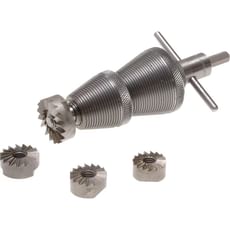
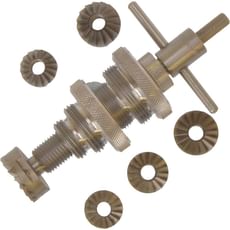
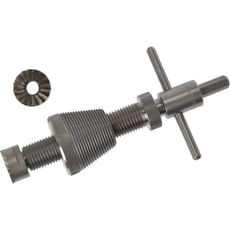
 Loading...
End of content
Error - No more pages to load
About Tap Reseaters
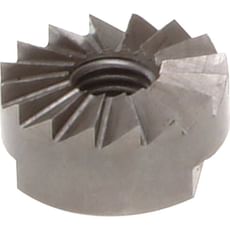
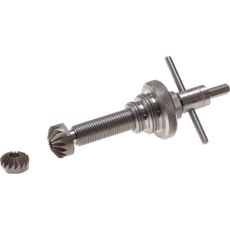
Tap reseaters are specialist plumbing tools designed to restore worn or damaged tap seats without the need to replace the entire tap body. When a tap continues to drip even after fitting a new washer, the problem usually lies with the seat – the flat circular surface inside the tap body against which the washer presses to create a watertight seal. Over time, these seats can become pitted, corroded or scored, preventing proper sealing. A tap reseating tool features precision cutting heads that grind the damaged surface back to a flat, smooth finish, allowing the washer to form a proper seal once again.
Tooled-Up.com stocks tap reseating tools suitable for most UK tap configurations, including those manufactured to BS1010 (18tpi threads) and BS5412 (BSP threads) standards. These tools typically include multiple cutter sizes to accommodate the most common 12mm (1/2") and 19mm (3/4") tap dimensions found in domestic and commercial properties. The range includes both professional-grade kits with multiple cutters and guides, as well as simpler DIY models for occasional use.
Quality tap reseating tools feature hardened steel cutters that can tackle even heavily corroded brass seats, extending the serviceable life of taps by many years. Professional kits often include multiple threaded guides to ensure proper alignment during the cutting process, preventing damage to the tap body threads. This makes tap reseating a cost-effective alternative to tap replacement, particularly valuable when dealing with unusual tap sizes or when preserving period fixtures in heritage properties.
Jargon Buster
- Tap Seat: The flat, circular seating surface inside a tap body against which the washer presses to stop water flow. This brass surface can become worn, pitted or scored over time, causing persistent dripping.
- Reseating Cutter: A hardened steel cutting head that grinds away damaged material from the tap seat to create a fresh, flat sealing surface. Available in various diameters to suit different tap sizes.
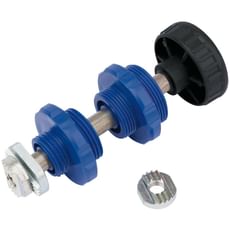
- Threaded Guide: A plastic or metal component that screws into the tap body to centre and stabilise the reseating tool during operation, ensuring the cutter remains perpendicular to the seat surface.
- BS1010 / BS5412: British Standards specifications for tap threads. BS1010 uses 18 threads per inch (tpi) whilst BS5412 uses BSP (British Standard Pipe) threads. Most UK taps conform to one of these standards.
- Stiffnuts: Specialised nuts used to secure the cutter assembly to the guide shaft. These provide precise pressure control during the reseating operation.
- Jumper Valve: The moving component in a traditional tap that carries the washer. When reseating, this must be removed to access the seat itself.
Who Uses Tap Reseaters?
- Plumbers and heating engineers – for routine tap maintenance and repair work
- Property maintenance contractors – servicing residential and commercial buildings
- Facilities managers – maintaining taps in schools, hospitals and public buildings
- Landlords and letting agents – carrying out cost-effective tap repairs between tenancies
- Heritage building specialists – preserving original period taps in listed properties
- Plumbing and bathroom fitters – offering tap repair as an alternative to replacement
- Competent DIY enthusiasts – tackling persistent tap dripping issues at home
- Maintenance teams in hotels and hospitality – keeping sanitary ware operational
How to Choose the Right Tap Reseaters
When selecting a tap reseating tool, first consider the frequency of use. Professional plumbers requiring daily use should invest in comprehensive kits from established manufacturers like Monument, which include multiple cutter sizes and durable guides. These professional sets typically feature three or more cutters covering 17mm, 19mm and 25mm diameters to handle virtually any tap seat encountered on UK installations.
Check that the tool includes guides compatible with both BS1010 (18tpi) and BS5412 (BSP) thread standards, as you'll encounter both types in the field. Quality guides should be clearly marked and manufactured from durable materials that won't strip or cross-thread when screwed into tap bodies. The cutters themselves must be manufactured from hardened steel capable of cutting through corroded brass without losing their edge.
For occasional domestic use, simpler single-cutter tools may suffice, though they offer less versatility. Consider whether you need a flat cutter for standard taps or specialised cutters for specific tap configurations. The selection at Tooled-Up includes both comprehensive professional kits and more economical options for light-duty applications. Ensure any tool you select includes clear instructions, as proper technique is essential to avoid damaging tap threads or creating an uneven seat surface.
Popular Accessories
- Replacement tap washers – essential to fit after reseating to complete the repair
- Tap reseating cutter replacements – spare cutters for worn or damaged heads
- Adjustable spanners and tap spanners – for removing tap headgear and securing components
- PTFE tape – for resealing threaded connections after reassembly
- Wire wool or emery cloth – for cleaning tap components before reassembly
- Penetrating oil – to free seized tap mechanisms before disassembly
- Basin and tap wrenches – for accessing taps in confined spaces
- Valve seat grease – to protect newly reseated surfaces and ease washer operation
Safety Information
Always isolate the water supply before commencing any tap repair work. Drain down the system sufficiently to prevent water spillage when removing tap headgear. Wear safety glasses when operating reseating tools, as metal particles can be produced during the cutting process. Ensure adequate lighting and work in a comfortable position to maintain proper control of the tool throughout the operation.
Take care not to over-cut the tap seat, as removing excessive material can weaken the tap body or create an uneven surface. Apply steady, controlled pressure whilst turning the cutter – forcing the tool can damage both the cutter and the tap. Keep fingers clear of rotating cutters and sharp edges. When working with older taps, be aware that lead-based materials may have been used in some vintage installations, particularly in properties built before the 1970s.
Frequently Asked Questions
Q: Why does my tap still drip after fitting a new washer?
A: The tap seat has likely become worn, pitted or corroded, preventing the new washer from forming a watertight seal. Reseating the tap will restore a flat, smooth surface for the washer to seal against, eliminating the drip.
Q: Can I reseat ceramic disc taps?
A: No, tap reseating tools are designed for traditional washer-type taps only. Ceramic disc taps use an entirely different mechanism and require replacement cartridges rather than reseating when they develop leaks.
Q: How do I know which size cutter to use?
A: This depends on your tap size. Most domestic taps are either 12mm (1/2") or 19mm (3/4"). The 12mm size typically requires 17mm or 19mm diameter cutters, whilst 19mm taps usually need 25mm cutters. Check the product specifications or measure your tap body if unsure.
Q: Will reseating damage my taps?
A: When used correctly with proper technique, reseating tools are safe and will extend tap life considerably. The key is using the correct guide to maintain alignment and avoiding excessive cutting pressure or over-cutting the seat.
Q: How often can I reseat the same tap?
A: A tap can typically be reseated multiple times throughout its life, provided sufficient material remains in the tap body. Each reseating removes only a small amount of brass to create a fresh sealing surface. Quality brass taps in good condition can be reseated several times before replacement becomes necessary.