

Taping Knives
Pay in 3 interest-free payments on purchases from £30-2000 with  . Learn more.
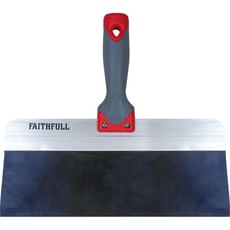
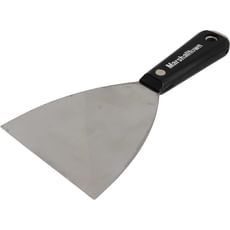
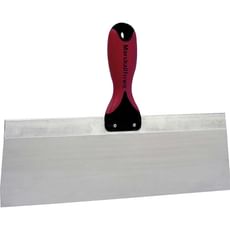
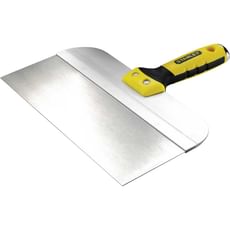
 Loading...
End of content
Error - No more pages to load
About Taping Knives
Taping knives are essential hand tools for anyone working with plasterboard and drywall, designed specifically for applying joint compound, smoothing tape, and finishing joints between plasterboard sheets. These specialised knives feature wide, flat, flexible blades that allow tradespeople to create smooth, professional finishes when installing and finishing drywall systems. The blade flexibility is crucial – it must be rigid enough to apply compound evenly yet flexible enough to feather edges seamlessly into the surrounding surface.
Tooled-Up.com stocks taping knives in various blade widths ranging from compact 100mm versions for tight spaces through to wide 300mm finishing knives for covering large areas quickly. The range includes options from trusted brands including Marshalltown, DeWalt, RST, Faithfull, Stanley and Spear and Jackson. Blade materials vary from carbon steel through to premium stainless steel options that resist corrosion and are easier to clean, whilst handle designs range from traditional wooden grips to modern ergonomic soft-grip handles that reduce fatigue during extended use.
Quality taping knives represent a worthwhile investment for both professional plasterers and serious DIY enthusiasts. The difference between a budget knife and a professional-grade tool becomes immediately apparent in use – premium knives maintain their flex characteristics longer, resist warping, and deliver consistently smooth results. Many professional models also incorporate additional features such as hammer ends for resetting proud drywall nails and hanging holes for convenient storage on site.
Jargon Buster
- Hollow Ground Blade: A blade manufacturing technique where the steel is ground to create a slightly concave profile, resulting in optimal flexibility and the ability to feather compound edges smoothly without leaving ridges.
- Blue Steel: A heat-treated carbon steel that develops a distinctive blue-grey colour during the tempering process, offering excellent flexibility and durability whilst being more affordable than stainless steel alternatives.
- Joint Compound: Also known as jointing compound or drywall mud, this paste-like material is applied over taped joints and screw heads to create smooth, invisible seams between plasterboard sheets.
- Feathering: The technique of blending the edges of applied joint compound into the surrounding surface to create an imperceptible transition, requiring a flexible blade and the right touch.
- Taping Knife vs Filling Knife: Whilst the terms are often used interchangeably, taping knives typically have more flexible blades suited to finishing work, whilst filling knives may be slightly stiffer for applying thicker compounds.
- Blade Width: Measured in millimetres or inches, this determines the coverage area – narrower blades (100-150mm) suit corners and first coats, whilst wider blades (200-300mm) are used for final finishing passes.
Who Uses Taping Knives?
- Plasterers and Drywall Specialists: Professional tradespeople who install and finish plasterboard systems daily, requiring multiple knife widths for different stages of the finishing process.
- General Builders: Construction professionals who need reliable taping knives for finishing drywall installations as part of broader building and renovation projects.
- Shopfitters and Interior Specialists: Tradespeople creating retail and commercial interiors where plasterboard partitioning and finishing is standard practice.
- Maintenance Teams: Property maintenance professionals and facilities managers who repair damaged plasterboard and patch holes as part of ongoing building upkeep.
- DIY Enthusiasts: Homeowners tackling room conversions, loft conversions, or general home improvements involving plasterboard installation and finishing.
- Decorators: Painting and decorating professionals who frequently repair and prepare plasterboard surfaces before applying decorative finishes.
How to Choose the Right Taping Knives
Blade Material: Stainless steel blades available at Tooled-Up resist corrosion, clean easily, and maintain their flexibility longer than carbon steel alternatives. Blue steel options offer excellent performance at lower price points but require more maintenance to prevent rust, particularly in damp conditions.
Blade Width Selection: Most professionals require multiple widths. Start with a 150mm knife for applying tape and first coats, a 200mm for second coats, and a 250-300mm for final finishing passes. Narrower 100-125mm knives prove invaluable for tight corners and repair work.
Handle Design: Ergonomic soft-grip handles significantly reduce hand fatigue during extended use, making them preferable for professional applications. Ensure the handle feels comfortable in your grip and that the tang extends fully through the handle for strength. Some models feature hammer ends – useful for resetting proud drywall fixings without switching tools.
Blade Flexibility: Premium hollow-ground blades offer superior flex characteristics, essential for feathering edges smoothly. Test the blade flex before purchasing if possible – it should bend smoothly without feeling flimsy or overly stiff.
Brand Reputation: Established brands like Marshalltown, DeWalt and Stanley have proven track records for manufacturing taping knives that maintain their performance characteristics through professional use. Reading product specifications and user reviews helps identify which models suit your specific requirements.
Budget Considerations: Whilst budget options exist, taping knives are lifetime tools when properly maintained. Investing in quality knives from the Tooled-Up range pays dividends through superior results and longevity, particularly for professional users.
Popular Accessories
- Joint Compound: Available in ready-mixed and powder forms, essential for all taping and finishing operations.
- Paper Joint Tape: Reinforcement tape applied between plasterboard sheets before compound application, providing strength to joints.
- Scrim Tape: Self-adhesive fibreglass mesh tape offering an alternative to traditional paper tape for certain applications.
- Hawk or Mud Pan: Platforms for holding joint compound whilst working, keeping material within easy reach.
- Corner Tools: Specialised applicators for finishing internal and external corners efficiently.
- Sanding Tools: Pole sanders and hand sanders for smoothing dried compound between coats.
- Cleaning Supplies: Buckets, sponges and scrapers for maintaining tools and removing excess compound.
- Tool Storage: Protective cases or wall-mounted storage to keep knife blades straight and protected between uses.
Safety Information
Whilst taping knives lack sharp cutting edges, sensible precautions ensure safe operation. Always inspect blades before use for damage, particularly bent or cracked sections that could fail during application. When cleaning dried compound from blades, wear safety glasses to protect against falling debris. Store knives with blade edges protected to prevent accidental contact and maintain blade straightness.
Joint compounds may cause skin irritation with prolonged contact – consider wearing protective gloves, particularly if you have sensitive skin. Ensure adequate ventilation when working with joint compounds in enclosed spaces. When using models with hammer ends, take care to strike drywall fixings squarely to avoid glancing blows that could cause hand injuries. Keep work areas tidy to prevent slipping on dropped compound, and always clean tools thoroughly after use to maintain optimal performance and hygiene.
Frequently Asked Questions
What's the difference between stainless steel and blue steel taping knives?
Stainless steel knives resist corrosion, require less maintenance, and clean more easily, making them ideal for professional use. Blue steel (heat-treated carbon steel) offers excellent flexibility at lower cost but requires thorough cleaning and drying after each use to prevent rust. Both materials perform well when properly maintained, with choice often depending on budget and working conditions.
How many taping knives do I need?
Professional plasterers typically use three or four different widths: a narrow 100-150mm for first coats and tight areas, a medium 200mm for second coats, and wide 250-300mm knives for final finishing. DIY users tackling occasional projects can often manage with two knives – a 150mm and a 250mm covering most requirements adequately.
How do I clean and maintain my taping knives?
Clean knives immediately after use by scraping off excess compound, then washing in warm water with a sponge. Dry thoroughly, particularly carbon steel blades, to prevent rust. Never leave knives soaking in water. Store hanging or lying flat to maintain blade straightness – never store knives standing on their edges. Occasionally apply a light oil coating to carbon steel blades for long-term storage.
Can I use filling knives instead of proper taping knives?
Whilst similar in appearance, taping knives feature more flexible blades specifically designed for feathering joint compound smoothly. Filling knives tend to be stiffer, suited to filling holes and cracks but less effective for finishing large drywall joints. Using the correct tool produces significantly better results, particularly for visible surfaces requiring professional finishes.
Why does blade flexibility matter?
Blade flexibility allows you to apply consistent pressure whilst feathering compound edges into surrounding surfaces without leaving ridges or lines. Overly stiff blades create visible transitions, whilst excessively flexible blades lack control. Quality taping knives achieve the optimal balance, with hollow-ground blades offering superior flex characteristics that experienced tradespeople prefer for achieving smooth, professional finishes.