

Taps
Pay in 3 interest-free payments on purchases from £30-2000 with  . Learn more.
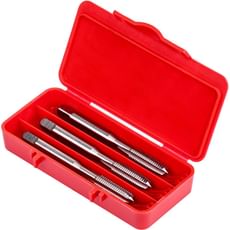
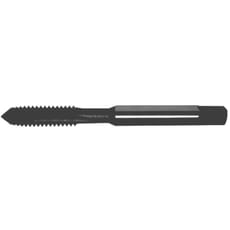
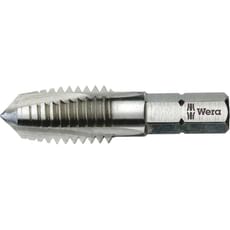
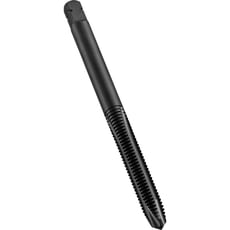
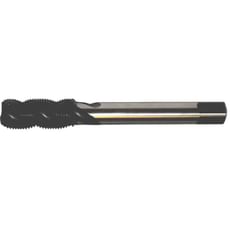
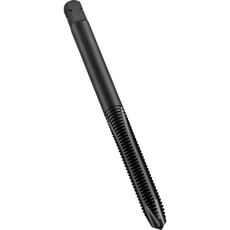
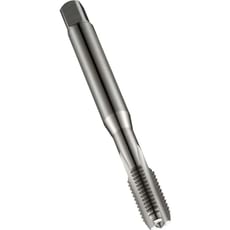
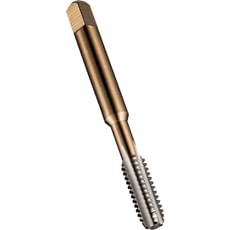
 Loading...
End of content
Error - No more pages to load
About Taps
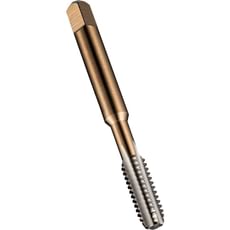
Threading taps are precision cutting tools designed to create internal screw threads in pre-drilled holes, essential for countless engineering, manufacturing and fabrication tasks. Whether working with steel, aluminium, plastics or other materials, the right tap ensures clean, accurate threads that provide reliable fastening points for bolts, screws and threaded assemblies. From basic hand tapping operations in the workshop to high-speed production environments, these tools remain fundamental to metalworking and construction trades.
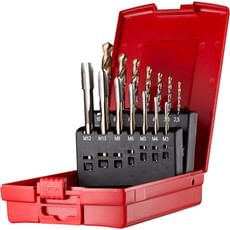
The tap selection at Tooled-Up.com encompasses everything from individual taps in various thread sizes to comprehensive tap and drill sets. High-Speed Steel (HSS) taps suit general-purpose applications, whilst HSS-E (High-Speed Steel with cobalt) variants offer enhanced hardness and heat resistance for demanding materials like stainless steel. Thread types include metric coarse (the most common standard in the UK), metric fine for precision applications, and specialised profiles for specific industries. Premium offerings include spiral flute taps for blind holes, spiral point taps for through holes, and straight flute designs for particular material types.
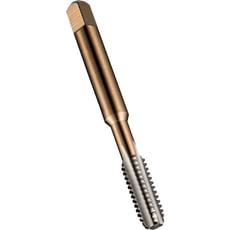
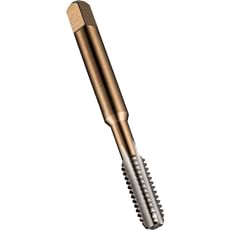
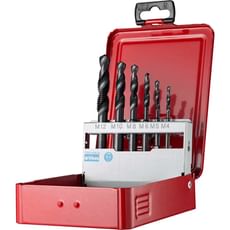
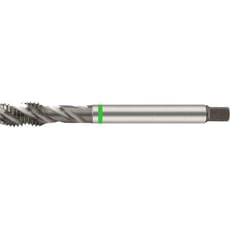
Professional-grade taps from manufacturers like Dormer feature advanced coatings and geometries that significantly extend tool life and improve thread quality. The Shark series, for instance, incorporates powder metallurgy construction and colour-coded rings to identify specific performance characteristics. For tradespeople requiring complete solutions, sets from BlueSpot and DeWalt combine matched taps with the correct pilot drill sizes, eliminating guesswork and ensuring proper thread depth and engagement.
Jargon Buster
- HSS-E (High-Speed Steel - Cobalt): An upgraded steel alloy containing 5-8% cobalt, offering superior hardness and heat resistance compared to standard HSS. Ideal for tapping harder materials and extending tool life in production environments.
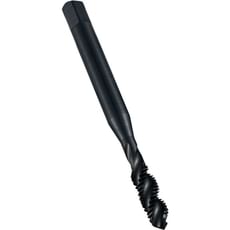
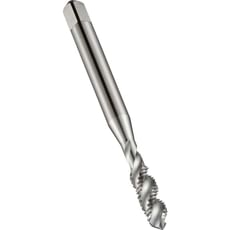
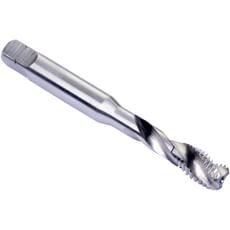
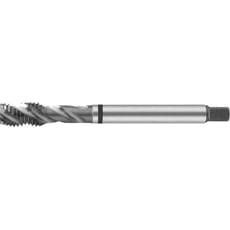
- Spiral Flute Tap: Features helical flutes that evacuate chips upwards and out of the hole, making them ideal for blind holes (holes that don't go all the way through). Prevents chip jamming and broken taps.
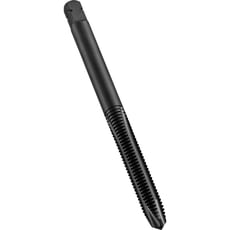
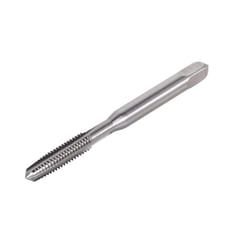
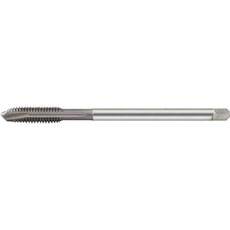
- Spiral Point Tap (Gun Tap): Designed with an angular cutting face that pushes chips forward through the hole, perfect for through-holes where material can exit. Faster cutting action than straight flute designs.
- Metric Coarse Thread: The standard thread profile in the UK and Europe, denoted by 'M' followed by diameter (e.g., M6, M10, M12). Coarser pitch provides greater strength and is easier to tap than fine threads.
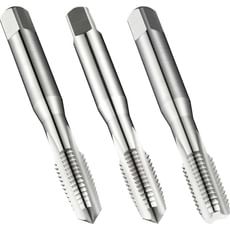
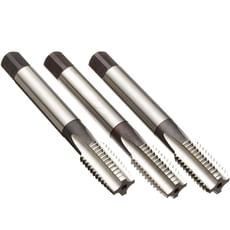
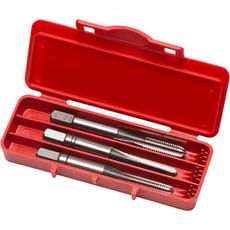
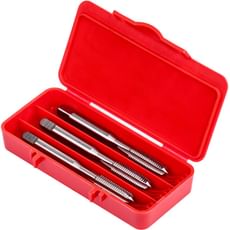
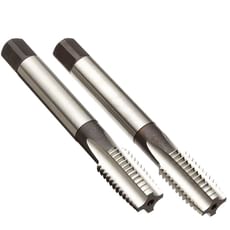
- Taper, Second and Plug Taps: Traditional tap sets include three graduated taps: taper (starts the thread with a long lead-in), second (intermediate), and plug or bottoming tap (cuts threads close to the hole bottom).
- TPI (Threads Per Inch): Measurement of thread pitch used in imperial systems, though metric pitch is measured in millimetres between threads. Understanding both systems helps when working with mixed fastener standards.
Who Uses Taps?
- General Engineering and Fabrication: Machinists, fitters and fabricators threading components for assemblies, fixtures and custom metalwork
- Automotive and Vehicle Repair: Mechanics and technicians re-cutting damaged threads or creating new mounting points in chassis, engine blocks and bodywork
- Maintenance Engineers: Plant maintenance teams repairing stripped threads in machinery, equipment frames and industrial installations
- Plumbers and Heating Engineers: Creating threaded connections in pipework, mounting brackets and radiator installations
- Electricians: Threading conduit, panel enclosures and fixing points for electrical installations
- Shopfitters and Joiners: Installing metal fixings, cabinet hardware and structural connections requiring threaded fasteners
- Model Makers and Prototypers: Precision threading in small-scale work, prototypes and bespoke fabrications
- DIY Enthusiasts: Home metalworking projects, vehicle restoration and general repairs requiring threaded holes
How to Choose the Right Taps
Material Compatibility: Match tap material to your workpiece. Standard HSS suits aluminium, brass, mild steel and plastics. For stainless steel, hardened alloys or cast iron, specify HSS-E taps with cobalt content. Premium coatings like TiN (gold) or TiAlN (bronze/purple) further enhance performance and tool life when working with abrasive or tough materials.
Hole Type - Through or Blind: Spiral point taps excel in through-holes by pushing chips forward, preventing recutting and enabling faster operation. For blind holes (where chips cannot exit through the bottom), spiral flute taps evacuate material upwards, essential for preventing tap breakage and achieving full thread depth.
Thread Standard and Size: Confirm whether you need metric coarse (most common UK standard), metric fine (for precision applications requiring more threads per length), or imperial threads. Verify the exact size required - the selection at Tooled-Up includes popular sizes from M3 through M12 and beyond. Consider purchasing tap and drill sets that include the correct pilot drill size for each tap.
Hand or Machine Operation: Hand taps feature longer shanks for use with tap wrenches and require the traditional taper-second-plug sequence for best results. Machine taps have shorter shanks for chuck mounting and often use spiral geometries that can complete threads in a single pass. Impact-rated taps from manufacturers like DeWalt work with impact drivers for rapid installation on site.
Quality and Longevity: Professional taps from brands like Dormer represent an investment that pays dividends through consistent thread quality, reduced breakage and extended service life. Whilst budget options suit occasional use, tradespeople tapping daily benefit significantly from premium materials, precision grinding and advanced geometries that cut cleaner threads with less torque.
Popular Accessories
- Tap Wrenches: Adjustable holders providing leverage and control for hand tapping operations, available in T-handle and ratcheting designs
- Cutting Fluid and Lubricants: Thread-cutting compounds reduce friction, dissipate heat and dramatically improve tap life whilst producing cleaner threads
- Pilot Drill Bits: Correctly sized drills create the proper hole diameter for each tap size - essential for achieving full thread engagement
- Tap Extractors: Specialised tools for removing broken taps from holes without damaging the parent material
- Thread Gauges: Verify pitch and fit of newly cut threads against standard specifications
- Centre Punches and Markers: Accurate hole location prevents tap walking and ensures perpendicular thread alignment
- Deburring Tools: Clean up hole edges before tapping and chamfer finished threads for easier bolt insertion
- Tap and Die Storage Cases: Organised storage protecting cutting edges and allowing quick size identification
Safety Information
Personal Protective Equipment: Always wear safety glasses or a face shield when tapping, as metal chips can fly unexpectedly. Gloves protect hands from sharp edges, though close-fitting types prevent snagging in rotating machinery. When machine tapping, secure long hair and avoid loose clothing that could become entangled.
Material Securing: Firmly clamp or secure workpieces before tapping. Movement during the operation causes tap breakage, damaged threads and potential injury. Use appropriate work-holding devices - vices, clamps or fixtures - ensuring stability throughout the process.
Correct Technique: Apply steady, controlled pressure without forcing. For hand tapping, advance half a turn forward, then reverse a quarter turn to break chips - this prevents jamming and tap breakage. Never use excessive force; resistance indicates improper pilot hole size, incorrect tap selection, or inadequate lubrication.
Chemical Hazards: Cutting fluids require proper handling and disposal according to COSHH regulations. Ensure adequate ventilation when using aerosol lubricants, and consult manufacturer safety data sheets for specific products. Store cutting compounds away from ignition sources and prevent skin contact with neat cutting oils.
Frequently Asked Questions
What size pilot hole do I need for each tap size?
The pilot hole diameter depends on the tap size and thread pitch. For metric coarse threads, a general rule approximates the tap diameter minus the pitch (e.g., M6 × 1.0mm needs approximately a 5.0mm drill). However, tap and drill charts provide precise sizes, or purchase matched sets from Tooled-Up that include the correct drill bit for each tap, eliminating guesswork and ensuring proper thread engagement.
Can I use a single tap or do I need a set of three?
Modern spiral point and spiral flute taps typically cut threads in a single operation, making them faster and more convenient. Traditional hand tapping uses a sequence of taper (starter), second (intermediate) and plug/bottoming taps, particularly in harder materials or when threading to the bottom of blind holes. For general-purpose work, a quality spiral tap often suffices, whilst complete sets offer versatility across different applications.
Why do taps break and how can I prevent it?
Tap breakage usually results from incorrect pilot hole size (too small creates excessive resistance), inadequate lubrication, forcing the tap rather than letting it cut, or chip accumulation in blind holes. Prevent breakage by drilling accurate pilot holes, using appropriate cutting fluid, reversing frequently to break chips, ensuring perpendicular alignment, and selecting the correct tap type (spiral flute for blind holes). Quality taps also resist breakage better than budget alternatives.
What's the difference between HSS and HSS-E taps?
HSS (High-Speed Steel) taps suit general-purpose applications in softer materials like aluminium, brass, mild steel and plastics. HSS-E adds cobalt (typically 5-8%) for significantly improved hardness and heat resistance, essential when tapping stainless steel, hardened steels, cast iron and other demanding materials. Whilst HSS-E costs more, the extended tool life and ability to handle tougher materials makes them worthwhile for professional applications and harder workpieces.
Can I tap stainless steel with regular taps?
Stainless steel's work-hardening properties and toughness make it extremely challenging for standard HSS taps. Use HSS-E taps specifically designed for stainless steel, apply generous cutting fluid, work slowly with frequent reversing to break chips, and ensure your pilot hole is accurately sized. Spiral flute designs work particularly well with stainless steel, evacuating chips efficiently and reducing the friction that causes work hardening.