

Tarpaulins & Covers
Pay in 3 interest-free payments on purchases from £30-2000 with  . Learn more.
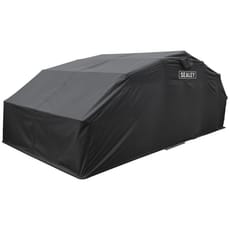
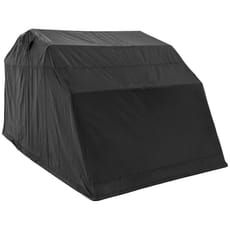
 Loading...
End of content
Error - No more pages to load
About Tarpaulins & Covers
Tarpaulins and covers are essential protective equipment for tradespeople, contractors, and DIY enthusiasts working across the UK. Whether protecting building materials on a construction site, securing loads during transport, or shielding equipment from Britain's unpredictable weather, a reliable tarpaulin provides crucial defence against rain, dust, debris, and UV damage. These versatile products range from lightweight polyethylene sheets for temporary protection to heavy-duty reinforced tarpaulins engineered for long-term outdoor use in demanding conditions. Available in numerous sizes, materials, and specifications, tarpaulins serve countless applications from scaffolding coverage to vehicle protection, making them indispensable on building sites, farms, and in workshops nationwide.
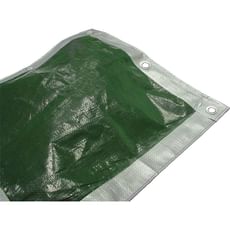
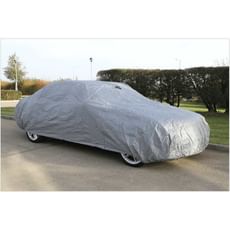
The selection at Tooled-Up.com includes comprehensive protective solutions across two key categories: body covers and general-purpose tarpaulins. Body covers are specifically designed protective coverings for vehicles, machinery, and equipment, often featuring tailored shapes, elasticated hems, and breathable fabrics that prevent condensation damage. General tarpaulins are versatile flat sheets available in various dimensions and weights, suitable for everything from short-term site protection to permanent outdoor coverage. Modern tarpaulins incorporate reinforced eyelets, UV-resistant coatings, and rot-proof materials that ensure durability even in harsh working environments where exposure to the elements is constant.
Choosing the appropriate tarpaulin depends on specific requirements including duration of use, environmental conditions, and the items being protected. Lightweight options are ideal for quick coverage and easy handling on domestic projects, whilst heavy-duty tarpaulins with high GSM (grams per square metre) ratings provide robust protection for extended periods on commercial sites. Professional-grade covers frequently incorporate waterproof seams, secure fastening systems to withstand strong winds, and specialised coatings that extend their working life significantly, making them cost-effective investments for regular users.
Jargon Buster
- GSM (Grams per Square Metre): A measurement of tarpaulin thickness and weight that indicates durability. Light-duty tarpaulins typically range from 90-120 GSM for temporary indoor use, medium-duty options sit between 120-180 GSM for general outdoor protection, whilst heavy-duty versions exceeding 200 GSM provide robust coverage for demanding site conditions and long-term exposure.
- PE (Polyethylene): A common tarpaulin material that's lightweight, waterproof, and economical. PE tarps are ideal for temporary protection and available in various colours including blue, green, and clear. They offer good weather resistance but shorter lifespans than PVC alternatives.
- PVC (Polyvinyl Chloride): A more durable tarpaulin material offering superior tear resistance and longevity. PVC-coated tarpaulins are preferred for long-term applications and heavy-duty use on building sites where materials face repeated handling and harsh conditions.
- Reinforced Eyelets: Metal or plastic grommets positioned around the tarpaulin's perimeter, usually at regular intervals (typically every 500mm-1000mm), allowing secure attachment using ropes, bungee cords, or tie-downs. Closer spacing provides more fixing points for enhanced stability in windy conditions.
- UV Stabilised: Treatment applied to tarpaulins to resist degradation from sunlight exposure, preventing the material from becoming brittle. This significantly extends outdoor lifespan, particularly important for permanent installations or seasonal coverage across British summers.
- Denier: A measurement of fabric thread density indicating strength and abrasion resistance. Higher denier numbers mean stronger, more durable materials, important for covers used in rough conditions or over sharp edges that might otherwise cause premature wear.
Who Uses Tarpaulins & Covers?
Tarpaulins and covers are indispensable across numerous trades and industries throughout the UK:
- Builders and General Contractors: Protecting building materials, scaffolding, and work areas from weather damage during construction projects
- Roofers: Providing temporary weather protection for properties during roof repairs and replacements, particularly essential during multi-day jobs
- Landscape Gardeners: Covering soil, aggregates, machinery, and protecting finished work from the elements between visits
- Painters and Decorators: Protecting floors, furniture, and equipment from paint splashes, dust, and debris during interior and exterior projects
- Agricultural Workers and Farmers: Covering hay bales, equipment, produce, and creating temporary shelters for livestock or machinery
- Transport and Haulage Professionals: Securing and protecting loads on trailers, flatbed lorries, and skips to comply with road traffic regulations
- Marine and Boat Owners: Protecting vessels, equipment, and fixtures from weather and UV damage during winter storage or extended periods ashore
- Event Organisers: Creating temporary shelters, ground protection, and weather-resistant coverings for outdoor functions
- DIY Enthusiasts and Homeowners: Protecting garden furniture, vehicles, building materials, and home improvement projects from seasonal weather
- Groundworkers and Civil Engineers: Covering excavations, materials, and equipment on site whilst complying with HSE guidelines
- Skip Hire Companies: Providing load covers for customers transporting waste to meet legal requirements
How to Choose the Right Tarpaulins & Covers
Material and Durability: Polyethylene tarpaulins are economical and suitable for short to medium-term use, making them popular for domestic projects and temporary site coverage. PVC and canvas options offer greater longevity for permanent installations or heavy-duty applications where durability justifies higher initial costs. Consider the GSM rating carefully: light-duty (90-120 GSM) suffices for temporary indoor use, medium-duty (120-180 GSM) handles general outdoor protection, and heavy-duty (180+ GSM) tackles demanding site conditions and long-term exposure to British weather.
Size and Coverage: Measure the area or items requiring protection accurately, adding extra coverage for overlap and secure fastening. Standard tarpaulin sizes range from compact 2m x 3m sheets suitable for small equipment to large 12m x 18m covers for scaffolding or material stockpiles. Consider whether pre-cut sizes meet your needs or if custom solutions are necessary for unusual dimensions. Remember that larger tarpaulins become increasingly difficult to handle, particularly in windy conditions.
Weather Resistance: For outdoor use, ensure your tarpaulin is waterproof, UV-stabilised, and rot-proof. UK weather conditions demand materials that withstand prolonged rain exposure whilst resisting mould and mildew growth that can weaken fibres. Reinforced corners and edges prevent tearing in high winds, whilst heat-sealed or stitched seams enhance waterproofing. For year-round outdoor use, UV stabilisation is essential to prevent material degradation during summer months.
Eyelet Spacing and Fixing Options: Check the eyelet spacing around the perimeter—closer spacing (every 500mm) provides more secure fixing points for exposed locations or windy conditions. Rust-proof metal eyelets offer greater strength and longevity than plastic alternatives, particularly for permanent installations. Consider how you'll secure the tarpaulin and whether additional bungee cords, ropes, or tie-downs are required. Some applications benefit from tarpaulin clips that create fixing points along edges without eyelets.
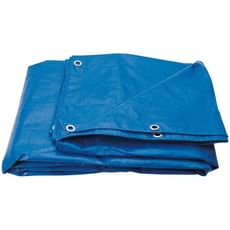
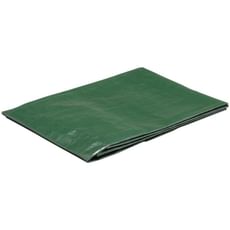
Colour and Visibility: Traditional blue tarpaulins are cost-effective and widely available, making them standard on building sites. Green options blend better with landscaping applications and residential settings where aesthetics matter. Clear or transparent tarpaulins allow light transmission for plant protection in horticultural applications. Bright colours improve visibility on building sites, enhancing safety compliance and reducing trip hazards.
Specific Application Features: Body covers often include elasticated hems for secure fitting and breathable fabrics that prevent condensation damage to vehicles and machinery during storage. Some specialist covers incorporate ventilation panels for applications requiring airflow, whilst others feature reinforced stress points at corners where tension is greatest. Consider whether your application requires specific features like flame-retardant materials for hot works areas or food-grade specifications for agricultural produce coverage.
Popular Accessories
Maximise the effectiveness and longevity of your tarpaulins and covers with these complementary products available from Tooled-Up:
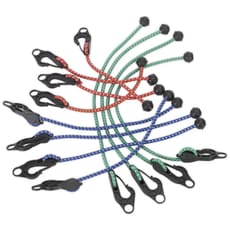
- Bungee Cords and Elastic Straps: Quick-release fastening systems in various lengths for securing covers tightly without complex knots, ideal for frequently accessed storage
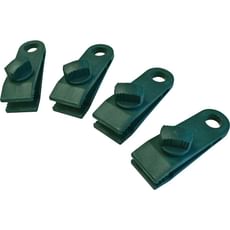
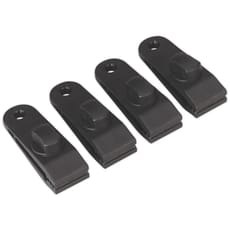
- Tarpaulin Clips and Clamps: Attachment devices for creating fixing points along tarpaulin edges without eyelets, useful for emergency repairs or temporary extensions
- Rope and Cord: Polypropylene or nylon rope for traditional tie-down methods and guy-line support, essential for permanent installations
- Ground Pegs and Stakes: Metal or plastic stakes for anchoring tarpaulin edges to the ground, particularly important on building sites and outdoor events
- Adhesive Repair Tape: Waterproof repair tape for patching tears and extending tarpaulin life, a cost-effective alternative to replacement
- Tarpaulin Poles and Support Systems: Telescopic poles and frames for creating sheltered areas and preventing water pooling that adds dangerous weight
- Ball Bungees: Versatile fasteners featuring a cord with a ball end, ideal for quick temporary fixing on scaffolding or framework
- S-Hooks and Carabiners: Metal connectors for attaching tarpaulins to fixed points and structures, providing secure load-bearing attachment points
- Turnbuckles and Tensioners: Adjustable tensioning devices for maintaining taut coverage and preventing flapping in wind
Safety Information
Secure Fixing: Always ensure tarpaulins are properly secured to prevent them becoming loose in high winds, which could cause injury or damage. Loose tarpaulins create hazardous flying debris on building sites and obstruct visibility for motorists if used on vehicles. Check all fixings regularly, particularly after adverse weather, and replace worn ropes or damaged eyelets immediately. Comply with HSE guidelines for site safety and ensure tarpaulins don't create trip hazards or obscure warning signage.
Load Security: When covering loads on vehicles or trailers, ensure the tarpaulin doesn't obscure lights, number plates, or driver visibility. Comply with Road Traffic Act requirements for secure load covering during transport—loose material can cause serious accidents on UK roads. Ensure adequate tie-down points and use appropriate tensioning to prevent load shift. Remember that incorrectly secured loads can result in prosecution and invalidate insurance coverage.
Water Accumulation: Prevent water pooling on horizontal tarpaulins by ensuring adequate slope or intermediate support points. Accumulated water adds significant weight—potentially several hundred kilograms—that can cause structural collapse or tarpaulin failure, potentially causing injury to those below. Regularly inspect tarpaulin installations after heavy rain and remove standing water using support poles or by temporarily releasing one edge.
Working at Height: When installing tarpaulins on scaffolding, roofs, or elevated structures, follow HSE guidelines for working at height. Use appropriate fall protection equipment including harnesses and lanyards, and ensure secure footing on potentially slippery surfaces. Never work alone at height and consider weather conditions—wind makes tarpaulin handling particularly dangerous. Plan installation carefully to minimise time spent at height and use mechanical aids where possible.
Fire Safety: Be aware that most polyethylene and PVC tarpaulins are flammable and can produce toxic fumes when burning. Keep them away from naked flames, welding operations, grinding sparks, and heat sources. Consider fire-retardant options for applications near hot works or in areas where fire risk is elevated. Ensure adequate separation distances on sites where multiple trades are working and inform hot works operatives of tarpaulin locations.
Frequently Asked Questions
What GSM tarpaulin do I need for building site use?
For typical building site applications, choose a medium to heavy-duty tarpaulin with a minimum GSM rating of 150-200. This provides adequate durability for weatherproofing materials, covering scaffolding, and general site protection against rain, dust, and debris. For long-term use or particularly harsh conditions such as exposed coastal locations or permanent outdoor storage, opt for heavy-duty options above 200 GSM with reinforced edges and closely-spaced eyelets (every 500mm). Consider also that frequently moved tarpaulins require higher GSM ratings than permanent installations due to increased wear from handling.
How do I prevent my tarpaulin from tearing in strong winds?
Ensure proper securing using all available eyelets, with particular attention to corners which experience the greatest stress and are most prone to tearing. Avoid creating large unsupported areas where wind can get underneath—use intermediate support points or poles to break up the surface area. Choose a tarpaulin slightly larger than required to allow adequate overlap and fixing margins without creating excessive tension. In exposed locations, heavy-duty tarpaulins with reinforced edges and corners offer superior wind resistance. Consider also the installation angle—sloped installations shed wind more effectively than flat horizontal covers.
Can I leave a tarpaulin outside permanently?
UV-stabilised, heavy-duty tarpaulins can withstand extended outdoor exposure, but all tarpaulins have a finite lifespan depending on material quality and environmental conditions. PVC-coated and canvas tarpaulins generally last longer than standard polyethylene options, with professional-grade products offering 2-3 years in permanent outdoor use. Expect 1-2 years from quality UV-stabilised PE tarpaulins, though this varies considerably with sun exposure, wind stress, and maintenance. Regularly inspect for damage, remove debris and standing water, and clean accumulated dirt to maximise longevity. Coastal locations and areas with high pollution accelerate degradation.
What's the difference between body covers and tarpaulins?
Body covers are specifically designed protective coverings for vehicles, machinery, and equipment, often featuring tailored shapes, elasticated hems for secure fitting, and breathable fabrics that prevent condensation damage during storage. They provide a more precise fit that reduces wind flapping and protects against scratching. Tarpaulins are versatile, flat sheets available in various sizes for general-purpose protection of materials, structures, and areas. They offer flexibility for diverse applications but require more careful securing. Body covers suit regular protection of specific items, whilst tarpaulins handle varied tasks from load covering to temporary shelters.
How do I repair a torn tarpaulin?
Small tears and punctures can be effectively repaired using waterproof tarpaulin repair tape applied to both sides of the damage after thoroughly cleaning and drying the area. Ensure good adhesion by pressing firmly and allowing 24 hours to cure before exposing to weather. For larger tears, consider using a tarpaulin patch kit with adhesive backing, ensuring the patch extends at least 50mm beyond the damaged area in all directions. Some heavy-duty tarpaulins can be professionally welded or stitched for permanent repairs, which is cost-effective for expensive, high-quality covers. Always repair damage promptly—small tears quickly expand under wind stress.