

Tarpaulins
Pay in 3 interest-free payments on purchases from £30-2000 with  . Learn more.
 Loading...
End of content
Error - No more pages to load
About Tarpaulins
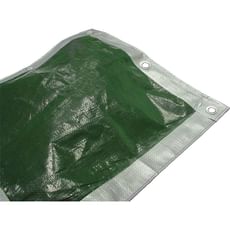
Tarpaulins are indispensable protective covers for tradespeople, builders, and DIY enthusiasts who need reliable weatherproofing and material protection. From safeguarding building materials on exposed construction sites to creating temporary vehicle shelters, a quality tarpaulin delivers essential protection against Britain's unpredictable weather. Modern tarpaulins combine durability with versatility, featuring reinforced corners, rust-proof eyelets, and UV-resistant coatings that withstand prolonged outdoor exposure. Available in various weights from lightweight 70 GSM sheets for occasional use to heavy-duty 200 GSM reinforced covers for demanding applications, these protective covers represent a cost-effective solution for temporary and permanent outdoor protection needs.
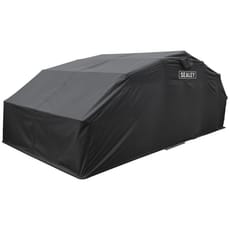
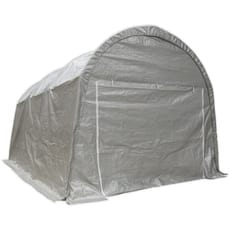
The selection at Tooled-Up.com includes polyethylene ground sheets and protective covers from established brands including Sealey, Faithfull, and Draper. Whether you require a compact sheet for protecting tools during transport or a large-scale shelter system for vehicle storage, the range covers applications from emergency roof repairs to agricultural equipment protection. Beyond traditional flat tarpaulins, Tooled-Up stocks specialist shelter systems such as Sealey's instant carport shelters and domed roof portable covers that transform heavy-duty tarps into structured protection solutions. These purpose-built systems eliminate the constant adjustments required with conventional tarps whilst providing superior weather resistance for vehicles and equipment.
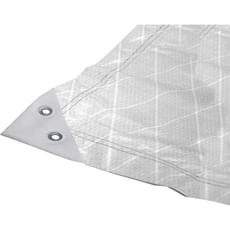
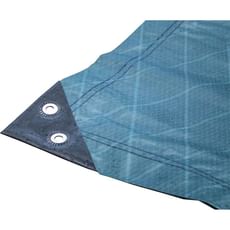
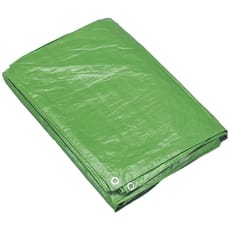
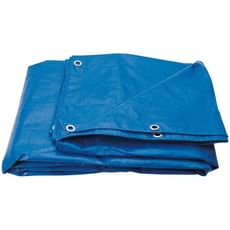
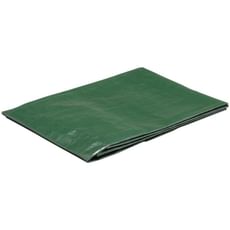
Quality tarpaulins feature strategically placed aluminium eyelets at regular intervals—typically every 50cm to 1 metre—enabling secure fixing with bungee cords, ropes, or specialist tarpaulin clips. Heavy-duty models incorporate reinforced edges and corners that prevent tearing at high-stress points, whilst UV stabilisation prevents the material degradation and brittleness that afflicts untreated polyethylene exposed to sunlight. Colour options extend beyond functionality to suit different environments: traditional blue for building sites, green for blending into garden and agricultural settings, and white or silver for applications requiring heat reflection to protect temperature-sensitive materials.
Jargon Buster
- GSM (Grams per Square Metre): The standard measurement for tarpaulin thickness and material weight. Light-duty tarps typically measure 70-90 GSM, medium-duty range from 90-120 GSM, whilst heavy-duty professional tarpaulins reach 150-200 GSM. Higher GSM ratings indicate more durable, tear-resistant material suitable for prolonged outdoor use and demanding site conditions.
- Polyethylene (PE) Tarpaulin: The most common tarpaulin construction, consisting of woven polyethylene fabric laminated on both sides for waterproofing. PE tarps offer excellent water resistance, reasonable tear strength, and cost-effectiveness, making them ideal for general building site protection, equipment covering, and temporary weatherproofing applications.
- UV Stabilised: Chemical additives incorporated during manufacture that protect polyethylene from ultraviolet degradation caused by sunlight exposure. UV stabilisation prevents the brittleness, discolouration, and structural weakening that occurs when untreated tarps remain outdoors for extended periods, significantly extending service life in British weather conditions.
- Eyelet Spacing: The distance between reinforced fixing holes along tarpaulin edges, typically 50cm or 1 metre intervals. Closer eyelet spacing provides more securing points for applications requiring taut coverage or exposure to high winds, whilst wider spacing suits lighter-duty applications where fewer fixing points suffice.
- Reinforced Corners: Additional material layers heat-sealed at tarpaulin corners to distribute stress and prevent tearing. These reinforcements are critical for applications where tarps are pulled tight or subjected to wind loading, as corners experience the highest forces during normal use and weather exposure.
- Mildew Resistant: Treatment that prevents fungal growth and material degradation when tarpaulins remain damp or stored wet. Particularly important for tarps used in ground contact, agricultural applications, or any situation where moisture accumulation and limited airflow might promote mildew development.
Who Uses Tarpaulins?
- Builders and General Contractors: Site material protection, scaffold sheeting, temporary weather shelters, and covering work areas overnight
- Roofers: Emergency weather protection during repairs, covering completed sections, and protecting building interiors from water ingress
- Landscape Gardeners: Ground protection during landscaping work, collecting garden waste, covering planted areas, and protecting machinery
- Painters and Decorators: Drop sheets for floor protection, furniture covering, and creating dust barriers during renovation work
- Agricultural Workers and Farmers: Hay bale covers, livestock shelter construction, machinery protection, and temporary barn repairs
- Vehicle Owners and Mechanics: Car covers for outdoor storage, temporary carport construction, and workshop floor protection
- Transport and Logistics Professionals: Load covering for open vehicles, protecting goods in storage, and temporary weather barriers
- Event Organisers: Ground covering for outdoor events, weather protection for equipment, and temporary structure construction
- Scaffolding Contractors: Debris netting, weather protection for works in progress, and site safety barriers
- DIY Enthusiasts and Homeowners: Garden furniture protection, BBQ covers, temporary shelters for outdoor projects, and home improvement work
How to Choose the Right Tarpaulin
Material Weight and Application: Match GSM rating to your intended use and exposure duration. Light-duty tarpaulins (70-90 GSM) suit occasional DIY tasks and short-term protection lasting days or weeks. Medium-duty options (90-120 GSM) handle regular site work and seasonal applications. Heavy-duty tarpaulins (150-200 GSM) from brands like Draper Expert provide long-lasting protection for permanent outdoor installations, vehicle storage, and demanding construction applications where material failure could prove costly.
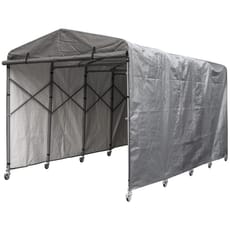
Size and Coverage Requirements: Measure the area requiring protection and add minimum 30cm overhang on all sides to ensure adequate coverage and ground anchoring. Standard sizes range from compact 2m x 3m sheets suitable for protecting tools and small material stacks, through to expansive 6m x 8m covers for large equipment or building material protection. For vehicle storage, consider Sealey's purpose-built carport shelters available up to 3.3m x 7.5m, which offer structured protection eliminating the sagging and water pooling issues common with unsupported flat tarps.
Colour Selection and UV Protection: Choose colours appropriate to your environment and application. Green tarpaulins blend naturally in gardens and agricultural settings, traditional blue suits building sites, whilst white or silver reflects heat making them ideal for covering temperature-sensitive materials. Regardless of colour, verify UV stabilisation for any outdoor use exceeding a few weeks—untreated polyethylene degrades rapidly under British summer sun, becoming brittle and prone to tearing within months.
Eyelet Configuration and Fixing Points: Examine eyelet spacing relative to your securing requirements. Standard 1 metre intervals suit most general applications, but exposed locations or applications requiring taut coverage benefit from closer spacing at 50cm intervals. Check that eyelets are aluminium (rust-proof) rather than steel, and that corners feature reinforced eyelet placement. Consider purchasing additional Faithfull instant clip-on eyelets for creating supplementary fixing points without permanently modifying the tarpaulin.
Construction Quality and Features: Inspect edge finishing—hemmed and heat-sealed edges significantly outlast raw-cut alternatives. Verify that corners incorporate reinforcement patches, as these high-stress areas fail first on economy tarps. For professional applications, the mildew-resistant PE material found in Draper Expert ranges prevents fungal degradation when tarps remain damp. If constructing temporary structures, evaluate complete shelter systems from Sealey that include frame supports rather than attempting to tension unsupported tarps over large areas.
Popular Accessories
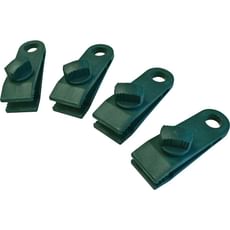
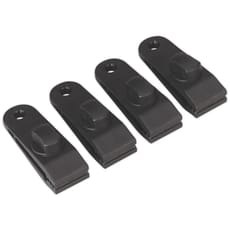
- Tarpaulin Clips and Instant Eyelets: Faithfull clip-on eyelets create additional fixing points anywhere along tarpaulin surfaces without requiring tools or causing permanent damage, essential for securing awkward shapes and irregular loads
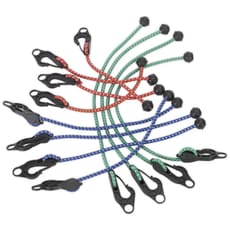
- Bungee Cords and Securing Straps: Sealey assorted tarpaulin cord sets provide the elastic tensioning needed to keep tarps taut and prevent wind-driven flapping that accelerates wear
- Ground Pegs and Anchor Stakes: Heavy-duty metal stakes for securing tarpaulin edges to soft ground on building sites, agricultural applications, and outdoor locations
- Rope and Tie-Down Cord: Weather-resistant polypropylene cord for lashing tarps over vehicles, equipment, and constructing ridge lines for tented configurations
- Repair Tape and Patches: Waterproof adhesive tape for field repairs extending tarpaulin service life when tears or punctures occur during use
- Carport and Shelter Frame Systems: Sealey structural support frames that transform heavy-duty tarps into functional vehicle storage shelters and equipment protection buildings
- Storage Bags and Organisers: Protective storage solutions keeping folded tarpaulins clean, organised, and free from rodent damage between deployments
- Adjustable Straps and Ratchets: Professional tensioning systems for applications requiring precise tightness and load securing for transport applications
Safety Information
Secure Fixing and Wind Resistance: Always ensure tarpaulins are properly secured with adequate fixing points, particularly in exposed locations prone to high winds. Insufficiently anchored tarps become dangerous projectiles capable of causing injury to site personnel and damage to property. Check all securing points before leaving sites unattended, and increase fixing frequency in areas experiencing regular strong winds. The HSE recommends daily inspection of temporary weather protection on construction sites.
Water Accumulation and Structural Loading: Regularly inspect horizontal or low-angle tarpaulins for water pooling, which rapidly adds significant weight potentially causing collapse or tearing. A 1 metre square area collecting just 10cm of water weighs approximately 100kg—enough to tear most tarpaulins or collapse supporting structures. Angle tarps to encourage drainage and avoid creating pockets where British rainfall accumulates, particularly during autumn and winter months.
Working at Height Considerations: When installing tarpaulins on scaffolding, roofs, or elevated structures, follow HSE guidelines for working at height. Use appropriate access equipment including tower scaffolds or mobile platforms rather than ladders. Wear harnesses where required, maintain three points of contact when climbing, and never overreach whilst securing fixing points. Wind loading makes tarpaulin installation particularly hazardous in exposed elevated locations.
Fire Hazards and Hot Works: Keep polyethylene tarpaulins away from naked flames, welding operations, grinding sparks, and heat sources. PE material is flammable and produces toxic fumes when burning. Establish adequate fire safety measures on sites where hot works occur near tarpaulin coverage, and consider using fire-retardant alternatives for applications in close proximity to welding or cutting operations.
Frequently Asked Questions
What size tarpaulin do I need for covering my car or van?
Standard cars require minimum 4m x 6m tarpaulins to provide adequate coverage with ground overlap for securing. Transit-sized vans typically need 5m x 7m sheets, whilst larger panel vans may require 6m x 8m covers. However, flat tarpaulins over vehicles tend to accumulate water and require frequent adjustment. Consider Sealey's purpose-built carport shelters instead—available in sizes up to 3.3m x 7.5m with structured frames that shed water effectively and eliminate constant tensioning requirements.
How long will a polyethylene tarpaulin last outdoors in continuous use?
Lifespan depends heavily on material quality, UV stabilisation, and exposure conditions. Economy tarpaulins typically last 6-12 months with continuous outdoor exposure before UV degradation causes brittleness. Heavy-duty UV-stabilised tarpaulins from Draper Expert and Faithfull Tough Tarp ranges can provide 2-3 years of reliable service when properly secured. Regular inspection, prompt repairs, and preventing excessive wind-driven flapping significantly extend tarpaulin life regardless of initial quality.
Can torn tarpaulins be effectively repaired or should I replace them?
Small tears and punctures up to approximately 10cm can be effectively repaired using waterproof tarpaulin repair tape applied to both sides of the damage. For larger tears, sew a patch of similar material over the damaged area before applying tape for reinforcement. However, extensive damage, multiple tears, or damage near corners and stress points compromises overall structural integrity. In these cases, replacement proves more cost-effective than repairs, particularly for safety-critical applications like scaffold sheeting or vehicle protection.
What's the practical difference between blue, green, and silver tarpaulins?
Colour differences are primarily aesthetic rather than functional, though they can indicate intended market. Blue tarpaulins are traditional for construction and building sites, green tarps blend better in garden and agricultural environments, whilst white or silver colours reflect solar heat making them preferable for covering temperature-sensitive materials or creating cooler sheltered areas. However, colour alone doesn't indicate quality or durability—always check GSM rating, UV stabilisation, and construction quality rather than selecting based solely on colour.
Are the standard eyelets sufficient or do I need additional tarpaulin clips?
Standard eyelets prove sufficient for most straightforward applications when combined with appropriate bungee cords or ropes. However, tarpaulin clips like Faithfull's instant clip-on eyelets become invaluable for creating additional mid-surface fixing points, securing irregular shapes, or reinforcing high-stress areas. They're particularly useful for temporary installations requiring flexible securing options, covering loads with protruding elements, or situations where standard eyelet spacing doesn't align conveniently with available fixing points on vehicles or structures.