

Telephone Cables & Accessories
Pay in 3 interest-free payments on purchases from £30-2000 with  . Learn more.
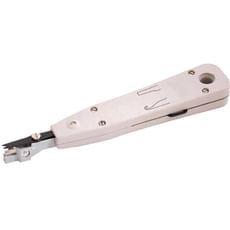
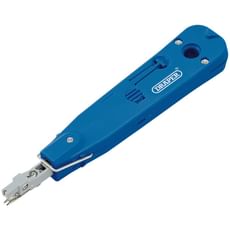
 Loading...
End of content
Error - No more pages to load
About Telephone Cables & Accessories
Telephone cables and accessories encompass the essential components required for installing, maintaining, and repairing telecommunications infrastructure in both residential and commercial environments. This category includes specialised tools such as punch down tools, cable termination equipment, and wire management accessories that enable professionals and competent DIY enthusiasts to work with telephone systems, structured cabling networks, and low-voltage communication installations. These products are fundamental to ensuring reliable voice and data connections throughout buildings and across network infrastructures.
The telecommunications sector relies on precision tools designed specifically for working with the delicate wiring found in telephone systems and computer network installations. Punch down tools, for example, are essential for terminating wires into connection blocks, patch panels, and keystone jacks whilst simultaneously cutting excess cable to ensure a clean, professional finish. Tools suitable for CW1308 telecom cable and similar standards are designed to work efficiently with the multi-pair copper cables commonly used in UK telephone installations.
Whether you're a telecommunications engineer upgrading an office phone system, an electrician diversifying into data cabling, or a facilities manager maintaining existing infrastructure, Tooled-Up.com stocks the specialist tools and accessories required for professional telephone and network cable installations. From basic cable strippers to advanced termination tools with interchangeable blades, these products help ensure compliance with industry standards whilst reducing installation time and improving connection reliability.
Jargon Buster
- Punch Down Tool: A hand-held termination tool that pushes individual wires into insulation displacement connectors (IDCs) found on patch panels, keystone jacks, and connection blocks. The tool simultaneously seats the wire and cuts off the excess in one action.
- CW1308 Cable: A British Standard specification for internal telephone cables, typically consisting of pairs of copper conductors with polyethylene insulation. This is the standard cable type used for traditional telephone installations in UK properties.
- IDC (Insulation Displacement Connector): A type of electrical connector designed to be connected to the conductor of an insulated cable by a blade that cuts through the insulation to contact the copper conductor, eliminating the need to strip wires manually.
- Cable Termination: The process of connecting cable ends to connectors, blocks, or equipment to create a reliable electrical connection. Proper termination is critical for signal integrity and system reliability.
- Insertion Blade: The replaceable component of a punch down tool that forces wires into IDC slots. Different blade types are available for various connector standards such as 110, Krone, or BT connectors.
- Low-Voltage Cabling: Electrical wiring that carries less than 50V AC, including telephone lines, data networks, and communication systems. These installations have different regulatory requirements compared to mains 240v electrical work.
Who Uses Telephone Cables & Accessories?
- Telecommunications Engineers: Specialists who install and maintain telephone systems, PABX equipment, and structured cabling networks in commercial and residential properties
- Data Cabling Installers: Professionals focused on computer network infrastructure, including Cat5e, Cat6, and fibre optic installations that often incorporate telephone systems
- Electricians: Qualified sparkies who extend their services to include low-voltage installations such as telephone extensions and basic network cabling
- IT Technicians: In-house technical staff responsible for maintaining office telecommunications infrastructure and troubleshooting connectivity issues
- Facilities Managers: Building maintenance professionals who oversee telecommunications infrastructure and coordinate repairs or upgrades
- Office Managers: Those responsible for arranging telephone line installations when reconfiguring office layouts or adding new workstations
- Competent DIY Enthusiasts: Homeowners with technical knowledge who wish to install telephone extensions or upgrade home office cabling themselves
- Property Developers: Professionals overseeing new build or renovation projects requiring telecommunications infrastructure installation
How to Choose the Right Telephone Cables & Accessories
Selecting appropriate telecommunications tools begins with understanding the specific tasks you'll be performing. For basic telephone installations using standard BT-style connectors, a punch down tool with a standard blade for CW1308 cable will suffice. However, if you're working with structured cabling systems incorporating computer networks, ensure your tool includes interchangeable blades compatible with 110-type, Krone, or other connector standards you'll encounter.
Consider the frequency of use when evaluating build quality. Professional telecommunications engineers working daily should invest in robust tools from established brands like Draper, which offer durability and precision under constant use. The inclusion of features such as cable locking mechanisms, integrated cable shears, and comfortable ergonomic grips significantly improves efficiency during prolonged installation work. Tools available at Tooled-Up include these professional-grade features designed to withstand the demands of trade use.
Versatility is another important consideration. Multi-function tools that combine wire termination, excess cable trimming, and wire extraction capabilities reduce the number of separate tools needed on site, streamlining your toolkit and reducing costs. Check that replacement blades and components are readily available, as these consumable parts will require periodic replacement to maintain cutting performance and termination quality.
For those new to telecommunications work, choosing tools that are intuitive to use and include clear instructions is essential. Many punch down tools feature adjustable impact settings to accommodate different connector types and prevent damage to delicate components. Ensure any tool you select is suitable for the cable gauges and connector types specified in your project requirements.
Popular Accessories
- Cable Strippers: Precision tools for removing cable jackets without damaging internal conductors
- Cable Testers: Diagnostic equipment for verifying continuity and identifying wiring faults in telephone and network installations
- Crimping Tools: For attaching RJ11, RJ45, and other modular connectors to cable ends
- Wire Tidies and Cable Management: Organisational accessories for maintaining neat installations and preventing cable damage
- Replacement Blades: Spare insertion blades for punch down tools to maintain cutting performance
- Cable Labels and Markers: Essential for identifying circuits during installation and future maintenance
- Modular Connectors: RJ11 and RJ45 plugs and sockets for telephone and network terminations
- Patch Panels and Connection Blocks: Infrastructure components for organising multiple cable terminations
- Cable Clips and Fixings: For securing cables along walls, skirting boards, and through ceiling spaces
- Multimeters: For testing voltage and continuity in telecommunications circuits
Safety Information
Whilst telephone cables operate at low voltages that present minimal electrical shock risk under normal circumstances, proper safety practices remain essential. Always verify that cables are disconnected from active telephone lines before commencing termination work, as telephone systems can carry voltages up to 50V DC during ringing, which may cause discomfort. Never assume a cable is inactive—use appropriate testing equipment to confirm.
When working in properties or commercial buildings, be aware that telecommunications cables often run alongside mains 240v electrical wiring. Exercise caution to avoid accidental contact with live electrical conductors, and never use telecommunications tools on mains voltage cables. Ensure proper identification of all cables before cutting or terminating to prevent damage to active circuits or injury.
Wear appropriate eye protection when using punch down tools, as the spring-loaded mechanism can occasionally cause small wire fragments to become airborne when cutting excess cable. Maintain tools in good condition with sharp blades to prevent excessive force being required, which can lead to repetitive strain injuries during extended installation work. Follow manufacturer guidelines for tool maintenance and blade replacement intervals to ensure safe, reliable operation.
Frequently Asked Questions
Can I use telecommunications tools for computer network cabling as well as telephone installations?
Yes, many punch down tools and cable accessories are designed to work with both telephone and computer network installations. The key is ensuring your tool has the appropriate blade type for the connectors you're using. Structured cabling for computer networks typically uses the same punch down technique as telephone systems, though connector standards may differ. Tools with interchangeable blades offer the versatility to work across different telecommunications applications.
Do I need any qualifications to install telephone cables in the UK?
Telephone and data cabling work is generally not regulated in the same way as mains electrical installations, and no specific qualifications are legally required for working on low-voltage telecommunications systems. However, professional installers often hold relevant qualifications such as City & Guilds telecommunications courses, and many clients—particularly commercial ones—will expect documented competence. Always ensure you're familiar with relevant standards and best practices before undertaking installation work.
What's the difference between telephone cable and network cable?
Traditional telephone cable (such as CW1308) typically contains fewer pairs of conductors and is designed specifically for voice transmission. Computer network cable (Cat5e, Cat6, etc.) contains four twisted pairs designed to higher specifications for data transmission with reduced interference. Whilst network cable can carry telephone signals, telephone cable isn't suitable for modern computer networks. Many contemporary installations use Cat5e or Cat6 cable even for telephone connections to provide future flexibility.
How do I maintain punch down tools for optimal performance?
Regular maintenance involves keeping the tool clean and free from cable debris, checking the blade sharpness, and replacing blades when they become dull or damaged. A dull blade requires excessive force and produces poor-quality terminations. Store tools in a dry environment to prevent corrosion, and periodically check that the spring mechanism operates smoothly. Most quality tools from brands like Draper are designed for long service life with minimal maintenance beyond blade replacement.
Can telephone cables interfere with other building systems?
Properly installed telephone cables operating at low voltages rarely cause interference issues. However, running telecommunications cables parallel to mains 240v electrical cables over long distances can potentially introduce noise into telephone signals. Best practice involves maintaining separation between low-voltage communications cabling and power cables, or crossing them at right angles where they must intersect. Following structured cabling standards helps ensure installation quality and system performance.