

Telescopic Ladders
Pay in 3 interest-free payments on purchases from £30-2000 with  . Learn more.
 Loading...
End of content
Error - No more pages to load
About Telescopic Ladders
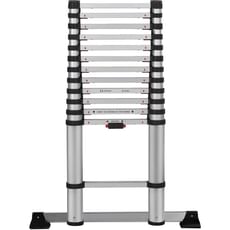
Telescopic ladders are innovative, space-saving access solutions that extend and retract smoothly, rung by rung, to provide multiple working heights in a single compact unit. Unlike traditional extension ladders, these ingenious designs collapse down to a fraction of their extended height—typically around 700-800mm when closed—making them exceptionally portable and ideal for tradespeople who need to transport equipment between job sites or store ladders in vans with limited space. Constructed predominantly from lightweight yet robust aluminium, telescopic ladders offer impressive weight capacities, typically rated to 150kg, whilst remaining easy to carry and manoeuvre.
The selection at Tooled-Up.com includes models from leading manufacturers such as Telesteps, Werner, and Sealey, each designed with user safety and convenience at the forefront. Modern telescopic ladders feature soft-close mechanisms that allow each rung to retract slowly and safely, significantly reducing the risk of trapped fingers—a common hazard with older designs. These ladders are manufactured to stringent EN 131 standards, ensuring they meet the safety requirements expected by professional tradespeople and serious DIY enthusiasts alike.
Whether you're a window cleaner needing quick access to various heights throughout the day, a surveyor conducting property inspections, or a homeowner tackling occasional maintenance tasks, telescopic ladders offer unparalleled versatility. Their compact storage footprint makes them particularly valuable for those working from smaller vehicles or with limited workshop and garage space, whilst their quick deployment means less time wrestling with unwieldy equipment and more time focused on the task at hand.
Jargon Buster
- EN 131 Certification: The European safety standard for ladders, ensuring they meet specific requirements for strength, stability, and safe use. All professional-grade telescopic ladders should carry this certification.
- Soft-Close Mechanism: A safety feature that controls the retraction speed of each rung, preventing them from snapping down rapidly and reducing the risk of finger injuries during the closing process.
- Rung-by-Rung Extension: The ability to lock the ladder at various heights by extending individual rungs, allowing precise adjustment to suit different working heights rather than being limited to one or two fixed positions.
- Closed Height: The minimum height of the ladder when fully retracted, typically between 700-850mm, which determines how compact it is for storage and transportation purposes.
- Safe Working Load (SWL): The maximum weight capacity the ladder is designed to support safely, including the user's body weight plus any tools and materials being carried. Most telescopic ladders are rated to 150kg.
- Stabiliser Bar: An optional accessory that attaches to the ladder's base or top to increase stability and prevent lateral movement, particularly useful when working on uneven ground or at full extension.
Who Uses Telescopic Ladders?
Telescopic ladders serve a diverse range of professional tradespeople and applications:
- Window cleaners who need lightweight, portable access equipment that fits easily in vans
- Surveyors and building inspectors conducting property assessments at multiple locations daily
- Electricians and sparkies requiring quick access to ceiling fixtures, consumer units, and outdoor lighting
- Painters and decorators working on interior walls, ceilings, and exterior trim at various heights
- Facilities maintenance teams managing commercial buildings and estates
- Gutter cleaners and roofing contractors conducting inspections and minor repairs
- Satellite and aerial installers accessing roof-level mounting points
- Plumbers working on boilers, pipework, and bathroom installations
- Emergency services including fire and rescue teams requiring compact, rapidly deployable access equipment
- Homeowners and DIY enthusiasts with limited storage space who need occasional access for maintenance
- Caravan and motorhome owners for roof inspections and cleaning where storage space is at a premium
How to Choose the Right Telescopic Ladders
Selecting the appropriate telescopic ladder requires careful consideration of several key factors:
Maximum Extended Height: Determine the highest working position you'll need to reach regularly. Tooled-Up stocks models extending from approximately 2.6 metres to well over 3.8 metres. Remember that your safe standing height is typically around 1 metre below the ladder's maximum extended height, so factor this into your calculations.
Closed Height and Portability: If you'll be transporting the ladder frequently or have limited storage space, prioritise models with the most compact closed height. Most collapse to around 720-800mm, but even small differences matter when fitting equipment into van storage compartments or under workbenches.
Weight and Build Quality: Whilst lightweight aluminium construction aids portability, ensure the ladder still feels substantial and stable. Check the wall thickness of the rungs and stiles—premium models use thicker-gauge aluminium for enhanced durability and longevity.
Safety Features: Look for soft-close mechanisms as standard, anti-slip rubber feet for stability, and positive locking indicators that confirm each rung is properly secured. Models with finger-safe gaps between rungs offer additional protection during retraction.
Compliance and Certification: Ensure any ladder you purchase meets EN 131 standards and carries clear certification markings. Professional tradespeople may face insurance or site access issues when using non-compliant equipment.
Intended Use Frequency: For daily professional use, invest in premium brands like Telesteps which offer superior build quality and extended warranties. For occasional domestic use, more economical options may suffice whilst still meeting safety standards.
Additional Features: Consider whether you'd benefit from models with integrated stabiliser bars, wider rungs for increased comfort during prolonged use, or specialist variants designed for specific applications such as loft access or emergency response.
Popular Accessories
Enhance the functionality and safety of your telescopic ladder with these complementary products:
- Ladder stabiliser bars for improved stability on uneven ground or at maximum extension
- Ladder standoff brackets for working around gutters and delicate surfaces
- Tool belts and pouches from brands like Snickers and DeWalt to keep hands free whilst climbing
- Non-slip ladder mats for additional grip on smooth surfaces
- Carrying bags and covers to protect your ladder during transportation and storage
- Wall-mounted ladder hooks for organised workshop or garage storage
- Work gloves for improved grip and hand protection during setup and use
- Ladder levellers for use on sloped or uneven ground
- Safety footwear from Portwest or Scruffs with appropriate sole grip for ladder use
- Hi-vis workwear for visibility when working at height on busy sites
Safety Information
Working at height presents inherent risks, and following proper safety protocols is essential when using telescopic ladders:
Pre-Use Inspection: Before each use, inspect the ladder for bent or damaged rungs, worn locking mechanisms, and damaged rubber feet. Never use a ladder showing signs of damage or wear that could compromise stability.
Proper Extension: Always ensure each rung is fully extended and locked before climbing. Listen for the distinctive click of each locking mechanism and visually verify that locking indicators show green or locked status where provided.
Stable Positioning: Place the ladder on firm, level ground at the correct angle—typically a 4:1 ratio (one unit out for every four units up). Ensure rubber feet are clean and free from contaminants that could reduce grip.
Three Points of Contact: Maintain three points of contact (two feet and one hand, or two hands and one foot) when climbing or descending. Never overreach—reposition the ladder instead.
Weight Limits: Respect the ladder's safe working load, factoring in your body weight plus any tools and materials you're carrying. Most telescopic ladders are rated to 150kg total capacity.
Weather Considerations: Avoid using ladders in strong winds, rain, or icy conditions. Wet rungs significantly increase slip risk, whilst wind can destabilise even properly positioned ladders.
HSE Guidelines: Familiarise yourself with Health and Safety Executive guidance on working at height. For commercial applications, conduct proper risk assessments and ensure all users receive appropriate training.
Safe Retraction: When closing the ladder, keep fingers clear of the gaps between rungs. Work from top to bottom, releasing one rung at a time and allowing the soft-close mechanism to control descent.
Frequently Asked Questions
How do telescopic ladders compare to traditional extension ladders for professional use?
Telescopic ladders offer significantly better portability and storage efficiency, collapsing to around 20-25% of their extended height compared to traditional extension ladders. This makes them ideal for tradespeople working from vans or with limited storage space. However, traditional extension ladders typically offer greater maximum heights and may feel more stable for prolonged work at full extension. For most applications below 4 metres, telescopic ladders provide excellent functionality with superior convenience.
Are telescopic ladders safe for daily professional use?
Yes, when manufactured to EN 131 standards and properly maintained, telescopic ladders are entirely suitable for daily professional use. Premium models from manufacturers like Telesteps are specifically designed for frequent deployment in demanding trade environments. The key is selecting a quality product with robust locking mechanisms and soft-close features, then conducting regular inspections to ensure all components remain in good working order.
What's the difference between an A-frame telescopic ladder and a straight telescopic ladder?
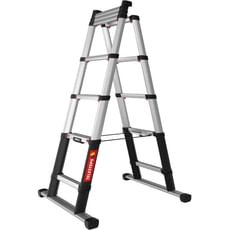
Straight telescopic ladders lean against walls or structures, ideal for accessing heights and working on vertical surfaces. A-frame or combination telescopic ladders can be used both as leaning ladders and freestanding stepladders, offering greater versatility. Combination models are particularly useful for interior work where wall support isn't available, though they're typically heavier and have a larger closed height due to the additional framework required.
How much weight can a telescopic ladder safely support?
Most professional-grade telescopic ladders available from Tooled-Up are rated to a safe working load of 150kg, which includes the combined weight of the user plus any tools and materials being carried. This capacity suits the vast majority of trade applications. Always check the specific weight rating for your chosen model and never exceed it, as doing so compromises the ladder's structural integrity and your safety.
Do telescopic ladders require any special maintenance?
Regular maintenance is straightforward but important. Clean the ladder after use, particularly the locking mechanisms and sliding sections, to prevent dirt accumulation that could impair function. Periodically apply a light silicone spray to sliding components to maintain smooth operation—avoid oil-based lubricants which attract dirt. Inspect locking mechanisms, rungs, and feet before each use, and store the ladder in a dry location away from corrosive substances. With proper care, quality telescopic ladders provide many years of reliable service.