

Temperature Attachments

Pay in 3 interest-free payments on purchases from £20-£3000 with  . Learn more.
 Loading...
End of content
Error - No more pages to load
About Temperature Attachments
Temperature attachments are precision accessories designed to transform standard heat guns into temperature-controlled tools capable of monitoring and regulating surface heat in real-time. These sophisticated attachments are essential for professionals and DIY enthusiasts who work with heat-sensitive materials where precise temperature control can mean the difference between a perfect finish and costly damage. By providing accurate temperature feedback during operation, these accessories eliminate guesswork and protect both your workpiece and your equipment.
The temperature attachment category at Tooled-Up.com features professional-grade detection accessories that mount directly onto compatible heat guns, creating an integrated temperature monitoring system. These attachments typically include digital displays and acoustic warning signals that alert users when surface temperatures move outside the optimal range. This constant feedback loop allows for precise heat application across a variety of tasks, from removing paint and varnish to shaping plastics, shrinking tubing, and thawing frozen pipes without causing thermal damage.
Modern temperature attachments represent a significant advancement in heat gun technology, bringing laboratory-level precision to everyday site work. Whether you're a vehicle wrapper working with delicate vinyl films, a flooring specialist applying heat-shrink materials, or a general tradesman tackling renovation projects, temperature detection accessories provide the confidence and control needed for professional results every time.
Jargon Buster
- Temperature Detection - A real-time monitoring system that measures the actual surface temperature of the workpiece rather than the air temperature output from the heat gun, providing accurate feedback for heat-sensitive applications.
- Acoustic Signal - An audible warning system built into temperature attachments that sounds when surface temperatures exceed or fall below preset parameters, allowing operators to maintain optimal working temperatures without constantly watching the display.
- Surface Temperature Monitoring - The process of continuously measuring the temperature of the material being heated rather than the tool itself, essential for preventing thermal damage to plastics, laminates, and other heat-sensitive substrates.
- Temperature Range - The minimum and maximum temperature thresholds that can be monitored by the attachment, typically spanning from ambient temperatures up to several hundred degrees Celsius depending on the model and application.
- Compatible Models - Specific heat gun models engineered to accept temperature detection attachments, usually featuring mounting points and integration systems that allow seamless attachment and removal of monitoring accessories.
- Digital Display - A visual readout on the temperature attachment showing real-time surface temperature readings, often colour-coded (red for too hot, green for optimal range) for quick interpretation during operation.
Who Uses Temperature Attachments?
- Vehicle Wrappers & Sign Makers - Professionals applying vinyl graphics and wraps who need precise temperature control to avoid bubbling or damaging adhesive films.
- Flooring Installers - Tradespeople working with vinyl flooring, heat-welded seams, and temperature-sensitive floor coverings that require controlled heat application.
- Plasterers & Decorators - Specialists using heat guns for paint stripping, varnish removal, and surface preparation where temperature control prevents substrate damage.
- Electronics & Electrical Engineers - Technicians working with heat-shrink tubing, component desoldering, and electronics assembly requiring precise temperature management.
- Automotive Body Shops - Panel beaters and paint technicians removing decals, drying body filler, and performing heat-based repairs on modern vehicles with heat-sensitive plastics and composites.
- Plumbers & Heating Engineers - Professionals thawing frozen pipes, bending plastic piping, and performing heat-related installations where temperature monitoring prevents material failure.
- Furniture Restorers - Craftspeople stripping finishes from antique furniture and working with delicate veneers that can be irreparably damaged by excessive heat.
- Marine & Boatbuilders - Specialists applying fibreglass, working with gel coats, and performing heat-sensitive repairs on composite materials commonly used in boat construction.
How to Choose the Right Temperature Attachments
Heat Gun Compatibility: The most critical factor is ensuring the temperature attachment is specifically designed for your heat gun model. Brands like Steinel produce attachments engineered to fit their compatible heat gun ranges precisely. Check the manufacturer's compatibility list before purchasing, as attachment mounting systems vary significantly between brands and model series.
Temperature Range Requirements: Consider the typical applications you'll be performing. Different materials require different temperature thresholds - vinyl wrapping typically needs monitoring between 60-120°C, whilst paint stripping may require monitoring up to 300°C or higher. Select an attachment with a temperature range appropriate for your most common tasks.
Display Type and Readability: Digital displays vary in size, clarity, and information presentation. Tooled-Up stocks attachments with colour-coded displays that provide at-a-glance status indication. Consider working conditions - if you operate in bright outdoor environments, ensure the display remains visible in direct sunlight. Backlit displays offer advantages for dim workshop conditions.
Acoustic Warning Systems: Quality temperature attachments feature adjustable acoustic signals that alert you to temperature variations without requiring constant visual monitoring. This hands-free warning system is invaluable when working in awkward positions or when your attention needs to remain on the workpiece rather than the display.
Build Quality and Durability: Professional-grade attachments constructed from heat-resistant materials with robust mounting mechanisms will withstand daily site use. Consider the operating environment - attachments used in demanding commercial applications require more substantial construction than occasional DIY use.
Power Supply: Most temperature attachments draw power directly from the compatible heat gun through integrated connections, eliminating the need for separate batteries or 240v power sources. Verify the power arrangement and whether any additional accessories are required for operation.
Popular Accessories
- Heat Gun Nozzles - Specialised nozzle attachments including reduction nozzles, reflector nozzles, and flat nozzles that work alongside temperature detection systems for specific applications.
- Heat-Resistant Gloves - Professional PPE providing thermal protection when operating heat guns with temperature monitoring attachments in close-proximity applications.
- Scrapers & Stripping Tools - Paint scrapers, putty knives, and specialist stripping tools used in conjunction with temperature-controlled heat guns for surface preparation work.
- Heat Gun Stands - Secure mounting stands that hold heat guns in stationary positions during hands-free operation with temperature monitoring.
- Replacement Heating Elements - Spare heating elements for compatible heat gun models to maintain optimal performance of your temperature-controlled system.
- Carrying Cases - Purpose-designed storage cases accommodating heat guns along with temperature attachments and associated accessories for organised transportation between job sites.
Safety Information
Thermal Hazards: Temperature attachments monitor surface heat but do not eliminate burn risks. Always wear appropriate heat-resistant gloves and eye protection when operating heat guns with temperature detection systems. The attachment monitors the workpiece temperature, but the heat gun nozzle and surrounding components remain extremely hot during and immediately after use.
Electrical Safety: Ensure your heat gun and temperature attachment combination is suitable for UK 240v power supply and connected via a properly earthed 13A plug. Never operate temperature monitoring equipment with damaged power cables, and always disconnect from mains power before attaching or removing temperature detection accessories.
Calibration and Accuracy: Temperature attachments require correct positioning to provide accurate readings. Follow manufacturer guidelines for optimal sensor placement relative to the workpiece surface. Inaccurate readings due to improper positioning can result in thermal damage despite monitoring being in place.
Ventilation Requirements: When using temperature-controlled heat guns for paint stripping, adhesive removal, or work with synthetic materials, ensure adequate ventilation compliant with HSE guidelines. Temperature monitoring controls heat but doesn't eliminate fumes from heated materials.
Surface Awareness: Temperature attachments measure surface temperature at the point of contact or detection. Be aware that heat distribution may not be uniform across the entire workpiece, and localized hot spots can develop beyond the monitored area during prolonged heat application.
Frequently Asked Questions
Q: Will a temperature attachment fit any heat gun?
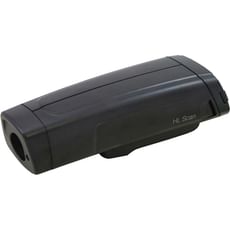
A: No, temperature attachments are model-specific accessories designed to fit particular heat gun ranges. For example, Steinel's HL SCAN attachment is specifically engineered for models including the HG 2320 E, HG 2120 E, HL 2020 E, and HL 1920 E. Always verify compatibility with your specific heat gun model before purchasing.
Q: How accurate are temperature detection attachments?
A: Professional-grade temperature attachments typically provide accuracy within ±5-10°C when correctly positioned. Accuracy depends on proper sensor placement, distance from the workpiece surface, and ambient conditions. For most trade applications, this level of precision is more than adequate to prevent thermal damage to heat-sensitive materials.
Q: Can I use a temperature attachment for all heat gun applications?
A: Temperature attachments are most beneficial for applications involving heat-sensitive materials where precise temperature control is critical - such as vinyl wrapping, plastic welding, and delicate paint stripping. For basic applications like general paint removal from masonry or metal thawing, the additional monitoring may not be necessary, though it always provides extra protection against overheating.
Q: Do temperature attachments require calibration or maintenance?
A: Most temperature detection attachments are factory-calibrated and require minimal maintenance beyond keeping the sensor area clean and free from debris. However, if dropped or subjected to impact, professional recalibration may be necessary to maintain accuracy. Always follow the manufacturer's maintenance guidelines provided with your specific attachment.
Q: Does using a temperature attachment affect the heat gun's performance?
A: Quality temperature attachments are designed to integrate seamlessly with compatible heat guns without restricting airflow or reducing heating performance. The attachment monitors temperature without interfering with the tool's operation, though the physical presence of the attachment may slightly alter the heat pattern compared to using the heat gun with a standard nozzle.