

Thermal Underwear

Pay in 3 interest-free payments on purchases from £20-£3000 with  . Learn more.
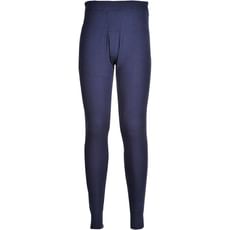
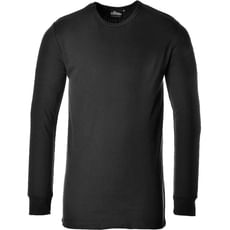
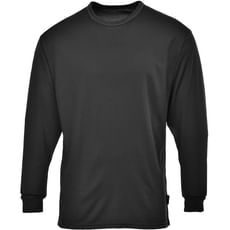
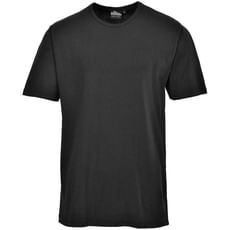
 Loading...
End of content
Error - No more pages to load
About Thermal Underwear
Thermal underwear, also known as base layers or thermal base layers, provides essential insulation for tradespeople, outdoor workers, and professionals who face cold working conditions. These specialised garments are designed to be worn next to the skin, trapping body heat while wicking away moisture to keep the wearer warm, dry, and comfortable throughout the working day. Modern thermal underwear combines advanced technical fabrics with ergonomic design to deliver superior performance without restricting movement or adding unnecessary bulk under work clothing.
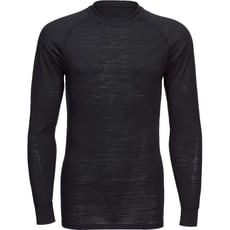
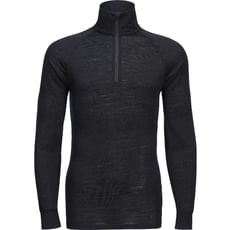
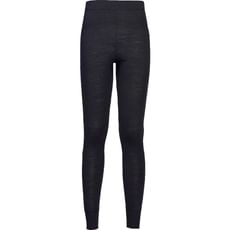
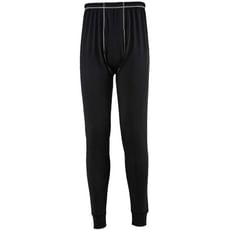
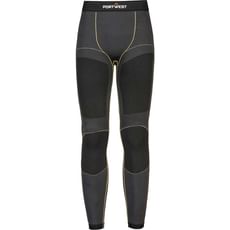
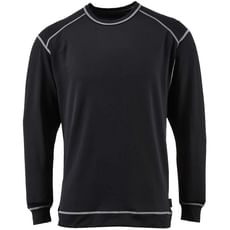
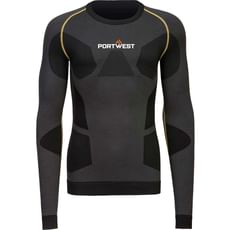
The thermal underwear available from Tooled-Up.com includes a comprehensive range of baselayer tops, leggings, and thermal t-shirts from leading workwear brands including Portwest, Snickers, Scruffs, and Modaflame. These garments feature various performance enhancements such as antibacterial treatments, moisture-wicking technology, merino wool construction, and specialised options including flame-resistant and anti-static base layers for high-risk environments. From lightweight dynamic air systems for active workers to heavyweight thermal protection for static outdoor roles, thermal underwear serves as the foundation of effective layering systems that help maintain optimal body temperature in challenging conditions.
Quality thermal base layers offer benefits beyond simple warmth, including odour control, quick-drying properties, flatlock seams to prevent chafing, and elasticated waistbands that stay in place during physical work. Many professional thermal garments also incorporate hi-vis elements, zip pockets for secure storage, and ribbed cuffs to seal in heat. Whether working on construction sites, in cold storage facilities, on outdoor maintenance projects, or in unheated workshops during winter months, appropriate thermal underwear significantly improves comfort, concentration, and productivity.
Jargon Buster
- Base Layer: The first layer of clothing worn directly against the skin, designed to regulate temperature and manage moisture without adding bulk under outer garments.
- Moisture Wicking: The ability of a fabric to draw perspiration away from the skin to the outer surface where it can evaporate, keeping the wearer dry and preventing heat loss through dampness.
- Antibacterial Treatment: A fabric finish that inhibits bacterial growth, reducing odour development and allowing thermal garments to be worn for extended periods between washes.
- Merino Wool: A natural fibre from merino sheep that provides exceptional warmth-to-weight ratio, natural odour resistance, moisture management, and comfort without the itchiness of traditional wool.
- Flame Resistant (FR): Fabrics treated or manufactured to resist ignition and self-extinguish when exposed to flames, essential for workers in welding, electrical, or petrochemical environments where flash fire risks exist.
- Anti-Static: Properties that prevent the build-up of static electricity, crucial in environments with flammable atmospheres or sensitive electronic equipment where static discharge could cause ignition or damage.
Who Uses Thermal Underwear?
Thermal underwear is essential workwear for numerous trades and professions:
- Construction Workers: Site operatives, labourers, and supervisors working outdoors during autumn and winter months
- Scaffolders: Workers exposed to wind chill at height with limited shelter from the elements
- Roofers: Tradespeople working on exposed rooftops in cold and windy conditions
- Groundworkers: Excavation and landscaping professionals working outdoors year-round
- Agricultural Workers: Farmers and estate managers working early mornings and in all weather conditions
- Cold Storage Operatives: Warehouse staff and forklift drivers working in refrigerated or frozen environments
- Delivery Drivers: Couriers and logistics workers entering and exiting unheated vehicle cabs repeatedly
- Maintenance Engineers: Technicians working on outdoor equipment, HVAC systems, or in unheated plant rooms
- Electricians and Plumbers: Tradespeople working in unheated properties, loft spaces, and outdoor installations
- Security Personnel: Guards and patrol officers conducting outdoor duties during night shifts
- Utility Workers: Gas, electric, and water engineers working on external infrastructure
- Welders and Fabricators: Professionals requiring flame-resistant base layers beneath protective outerwear
How to Choose the Right Thermal Underwear
Activity Level: Consider your work intensity. Lightweight, breathable base layers with dynamic air technology suit active roles involving physical labour, whilst heavier thermal options provide better insulation for static outdoor work or cold storage environments where movement is limited.
Temperature Conditions: Match the thermal rating to your working environment. Standard thermal underwear suits typical UK winter conditions (0-10°C), whilst specialist cold storage base layers handle sub-zero temperatures. For mild conditions, a thermal t-shirt may suffice without full leggings.
Material Composition: Synthetic fabrics like polyester offer excellent moisture-wicking and quick-drying properties at lower cost, whilst merino wool provides superior natural odour resistance and temperature regulation with enhanced comfort. Cotton-blend options offer softness but dry more slowly.
Workplace Hazards: Select flame-resistant and anti-static thermal underwear for welding, electrical work, or environments with explosive atmospheres. The Tooled-Up range includes Modaflame base layers that maintain inherent protective properties even after repeated washing, ensuring compliance with safety regulations.
Fit and Comfort: Thermal underwear should fit snugly without constriction, allowing full range of movement. Look for flatlock seams to prevent chafing, elasticated waistbands that stay in place, and ribbed cuffs that seal against wrists and ankles. Consider crew neck, quarter-zip, or long-sleeve designs based on personal preference and compatibility with outer layers.
Durability Features: Professional-grade thermal base layers incorporate antibacterial treatments for extended wear between washes, reinforced stitching at stress points, and fabrics that maintain their insulating properties and shape after industrial laundering.
Additional Requirements: Some roles benefit from specialist features such as hi-vis elements for roadside work, zip pockets for securing small items, or specific colour requirements. Portwest offers various technical enhancements across their thermal underwear collection to meet diverse professional needs.
Popular Accessories
- Thermal Socks: Insulated work socks to complement base layer systems and prevent heat loss through extremities
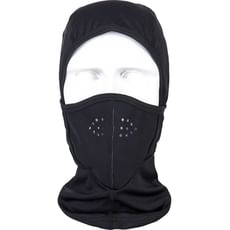
- Balaclavas and Neck Warmers: Head and neck protection to complete thermal layering and prevent heat escape
- Mid-Layer Fleeces: Insulating second layer to wear over thermal underwear beneath work jackets
- Softshell Jackets: Breathable outer layer that works with base layers to create effective thermal protection
- Thermal Gloves: Insulated hand protection compatible with thermal layering systems
- Waterproof Jackets: Weather protection to shield thermal layers from wind and precipitation
- Work Trousers with Thermal Lining: Insulated legwear to complement thermal leggings in extreme conditions
- Thermal Boot Insoles: Additional foot insulation to prevent cold transfer through work boots
Frequently Asked Questions
How should thermal underwear fit?
Thermal base layers should fit snugly against the skin without being tight or restrictive. A close fit is essential for effective moisture wicking and heat retention, but you should maintain full range of movement for climbing, bending, and reaching. The garment shouldn't bunch up under outer clothing or leave gaps where cold air can enter. If you're between sizes, consider your typical activity level – choose the smaller size for active work where moisture management is crucial, or the larger size for static roles where comfort is the priority.
Can I wear thermal underwear under PPE or flame-resistant workwear?
Standard thermal underwear can be worn under most PPE and workwear, but specific environments require certified flame-resistant base layers. For welding, electrical work, or petrochemical industries, choose thermal underwear that meets relevant EN standards for flame resistance and anti-static properties. Regular synthetic base layers may melt when exposed to heat or flames, potentially causing severe injuries. Tooled-Up stocks Modaflame thermal base layers specifically designed for high-risk environments where inherent flame protection is mandatory.
How do I care for thermal underwear to maintain performance?
Wash thermal base layers according to manufacturer instructions, typically at 30-40°C using non-biological detergent. Avoid fabric softeners as they coat fibres and reduce moisture-wicking effectiveness. Air drying is preferable, though many professional thermal garments tolerate low-temperature tumble drying. For antibacterial-treated base layers, proper washing maintains the treatment's effectiveness. Merino wool thermal underwear requires gentler washing at lower temperatures and should always be air dried to prevent shrinkage and maintain the natural fibre structure.
What's the difference between thermal underwear and regular base layers?
Thermal underwear specifically emphasises heat retention and insulation for cold conditions, typically using thicker fabrics, brushed interiors, or materials like merino wool that trap warm air effectively. Regular base layers focus primarily on moisture management for athletic or mild-weather use with lighter fabrics. Thermal base layers designed for professional use combine both properties – providing substantial warmth whilst still wicking perspiration away during physical work, preventing the dangerous cooling effect of damp clothing in cold environments.
How many sets of thermal underwear do I need for regular work use?
Most tradespeople working outdoors during winter require at least two to three complete sets (tops and leggings) to maintain hygiene and ensure availability whilst laundering. For roles in extremely cold environments like cold storage facilities, or where high activity levels cause frequent perspiration, four to five sets allow proper rotation. High-quality thermal base layers with antibacterial treatments can be worn for longer periods between washes compared to standard underwear, though daily changing remains advisable for comfort and hygiene. Consider purchasing additional thermal t-shirts for milder days when full base layer systems aren't necessary.