

Thermometers

Pay in 3 interest-free payments on purchases from £20-£3000 with  . Learn more.

 Loading...
End of content
Error - No more pages to load
About Thermometers
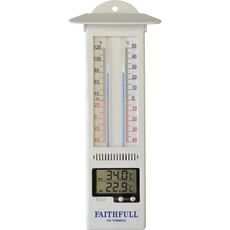
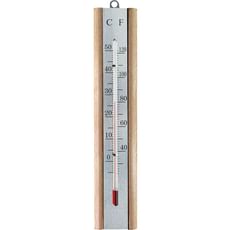
Accurate temperature measurement is essential across numerous professional trades and DIY applications, from HVAC installation and automotive diagnostics to food preparation and environmental monitoring. The thermometer selection at Tooled-Up.com encompasses a comprehensive range of temperature measurement tools, including digital thermometers, infrared non-contact models, probe thermometers, and traditional wall-mounted units. These instruments provide reliable readings across various temperature ranges, with many models offering advanced features such as min/max memory functions, programmable alarms, and dual-unit displays showing both Celsius and Fahrenheit.
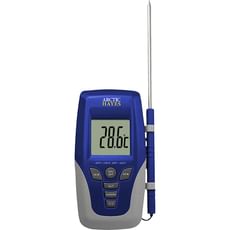
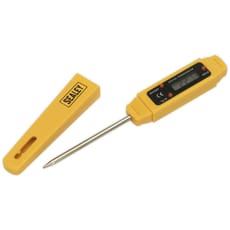
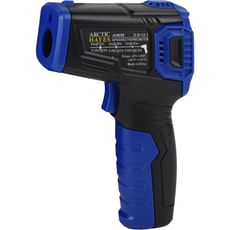
Modern digital thermometers have revolutionised temperature measurement for tradespeople, offering rapid readings, enhanced accuracy, and improved durability compared to traditional mercury or alcohol-based units. Infrared thermometers provide non-contact temperature measurement, making them ideal for checking electrical components, pipe work, and inaccessible surfaces without physical contact. Stem thermometers with stainless steel probes remain popular for applications requiring immersion in liquids or insertion into materials, whilst compact digital models with external temperature probes suit automotive and HVAC diagnostics perfectly.
The range available from Tooled-Up.com includes trusted brands such as Faithfull, Arctic Hayes, Sealey, and Draper, each offering thermometers designed for specific professional applications. From basic wall thermometers for workshops and storage areas to sophisticated 3-in-1 infrared models with multiple measurement modes, these instruments cater to varying accuracy requirements, temperature ranges, and working environments encountered by tradespeople across the UK.
Jargon Buster
- Infrared (IR) Thermometer: A non-contact temperature measurement device that detects thermal radiation emitted by objects. These thermometers measure surface temperatures from a distance without requiring physical contact, making them ideal for hot, moving, or electrically live surfaces.
- Temperature Range: The minimum and maximum temperatures a thermometer can accurately measure, typically expressed in degrees Celsius (°C) or Fahrenheit (°F). Professional thermometers commonly offer ranges from -50°C to +150°C or wider, depending on application requirements.
- Min/Max Function: A memory feature that records and displays the lowest and highest temperatures detected during a measurement period. This function proves particularly useful for monitoring temperature fluctuations in storage areas, refrigeration systems, or heating installations.
- Probe Thermometer: A temperature measurement device featuring a metal stem or wire probe that makes direct contact with the material being measured. Probe lengths vary from compact 100mm stems to extended cables for reaching inaccessible locations.
- Response Time: The duration required for a thermometer to register and display an accurate temperature reading after exposure to the measurement environment. Digital thermometers typically offer faster response times than analogue models.
- Emissivity: A material property affecting infrared temperature readings, representing how efficiently a surface emits thermal radiation. Some advanced IR thermometers allow emissivity adjustment for measuring different materials accurately.
Who Uses Thermometers?
- Heating Engineers and Gas Fitters: Checking system temperatures, diagnosing faults, and verifying radiator and boiler performance
- Air Conditioning Technicians: Measuring air temperatures, checking refrigerant lines, and diagnosing HVAC system issues
- Electricians: Identifying overheating components, checking cable temperatures, and preventing electrical failures
- Motor Mechanics and Auto Electricians: Diagnosing engine cooling systems, checking exhaust temperatures, and identifying overheating components
- Plumbers: Verifying water temperatures, checking pipe work, and ensuring heating systems operate within safe parameters
- Food Service Professionals: Monitoring food storage temperatures, checking cooking temperatures, and maintaining food safety standards
- Building Surveyors and Property Inspectors: Identifying heat loss, detecting moisture problems, and assessing insulation effectiveness
- Warehouse and Facilities Managers: Monitoring environmental conditions in storage areas and ensuring proper climate control
- DIY Enthusiasts and Homeowners: Checking home heating systems, monitoring room temperatures, and maintaining comfortable living environments
How to Choose the Right Thermometers
Measurement Method: Consider whether contact or non-contact measurement suits your application best. Infrared thermometers excel at checking surface temperatures quickly without touching hot or dangerous surfaces, whilst probe thermometers provide accurate readings for liquids, semi-solids, and internal temperatures requiring direct contact.
Temperature Range Requirements: Match the thermometer's measurement range to your specific applications. Basic workshop thermometers typically cover -10°C to +50°C, whilst professional models extend from -50°C to +150°C or beyond for industrial applications involving extreme temperatures.
Accuracy and Resolution: Professional diagnostic work demands higher accuracy levels (±0.5°C or better) compared to general environmental monitoring. Digital thermometers generally offer superior accuracy and finer resolution than analogue models, displaying temperatures to one decimal place where precision matters.
Response Time and Display: Fast response times prove essential when taking multiple measurements quickly. Digital displays with backlit screens enhance readability in poorly lit workshops or engine bays, whilst large numerals benefit users working at arm's length or in awkward positions.
Additional Features: Min/max memory functions help track temperature fluctuations over time, programmable alarms alert users when temperatures exceed safe limits, and auto power-off features conserve battery life. Consider whether data logging or connectivity features would benefit documentation requirements for professional installations.
Durability and Protection: Thermometers used on site require robust construction with protective cases or sleeves. Check IP ratings for moisture and dust protection if working in damp environments, and ensure probe materials resist corrosion from chemicals or cleaning agents encountered in your trade.
Popular Accessories
- Replacement Probes: Spare temperature probes in various lengths and diameters for different measurement applications
- Protective Cases and Sleeves: Padded storage cases protecting delicate instruments from workshop knocks and site damage
- Calibration Solutions: Reference standards for verifying thermometer accuracy and maintaining measurement confidence
- Replacement Batteries: Spare button cells or AAA batteries ensuring continuous operation during critical measurements
- Magnetic Backs and Mounting Brackets: Accessories for securing wall thermometers to metal surfaces or permanent locations
- Probe Extension Cables: Allowing temperature measurement in confined spaces or at increased distances from the display unit
Frequently Asked Questions
What's the difference between a contact and infrared thermometer?
Contact thermometers require physical contact with the surface or material being measured, using probes or stems that conduct heat to the sensor. Infrared thermometers measure temperature remotely by detecting thermal radiation, allowing non-contact measurement of hot, moving, or electrically live surfaces. Contact thermometers generally provide more accurate readings for liquids and internal temperatures, whilst infrared models excel at quick surface measurements and situations where contact proves impractical or dangerous.
How accurate are digital thermometers compared to traditional models?
Quality digital thermometers typically offer accuracy within ±0.5°C to ±1.5°C, significantly outperforming most analogue mercury or alcohol thermometers which may drift over time. Digital models also provide faster response times, easier reading with clear numerical displays, and additional features like min/max memory. However, accuracy depends on proper calibration, battery condition, and correct usage according to manufacturer specifications.
Can infrared thermometers measure through glass or transparent materials?
Infrared thermometers cannot accurately measure temperatures through glass, perspex, or other transparent materials because these substances reflect or absorb infrared radiation rather than transmitting it. The thermometer will typically measure the surface temperature of the glass itself rather than the object behind it. For measuring through barriers, use contact probe thermometers or take measurements with direct line-of-sight to the target surface.
Do thermometers require calibration or maintenance?
Digital thermometers generally require minimal maintenance beyond battery replacement and keeping sensors clean. For professional use where accuracy proves critical, periodic calibration verification using ice water (0°C) or boiling water (100°C at sea level) ensures continued accuracy. Some trades require formal calibration certificates for compliance with quality standards, necessitating professional calibration services at regular intervals. Always store thermometers in protective cases away from extreme temperatures and moisture to maintain accuracy and longevity.
What temperature range do I need for typical trade applications?
Most heating and plumbing applications require thermometers measuring from around -20°C to +100°C, covering frozen pipes through to hot water systems. HVAC engineers benefit from wider ranges (-50°C to +150°C) for refrigerant lines and heating systems. Automotive diagnostics may require even higher ranges for exhaust systems, whilst basic workshop environmental monitoring needs only -10°C to +50°C. Consider your specific trade requirements and choose a thermometer offering adequate range with a safety margin beyond your typical working temperatures.