

Thread Cutting Oil

Pay in 3 interest-free payments on purchases from £20-£3000 with  . Learn more.
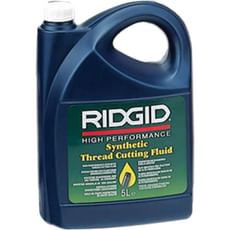
 Loading...
End of content
Error - No more pages to load
About Thread Cutting Oil
Thread cutting oil is a specialised lubricant designed to facilitate the cutting, tapping and threading of metal pipes and components. When threading operations are performed without proper lubrication, the process generates excessive heat, increases tool wear and produces poor-quality threads. High-quality thread cutting oil reduces friction between the cutting tool and workpiece, dissipates heat effectively, and helps to flush away metal chips, resulting in cleaner, more precise threads and significantly extended tool life.
Professional thread cutting oils are formulated specifically for metalworking applications, offering superior lubrication properties compared to general-purpose oils. They create a protective film between the cutting die and the metal surface, reducing the torque required to cut threads and preventing material from welding to the cutting edges. The selection available at Tooled-Up.com includes mineral-based formulations suitable for use with all types of threading machines, from handheld pipe threaders to larger stationary units commonly found in plumbing and mechanical workshops.
Modern thread cutting oils are engineered to meet stringent environmental and health regulations. Many formulations are now free from chlorine, halogens, PCBs and heavy metals, making them safer for operators whilst still delivering exceptional cutting performance. Available in convenient container sizes ranging from one to five litres, these oils are essential consumables for any professional engaged in pipe threading, conduit work or general metalworking operations.
Jargon Buster
- Extreme Pressure (EP) Additives: Chemical compounds added to cutting oils that react under high pressure and temperature to form a protective layer, preventing metal-to-metal contact during heavy-duty threading operations.
- Viscosity: The thickness or flow resistance of the oil. Thread cutting oils require appropriate viscosity to cling to vertical surfaces and remain in the cutting zone whilst still allowing efficient chip evacuation.
- Halogen-Free: Formulations that contain no chlorine, fluorine, bromine or iodine. These substances can produce harmful fumes when heated and are increasingly restricted, making halogen-free oils preferable for operator safety.
- Mineral-Based: Cutting oils derived from refined petroleum products, as opposed to synthetic or vegetable-based alternatives. Mineral oils offer excellent lubrication and are compatible with most metals and threading equipment.
- Threading Torque: The rotational force required to cut threads into pipe or metal stock. Quality thread cutting oil substantially reduces threading torque, making operations easier and reducing strain on equipment motors.
- Chip Evacuation: The process of flushing metal particles away from the cutting zone. Effective cutting oils suspend these chips and carry them away, preventing them from damaging threads or clogging dies.
Who Uses Thread Cutting Oil?
Thread cutting oil is an essential consumable for various trades and industries:
- Plumbers and Heating Engineers: For threading steel and copper pipes in central heating systems, gas installations and water supply networks
- Electricians: When threading steel conduit for electrical installations in commercial and industrial settings
- Mechanical Engineers: For precision threading operations in machinery manufacture, maintenance and repair
- Pipefitters and Welders: When working with heavy-gauge pipes in industrial, petrochemical and construction environments
- HVAC Installers: For threading pipes used in air conditioning and ventilation systems
- Maintenance Technicians: In factories, workshops and facilities where machinery repair involves threading operations
- Agricultural Engineers: When fabricating or repairing irrigation systems and farm equipment
- DIY Enthusiasts: Undertaking home plumbing projects or workshop metalworking that requires threading
How to Choose the Right Thread Cutting Oil
Selecting appropriate thread cutting oil ensures optimal results and equipment longevity. Consider these key factors:
Material Compatibility: Verify that the oil is suitable for the metals you work with most frequently. Most mineral-based formulations work well with steel, stainless steel, copper and brass, but always check manufacturer specifications for specialist applications.
Machine Type: Ensure compatibility with your threading equipment. The Tooled-Up range includes oils specifically formulated for power threading machines from brands like Ridgid, but most quality oils work across different equipment types.
Health and Safety Standards: Choose formulations compliant with COSHH regulations and free from harmful substances. Halogen-free, PCB-free and heavy metal-free oils minimise health risks whilst maintaining cutting performance.
Container Size: Match volume to your usage patterns. Light users may prefer one-litre bottles for easier handling and storage, whilst busy workshops benefit from five-litre containers offering better value and reduced packaging waste.
Performance Characteristics: Look for oils that specifically mention reduced threading torque, improved thread quality and extended tool life. These performance indicators demonstrate effective formulation for professional applications.
Temperature Range: Consider the working conditions. Quality thread cutting oils maintain viscosity and lubrication properties across a range of ambient temperatures commonly encountered on building sites and workshops.
Popular Accessories
Thread cutting operations typically require several complementary products and accessories:
- Threading Dies and Die Heads: The cutting components that form the threads, available in various sizes and thread standards (BSP, NPT, metric)
- Pipe Threading Machines: Power tools from brands like Ridgid, designed specifically for cutting accurate threads on pipes
- Pipe Vices and Stands: For securely holding workpieces during threading operations
- Reamers and Deburring Tools: To prepare pipe ends before threading and remove burrs afterwards
- Thread Sealants and PTFE Tape: For sealing threaded connections once assembly is complete
- Pipe Cutters: For preparing pipe sections to the correct length before threading
- Oil Application Bottles and Brushes: For convenient and precise application of cutting oil
- Drip Trays and Spill Containment: To collect excess oil and maintain a clean, safe working environment
- Cleaning Rags and Absorbent Materials: For wiping down equipment and finished threads
Safety Information
Thread cutting oils require proper handling to ensure operator safety and environmental protection:
Personal Protective Equipment: Always wear appropriate PPE including safety glasses to protect against metal chips, and gloves to prevent prolonged skin contact with cutting oil. Although modern formulations are significantly safer, avoiding direct skin exposure minimises the risk of dermatitis and irritation.
Ventilation: Ensure adequate ventilation in the work area, particularly when threading operations generate heat. Whilst halogen-free oils produce fewer harmful fumes than older formulations, good airflow remains important for operator comfort and safety.
Storage: Keep thread cutting oil in its original container, tightly sealed and stored away from heat sources and direct sunlight. Maintain storage temperatures within manufacturer recommendations to preserve oil properties.
Disposal: Used cutting oil is classified as hazardous waste under UK regulations and must not be poured down drains or disposed of with general refuse. Collect used oil in suitable containers and arrange disposal through licensed waste carriers in accordance with Environmental Protection Act requirements.
Fire Safety: Although mineral-based cutting oils are not classified as highly flammable, they can contribute to fire spread. Keep away from ignition sources and have appropriate fire extinguishers available in the work area.
First Aid: In case of eye contact, rinse immediately with water for at least 15 minutes and seek medical attention. If swallowed, do not induce vomiting; seek medical advice immediately. Wash skin thoroughly after contact.
Frequently Asked Questions
Can I use ordinary engine oil or WD-40 instead of proper thread cutting oil?
No, general-purpose lubricants lack the extreme pressure additives and specific viscosity required for effective thread cutting. Engine oil cannot dissipate heat adequately or provide sufficient lubrication under the intense pressures of threading operations. Using improper lubricants results in poor thread quality, excessive tool wear and increased threading torque, potentially damaging expensive dies and threading equipment. Purpose-formulated cutting oil represents a small investment compared to the cost of replacement dies and repairs.
How much thread cutting oil should I use per threading operation?
Apply oil generously to ensure complete coverage of both the die head and the pipe surface. The cutting zone should remain continuously lubricated throughout the operation. Most professionals apply oil before starting, then reapply periodically during longer cuts. Excessive oil is preferable to insufficient lubrication—any excess simply drains away and can be collected for disposal. A five-litre container typically provides several hundred threading operations, depending on pipe diameter and material.
Does thread cutting oil have a shelf life?
When stored correctly in sealed containers away from temperature extremes, mineral-based thread cutting oil typically maintains its effectiveness for several years. However, always check the manufacturer's recommendations. If oil appears cloudy, has separated, or has developed an unusual odour, it may have degraded and should be replaced. Proper storage in a workshop environment with moderate temperatures extends shelf life considerably.
Is thread cutting oil safe to use on stainless steel?
Yes, quality mineral-based cutting oils are suitable for stainless steel threading. Stainless steel is actually more challenging to thread than mild steel due to its tendency to work-harden and generate more heat, making proper lubrication even more critical. The extreme pressure additives in professional thread cutting oil are essential when working with stainless steel to prevent galling (metal-to-metal welding) and ensure clean, accurate threads.
Can thread cutting oil be reused or recycled?
Whilst some large industrial operations filter and recycle cutting oils, this is generally impractical for smaller workshops. Thread cutting oil becomes contaminated with metal particles, debris and moisture during use, which reduces its effectiveness. The relatively low cost of fresh oil compared to filtration systems makes single-use more economical for most tradespeople. However, used oil should always be collected and disposed of responsibly through licensed waste carriers rather than being discarded inappropriately.