

Thread Repair Tools

Pay in 3 interest-free payments on purchases from £20-£3000 with  . Learn more.





 Loading...
End of content
Error - No more pages to load
About Thread Repair Tools
Thread repair tools are essential equipment for restoring damaged or worn threads on bolts, nuts, threaded holes and other fasteners. Whether dealing with stripped threads caused by over-tightening, cross-threading, corrosion or general wear, the right thread repair solution can save components from being scrapped and avoid costly replacements. These tools range from simple thread restorers and die nuts for cleaning up minor damage, through to comprehensive thread insert systems that create brand-new internal threads in oversized holes.
The thread repair tools available at Tooled-Up.com include adjustable thread restorers with HSS blades that can handle metric threads from M4 to M45, thread cleaners for precision work on both internal and external threads, and various threading tools for cutting, chasing and cleaning threads. For more severe damage, thread repair kits provide complete solutions with drill bits, taps, inserts and installation tools all in one package. Thread cutting oils and lubricants are also available to ensure smooth, accurate thread cutting and to extend tool life during repair work.
Professional-grade thread repair tools from brands like Draper and Noga offer durability and precision for workshop and on-site applications. Whether you're a mobile mechanic working on vehicle repairs, a maintenance engineer dealing with industrial machinery, or a tradesperson encountering damaged fixings on site, having the right thread repair equipment to hand can mean the difference between a quick fix and extended downtime.
Jargon Buster
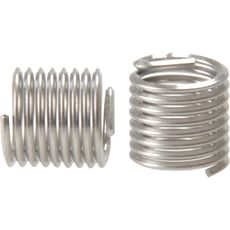
- Thread Insert (Helicoil) - A coiled wire insert installed into an oversized tapped hole to create a new internal thread matching the original size. Provides stronger threads than the parent material in many cases.
- Die Nut - A rethreading die designed specifically for repairing damaged external threads on bolts and studs. Features a tapered lead-in to help start on damaged threads.
- Thread Chaser - A tool similar to a tap or die but designed to clean and restore existing threads rather than cut new ones. Removes less material than standard cutting tools.
- HSS (High-Speed Steel) - A hardened tool steel alloy used for thread restorer blades and cutting tools. Maintains its hardness and cutting edge even under high friction and heat.
- Pitch - The distance between corresponding points on adjacent threads, measured in millimetres for metric threads or threads per inch (TPI) for imperial threads.
- Thread Profile - The cross-sectional shape of a thread, with common types including metric (60-degree angle), Whitworth, UNC and UNF.
Who Uses Thread Repair Tools?
- Motor Mechanics and Vehicle Technicians - repairing damaged threads in engine blocks, gearboxes, suspension components and exhaust systems
- Plant and Machinery Fitters - maintaining industrial equipment, agricultural machinery and construction plant where thread damage is common
- Maintenance Engineers - carrying out repairs on production machinery, HVAC systems and building services equipment
- General Engineers and Fabricators - restoring threads in steel, aluminium and cast iron components during manufacturing and repair work
- Plumbers and Heating Engineers - dealing with damaged pipe threads and fixings on radiators, boilers and pipework
- Aircraft and Marine Engineers - performing critical thread repairs where replacement components may be expensive or difficult to source
- Electricians - repairing damaged threads in metal enclosures, switchgear and mounting hardware
- Mobile Engineers and Breakdown Services - providing on-site thread repair solutions to minimise downtime
- DIY Enthusiasts and Home Mechanics - tackling thread damage on vehicles, machinery and household equipment
How to Choose the Right Thread Repair Tools
Assess the Damage Type: Minor damage, corrosion or debris build-up can often be resolved with thread chasers, restorers or cleaning files. These tools remove minimal material and work well when the underlying thread form is still intact. For severely damaged or stripped threads, thread insert systems provide a permanent solution by creating an entirely new threaded hole.
Internal vs External Threads: External threads on bolts and studs can be repaired using die nuts or adjustable thread restorers. Internal threads in tapped holes require different approaches – thread chasers or taps for minor repairs, or drill-and-insert kits for severe damage. Consider whether you need tools for one type or a comprehensive set covering both.
Thread Size and Type: Check the thread specifications you'll be working with most frequently. Adjustable thread restorers offer versatility across a wide range of metric sizes (typically M4 to M45), whilst individual die nuts and taps are size-specific. Tooled-Up stocks tools for both metric and imperial thread standards, so ensure compatibility with your applications.
Material Considerations: The parent material influences tool selection. HSS cutting tools handle most steels and softer metals, but harder materials or frequent use may justify carbide-tipped options. Thread cutting oil is essential for achieving clean threads and preventing tool wear, particularly in tougher materials like stainless steel.
Kit vs Individual Tools: Thread repair kits provide excellent value and convenience, including matched drill bits, taps, inserts and installation tools in one package. This ensures all components are compatible and eliminates guesswork. However, if you regularly work with specific thread sizes, investing in quality individual tools may prove more economical long-term.
Application Environment: Mobile mechanics and site workers benefit from compact, adjustable tools that cover multiple sizes without carrying extensive kit. Workshop-based engineers may prefer comprehensive sets with dedicated tools for each size, offering maximum precision and efficiency.
Popular Accessories
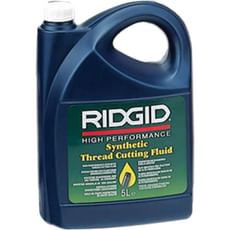
- Thread Cutting Oil and Lubricants - essential for clean thread cutting, improved surface finish and extended tool life
- Drill Bits (HSS and Cobalt) - for drilling out damaged threads to accept inserts or create new oversized threaded holes
- Tap and Die Sets - complementary tools for cutting new threads or enlarging existing holes
- Screw Extractors - for removing broken bolts and studs before thread repair work can commence
- Thread Gauges - for accurately identifying thread pitch and profile before selecting repair tools
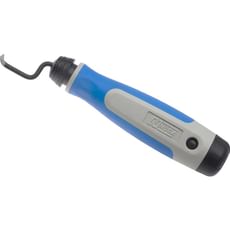
- Deburring Tools - for cleaning up holes and removing sharp edges after drilling operations
- Engineers Files - including thread restoring files for detailed work on damaged threads
- Penetrating Oil and Release Sprays - for freeing seized fasteners before attempting thread repair
- Thread Locking Compounds - for securing repaired threads and preventing future loosening
Safety Information
Eye Protection: Always wear safety glasses or goggles when using thread repair tools. Metal particles, swarf and cutting oil can cause serious eye injuries. Sharp burrs created during drilling and tapping operations pose particular risks.
Hand Protection: Use appropriate gloves when handling components and tools. Thread repair work involves sharp edges, hot metal (if drilling at speed) and cutting oils that may irritate skin. Ensure gloves don't present entanglement hazards with rotating tools.
Secure Workpieces: Always secure components in a vice or suitable work-holding device before attempting thread repair. Hand-holding workpieces whilst using taps, dies or restorers can result in injuries if tools bind or slip.
Correct Tool Selection: Using the wrong size or type of thread repair tool can damage components further and cause tool breakage. Broken taps are particularly difficult to remove and may render components unusable. Always verify thread specifications before starting work.
Avoid Cross-Threading: Take care when starting taps, die nuts and thread restorers to ensure correct alignment. Cross-threading causes additional damage and may break tools, potentially causing injuries. Apply even pressure and frequently back off to clear swarf.
Chemical Hazards: Thread cutting oils and penetrating fluids require adequate ventilation and should be used in accordance with COSHH regulations. Store chemicals safely and dispose of oil-soaked rags appropriately to prevent fire hazards.
Frequently Asked Questions
Can I repair threads multiple times on the same component?
Thread chasers and restorers remove minimal material and can be used several times on the same threads for cleaning purposes. However, rethreading dies and taps remove more material with each use, progressively weakening the thread. For critical applications or severely damaged threads, a thread insert provides a permanent, full-strength repair that can itself be replaced if necessary.
What's the difference between a tap and a thread chaser?
A tap is a cutting tool designed to create new threads by removing material. A thread chaser is designed to clean, restore and reform existing threads with minimal material removal. Thread chasers are more forgiving on damaged threads as they follow the existing thread pattern rather than cutting a completely new profile.
Are thread inserts stronger than the original threads?
In many cases, yes. Thread inserts (often called Helicoils) distribute load more evenly across the thread profile and are particularly beneficial in softer materials like aluminium or magnesium alloys. The insert material is typically harder than the parent material, providing increased pull-out strength and wear resistance. This makes them ideal for high-stress applications and frequently removed fasteners.
Do I need different thread repair tools for metric and imperial threads?
Yes, metric and imperial threads have different pitches and profiles, requiring specific tools for each system. However, adjustable thread restorers can often accommodate both types across a range of sizes. When using taps, dies or thread inserts, you must match the exact specification – a metric tool will not work correctly on imperial threads and vice versa.
Can damaged stainless steel threads be repaired?
Stainless steel threads can be repaired, but the material's toughness requires appropriate tools and techniques. Use high-quality HSS or cobalt steel cutting tools, apply generous amounts of specialist thread cutting oil, and work slowly with frequent clearing of swarf. Stainless steel work-hardens easily, so avoid stopping mid-cut. For severely damaged stainless threads, a thread insert system often provides the most reliable repair.