

Threaded Rod Cutters

Pay in 3 interest-free payments on purchases from £20-£3000 with  . Learn more.
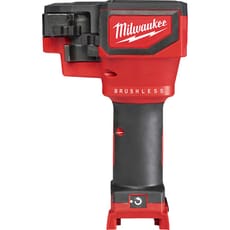
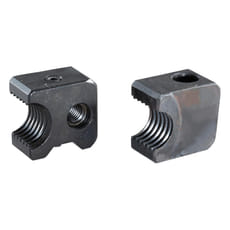
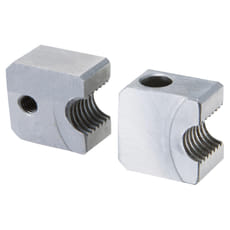
Makita Stainless Steel Cutter Blade Set W for DSC121 Threaded Rod Cutter
available
 Loading...
End of content
Error - No more pages to load
About Threaded Rod Cutters
Threaded rod cutters are specialised hand tools designed to cut through threaded steel rod cleanly and precisely without damaging the thread integrity. Unlike conventional cutting methods such as hacksaws or angle grinders, threaded rod cutters create a clean, burr-free cut that preserves the thread profile, allowing nuts and fixtures to be fitted immediately without the need for filing or deburring. These tools are essential for professionals working with suspended ceiling systems, HVAC installations, sprinkler pipe hanging, electrical conduit support, and any application where threaded rod is used as a structural or support element.
The selection at Tooled-Up.com includes professional-grade threaded rod cutters engineered for cutting various diameters of studding and threaded bar commonly used in construction and installation work. These tools typically feature hardened steel cutting jaws and ergonomic handles that provide the mechanical advantage needed to shear through steel rod with minimal effort. The cutting mechanism works through a scissor-like action or compound leverage system, compressing the rod until it fractures cleanly along the thread profile.
Quality threaded rod cutters offer significant time savings on site compared to traditional cutting methods. They eliminate the need for power sources, produce no sparks or heat, generate minimal noise, and create no metal swarf or dust. This makes them ideal for working in occupied buildings, around sensitive equipment, or in environments where hot work permits would otherwise be required. The portable, lightweight design means tradespeople can carry these cutters in their toolbag and make quick, clean cuts wherever needed throughout the working day.
Jargon Buster
- Threaded Rod (Studding): A length of steel bar with a continuous thread running along its entire length, used for hanging or supporting pipes, ducting, cable trays and structural elements from ceilings or walls.
- Thread Pitch: The distance between adjacent threads, measured in millimetres. Common pitches for metric threaded rod include coarse thread (standard) and fine thread variants.
- Burr-Free Cut: A clean cut edge with no rough metal projections or deformations that would prevent smooth threading of nuts and fixtures.
- Shear Action: The cutting method employed by threaded rod cutters where opposing blades compress and fracture the rod rather than sawing through it.
- Cutting Capacity: The maximum diameter of threaded rod that a particular cutter can successfully cut through, typically ranging from 6mm to 12mm for standard models.
- Drop-Forged Steel: A manufacturing process creating exceptionally strong cutting jaws by shaping heated steel under pressure, resulting in tools capable of withstanding the high forces involved in cutting steel rod.
Who Uses Threaded Rod Cutters?
- Plumbers and Heating Engineers: Installing suspended pipework, boiler flues, and central heating systems requiring secure overhead mounting
- Electricians: Fitting cable tray suspension systems, conduit supports, and busbar mounting frameworks
- HVAC Installers: Hanging ductwork, air conditioning units, and ventilation systems from structural ceilings
- Sprinkler Fitters: Installing fire suppression pipe networks suspended from threaded rod hangers
- Shopfitters and Ceiling Installers: Creating suspended ceiling grids and mounting retail display systems
- Mechanical Services Engineers: General M&E installation work across commercial and industrial projects
- Maintenance Technicians: Carrying out repairs and modifications to existing suspended services in buildings
- Steel Fabricators: Preparing threaded components for structural assemblies and frameworks
How to Choose the Right Threaded Rod Cutters
Cutting Capacity: Determine the maximum diameter of threaded rod you regularly work with. Standard cutters typically handle 6mm, 8mm, or 10mm rod, whilst heavy-duty models can manage up to 12mm. The Ridgid models available from Tooled-Up are designed for specific rod sizes to ensure optimal cutting performance.
Build Quality and Materials: Look for cutters with drop-forged or heat-treated steel cutting jaws that will maintain their edge through repeated use. Cheaper models may deform or lose cutting effectiveness after limited use, making professional-grade tools a worthwhile investment for regular users.
Handle Design and Ergonomics: Extended handles with non-slip grips provide better leverage and reduce the hand force required to make each cut. If you're cutting multiple rods daily, comfortable handles with cushioned grips will significantly reduce hand fatigue and strain.
Cutting Mechanism: Compound leverage systems multiply the force applied, making it easier to cut through harder steel grades. Single-action cutters are adequate for occasional use, whilst compound mechanisms suit high-volume cutting applications.
Brand Reputation: Established brands like Ridgid have proven track records for producing reliable cutting tools backed by warranties and readily available replacement parts. Professional tradespeople typically favour brands with strong reputations for tool longevity.
Weight and Portability: Consider how you'll transport the tool. Compact, lighter models are easier to carry in toolbags for mobile site work, whilst heavier-duty cutters may be better suited to fixed workshop locations.
Popular Accessories
- Replacement Cutting Blades: Keep spare blades available to maintain cutting performance when edges become worn or damaged
- Threaded Rod in Various Sizes: Stock of metric threaded bar in common diameters (M6, M8, M10, M12) in zinc-plated or stainless steel finishes
- Hexagonal Nuts and Washers: Essential fastening hardware for securing items to cut threaded rod sections
- Rod Coupling Nuts: Extended nuts for joining sections of threaded rod together
- Spirit Levels and Measuring Tools: For accurate positioning and alignment of suspended installations
- Tool Lanyards: Safety attachments for working at height, preventing dropped tools
- Threading Dies: For repairing damaged threads or creating threaded ends on plain bar
- Magnetic Rod Holders: Temporary support fixtures for positioning rod during installation
Safety Information
Personal Protective Equipment: Always wear safety glasses or goggles when cutting threaded rod, as the shearing action can occasionally cause small metal fragments to be ejected. Gloves should be worn to protect hands from sharp cut ends and to improve grip, though avoid loose-fitting gloves that could become trapped in the cutting mechanism.
Cut End Hazards: Freshly cut threaded rod ends are extremely sharp and can cause puncture injuries. Handle cut sections carefully and consider chamfering sharp edges with a file if components will be handled frequently. When working overhead, ensure cut-off sections are controlled to prevent them falling on persons below.
Tool Maintenance: Keep cutting jaws clean and lightly oiled to prevent rust and maintain smooth operation. Inspect the tool regularly for signs of wear, cracking, or deformation. Never attempt to cut rod diameters exceeding the manufacturer's specified capacity, as this can damage the tool and create a risk of the rod slipping during cutting.
Proper Technique: Position the threaded rod fully into the cutting jaws before applying pressure. Maintain firm control of both the cutter and the rod being cut. Apply steady, even pressure to the handles rather than jerky movements, which can cause the rod to slip or the tool to close unexpectedly.
Frequently Asked Questions
Can I use a threaded rod cutter on plain steel bar or rebar?
No, threaded rod cutters are specifically designed for cutting threaded studding. The thread profile supports the shearing action and helps create a clean break. Plain bar lacks this support structure and requires different cutting tools such as bolt croppers or mechanical bar cutters.
Will cutting threaded rod with these cutters damage the thread?
Quality threaded rod cutters like those from Ridgid are engineered to cut cleanly without deforming the thread profile. The cut preserves the thread integrity right to the end, allowing nuts to be threaded on immediately. This is their primary advantage over methods like angle grinders or hacksaws which typically damage several millimetres of thread.
How do I know when the cutting blades need replacing?
Signs that blades are wearing include increased effort required to make cuts, rough or deformed cut edges, and the tool crushing rather than cleanly shearing through the rod. Regular users should inspect blades periodically for chips, cracks or significant wear, replacing them before cutting quality deteriorates significantly.
Can threaded rod cutters handle stainless steel studding?
This depends on the specific cutter model and the grade of stainless steel. Most standard threaded rod cutters are designed for mild steel (zinc-plated) studding. Stainless steel is significantly harder and may exceed the capabilities of some cutters or accelerate blade wear. Check manufacturer specifications before attempting to cut stainless steel threaded rod.
Are threaded rod cutters suitable for cutting in tight spaces?
The compact head design of most threaded rod cutters makes them reasonably manoeuvrable, though you'll need sufficient clearance to operate the handles through their full range of motion. For extremely confined spaces, you may need to pre-cut rod to length before installation or use alternative cutting methods.