

Through Bolts
Pay in 3 interest-free payments on purchases from £30-2000 with  . Learn more.
 Loading...
End of content
Error - No more pages to load
About Through Bolts
Through bolts are heavy-duty mechanical anchoring systems designed to provide exceptional load-bearing capacity in solid masonry, concrete, and other dense base materials. Unlike expansion anchors that grip the sides of a pre-drilled hole, through bolts work by passing completely through the fixture being mounted and into the substrate, where an expansion mechanism creates a secure, high-strength connection. This makes them ideal for structural applications, safety-critical installations, and situations where maximum pull-out resistance is essential.
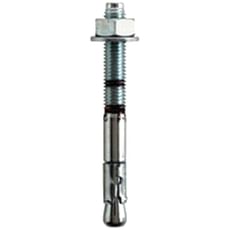
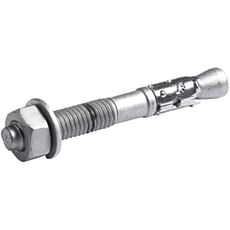
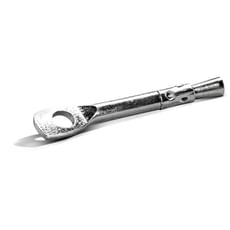
The through bolt range at Tooled-Up.com features premium products from Rawlplug, a trusted name in professional fixing systems. These fasteners are available in various finishes including zinc plated, heavy duty galvanised, and A4 stainless steel options to suit different environmental conditions and corrosion resistance requirements. From standard throughbolts for general structural use to specialised wire hanger variants with eye bolts for suspended installations, these fixings deliver the reliability that professional tradespeople demand.
Through bolts are engineered for applications where conventional fixings simply won't suffice. Whether securing heavy machinery, mounting structural steelwork, fixing safety barriers, or installing critical building services, these high-performance anchors provide peace of mind through their exceptional shear and tensile strength ratings. Many modern through bolt designs are approved for use in both cracked and non-cracked concrete, making them versatile solutions for new construction and renovation projects alike.
Jargon Buster
- Throughbolt/Through Bolt: A heavy-duty anchor that passes through the fixture and into the base material, featuring an expansion sleeve that creates a secure mechanical connection when the bolt is tightened.
- Zinc Flake Coating: An advanced corrosion protection system that provides superior rust resistance compared to standard zinc plating, particularly suitable for exterior and high-humidity applications.
- Pull-Out Resistance: The maximum tensile load an anchor can withstand before being extracted from the base material, measured in kilonewtons (kN).
- Cracked Concrete Approval: Certification confirming that a fixing system maintains its load capacity even when installed in concrete with dynamic cracks, essential for seismic zones and vibration-prone applications.
- Embedment Depth: The minimum distance the anchor must penetrate into the base material to achieve its rated load capacity, typically measured in millimetres from the surface.
- Edge Distance: The minimum spacing required between an anchor and the edge of the concrete or masonry to prevent break-out failure under load.
Who Uses Through Bolts?
- Structural Engineers: Specifying and installing critical load-bearing fixings for steel frames, concrete connections, and seismic restraints
- Mechanical & Electrical Contractors: Securing heavy plant equipment, motor bases, HVAC systems, and electrical switchgear to concrete floors and walls
- General Builders: Fixing structural steelwork, supporting beams, and safety-critical components in commercial and residential construction
- Shopfitters & Retail Installers: Mounting racking systems, shelving units, and display fixtures that require maximum load capacity
- Civil Engineers: Installing bridge components, highway furniture, safety barriers, and infrastructure elements
- Maintenance Engineers: Replacing and upgrading fixings in industrial facilities, factories, and commercial buildings
- Roofing Contractors: Securing fall arrest systems, roof anchors, and safety line equipment where life-safety is paramount
- Scaffolders: Installing permanent fixing points for access equipment and temporary works
How to Choose the Right Through Bolts
Base Material Condition: Determine whether you're fixing into cracked or non-cracked concrete, as this affects which products are suitable. High-performance throughbolts like the Rawl R-HPTII-ZF are approved for both conditions, offering greater versatility on unpredictable sites.
Load Requirements: Calculate the tensile and shear loads your application will experience. Through bolts are rated by diameter and embedment depth, so match the anchor specification to your structural calculations. Always apply appropriate safety factors and consult load tables provided by the manufacturer.
Environmental Conditions: Select the appropriate corrosion protection for your installation environment. Zinc plated options suit standard indoor applications, heavy duty galvanised throughbolts provide enhanced protection for exterior use, whilst A4 stainless steel variants offer maximum corrosion resistance in marine, coastal, or chemically aggressive environments.
Diameter and Length: Choose bolt diameter based on load requirements and fixture hole sizes. Tooled-Up stocks through bolts in common sizes ranging from M8 to M20 typically. Ensure embedment depth meets minimum requirements for your base material thickness and load capacity needs.
Compliance and Approvals: For structural applications, verify that products hold relevant approvals such as European Technical Assessments (ETA) and comply with BS EN 1992 (Eurocode 2) design standards. This documentation is essential for building control sign-off and professional indemnity requirements.
Installation Requirements: Consider the torque settings, hole diameter tolerances, and installation tools needed. Some through bolt systems require specific tightening sequences or torque values to achieve rated performance, so ensure your team has appropriate equipment and training.
Popular Accessories
- SDS-Plus and SDS-Max Drill Bits: Professional-grade masonry bits in the precise diameters required for through bolt installation
- Torque Wrenches: Essential for achieving correct tightening values on safety-critical installations
- Blow Pumps and Wire Brushes: For cleaning drilled holes to ensure maximum anchor performance
- Washers and Fixing Plates: Distribution plates to spread loads across larger surface areas
- Thread Lock Compound: Prevention of loosening under vibration in mechanical installations
- Resin Anchors: Chemical fixing systems for additional applications where through bolts aren't suitable
- Depth Gauges and Setting Tools: Ensuring correct embedment depth and proper anchor seating
- Personal Protective Equipment: Safety glasses, dust masks, and hearing protection for drilling operations
Safety Information
Through bolt installation requires careful attention to safety procedures and manufacturer guidelines. Always wear appropriate PPE including safety glasses, dust masks rated FFP3 for concrete dust, and hearing protection when drilling. Ensure work areas are adequately ventilated or use extraction equipment to control respirable crystalline silica (RCS) exposure, as required by HSE regulations.
Before drilling, always check for concealed services using a cable and pipe detector. Striking buried electrical cables or gas pipes can result in serious injury or fatality. Mark safe drilling positions clearly and maintain edge distances and spacing as specified in technical documentation to prevent concrete breakout.
For overhead installations and work at height, implement appropriate fall protection measures and ensure fixtures are adequately supported during installation. Never exceed the rated load capacity of through bolts, and where fixings support life-safety equipment or structural loads, ensure designs are verified by a qualified structural engineer. Follow manufacturer torque specifications precisely—both under-tightening and over-tightening can compromise fixing performance and safety.
Frequently Asked Questions
What's the difference between a through bolt and a shield anchor?
Through bolts pass completely through the fixture into the base material and feature an expansion mechanism at the embedded end, providing higher load capacities. Shield anchors (also called sleeve anchors) have the expansion element within the fixture thickness itself. Through bolts typically offer superior performance for heavy-duty structural applications and can be removed and reinstalled if needed.
Can through bolts be used in hollow concrete blocks?
No, through bolts are designed specifically for solid base materials like dense concrete, natural stone, and solid masonry. For hollow blocks or cavity walls, you'll need specialised hollow wall anchors or through-fixing systems designed for these substrates. Using through bolts in unsuitable materials will result in inadequate load capacity and potential failure.
What drill bit size should I use for through bolt installation?
Always follow the manufacturer's specifications exactly, as hole diameter is critical to anchor performance. The drill bit diameter is typically slightly larger than the bolt diameter—for example, an M12 through bolt might require a 14mm hole. Using an oversized hole reduces load capacity significantly, whilst an undersized hole prevents proper expansion and installation.
How deep should I drill for a through bolt?
The drill hole must be deeper than the embedment depth of the through bolt to allow for dust accumulation at the bottom of the hole. Typically, drill 5-10mm deeper than the anchor's embedment length. Insufficient depth prevents the bolt from seating properly, compromising the installation and potentially leaving the fixture proud of the mounting surface.
Can I reuse a through bolt hole if I remove the original fixing?
Generally, no. Once a through bolt has been tightened and the expansion mechanism engaged, the hole is deformed and cannot reliably accept a new anchor at the same load rating. If you must reuse a location, drill a new hole at least 150mm away from the original, or consider using resin anchor systems which can sometimes accommodate slightly damaged holes with appropriate preparation.