
Tie Downs & Straps

Pay in 3 interest-free payments on purchases from £20-£3000 with  . Learn more.
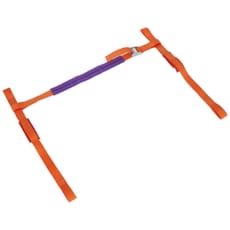

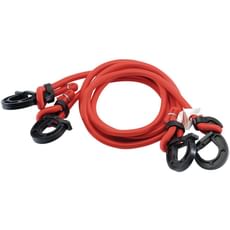
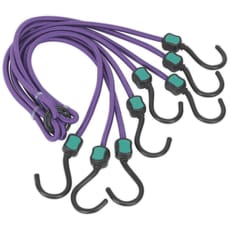
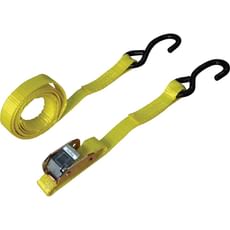
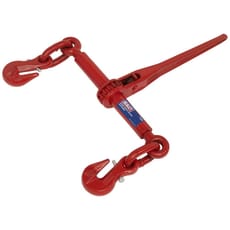
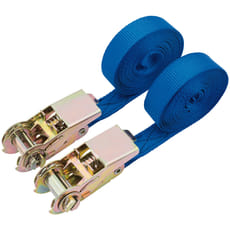
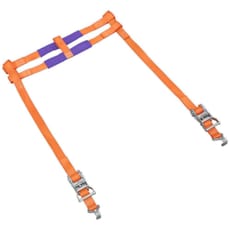
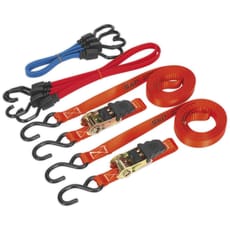
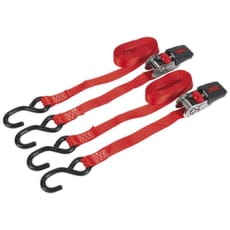
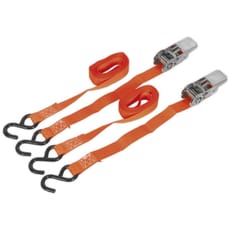
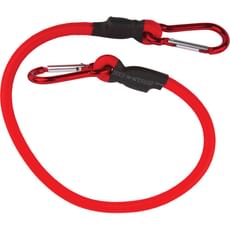
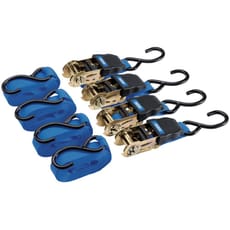
Loading...
End of content
Error - No more pages to load
About Tie Downs & Straps
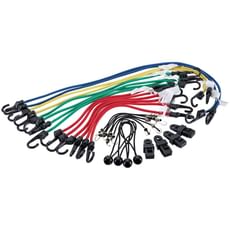
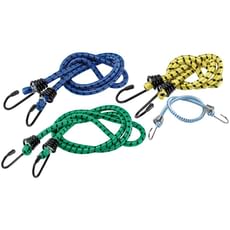
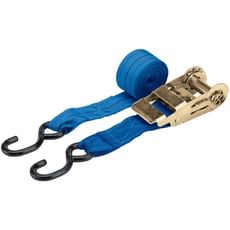
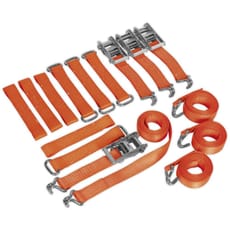
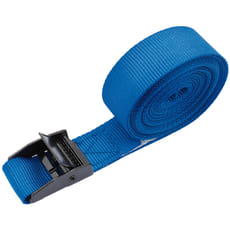
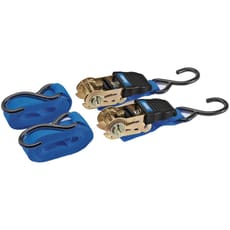
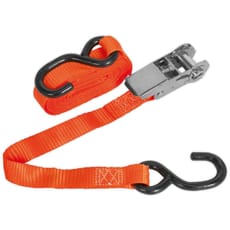
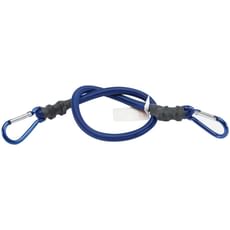
Tie downs and straps are essential securing equipment used across trade, transport, and DIY applications to safely restrain loads during transit or storage. From heavy-duty ratchet straps capable of securing machinery and building materials on flatbed vehicles, to versatile bungee cords for lighter fastening tasks, this category encompasses a comprehensive range of load restraint solutions. Whether you're transporting equipment to site, securing cargo in a van, or organising materials in storage, the right tie down system ensures loads remain stable, protected, and compliant with road safety regulations.
The selection at Tooled-Up.com includes ratchet tie down straps with various load capacities and lengths, elastic bungee cords in multiple configurations, and cargo nets designed for both small van loads and larger commercial vehicles. Each product type serves specific securing requirements, with breaking strengths measured in kilograms or decanewtons (daN), and features including reinforced stitching, corrosion-resistant hooks, and weather-resistant webbing materials. Professional-grade tie downs meet European safety standards (EN 12195-2) and display clear working load limit (WLL) markings to ensure compliant and safe load restraint.
Quality tie down equipment represents a critical investment in both load security and legal compliance for anyone transporting goods by road. Properly rated and maintained straps prevent load shift during transit, protect valuable equipment from damage, and crucially, prevent accidents caused by unsecured cargo. From single-item restraint to comprehensive load securing systems, choosing appropriate tie downs based on load weight, transport conditions, and securing points ensures safe, professional load management across all applications.
Jargon Buster
- Working Load Limit (WLL): The maximum load a tie down is designed to safely restrain during normal use, typically one-quarter to one-half of the breaking strength. Always displayed on the label in kilograms or decanewtons.
- Lashing Capacity (LC): Another term for working load limit, commonly used on ratchet straps and cargo securing equipment to indicate safe working load.
- Ratchet Mechanism: A mechanical tightening device that allows webbing to be tensioned incrementally and locked in place, providing superior securing force compared to cam buckles or hooks alone.
- Breaking Strength (BS): The maximum force a strap can withstand before failure, typically 2-4 times higher than the working load limit to provide a safety margin.
- Webbing: The woven textile material (usually polyester) that forms the strap itself, available in various widths (typically 25mm to 50mm) and grades depending on strength requirements.
- End Fittings: The hooks, carabiners, or anchor points attached to strap ends, available in various configurations including S-hooks, claw hooks, snap hooks, and D-rings for different securing applications.
Who Uses Tie Downs & Straps?
- Haulage and logistics professionals securing commercial loads on lorries, flatbeds, and trailers
- Van drivers and couriers restraining parcels, equipment, and materials during transit
- Builders and general contractors transporting tools, materials, and plant equipment to site
- Landscapers and groundworkers securing machinery, timber, and bulk materials
- Electricians and plumbers restraining pipe bundles, cable drums, and long materials
- Removals companies protecting furniture and belongings during transport
- Motorcycle and vehicle transporters securing bikes and cars on trailers
- Agricultural workers restraining farm equipment, feed bags, and livestock equipment
- DIY enthusiasts transporting building materials, garden equipment, and home improvement supplies
- Outdoor and camping enthusiasts securing roof racks, kayaks, bikes, and camping gear
How to Choose the Right Tie Downs & Straps
Load Weight and Type: Calculate your load weight and select straps with a working load limit appropriately rated for the task. As a general rule, the combined WLL of all straps should exceed your load weight, with typically two to four straps used depending on load size and securing points available. Heavier loads require wider webbing (50mm) and higher capacity ratchet mechanisms.
Strap Length: Measure the securing distance, accounting for the path around or over your load and back to anchor points. Common lengths range from 2.5 metres to 6 metres, though longer options are available. Excess strap length should be minimal once tensioned to avoid trailing hazards and potential damage to the webbing.
Securing Mechanism: Ratchet straps provide the highest tension and most secure fastening for heavy loads and long-distance transport. Bungee cords offer quick, flexible securing for lighter items and situations requiring regular access. Cam buckle straps provide a middle ground with easier release than ratchets but more control than bungees.
End Fitting Compatibility: Ensure hooks or fittings match your vehicle's anchor points. Claw hooks suit most standard anchor rails, whilst snap hooks work with smaller rings. S-hooks offer versatility but may require additional protection to prevent scratching. Consider whether you need coated hooks to protect painted surfaces.
Material and Durability: Polyester webbing resists UV degradation and moisture better than alternatives, making it suitable for outdoor use. Check for reinforced stitching at stress points and abrasion-resistant edge binding. Professional-grade straps from established manufacturers available at Tooled-Up offer superior longevity and reliability compared to economy options.
Standards Compliance: For commercial use, ensure straps meet EN 12195-2 standards and display clear labelling showing working load limit, manufacturer details, and compliance markings. Regular inspection and replacement of damaged equipment is both a legal requirement for commercial operators and essential safety practice for all users.
Popular Accessories
- Strap protectors and edge guards preventing webbing damage on sharp corners and edges
- Additional anchor points and D-rings for vehicles lacking sufficient securing points
- Load restraint bars creating anchor points across van interiors
- Ratchet strap storage bags keeping equipment organised and protected when not in use
- Corner protectors shielding both load and straps from damage
- Anti-slip matting reducing load movement beneath straps
- Replacement ratchet mechanisms extending strap life when buckles wear
- Carabiners and quick-release connectors for faster securing and releasing
Safety Information
Never exceed the stated working load limit of any tie down equipment, and always inspect straps before use for signs of wear, cuts, abrasion, or damaged stitching. Damaged straps must be removed from service immediately as compromised webbing can fail catastrophically under load. Ensure ratchet mechanisms engage fully and release smoothly, and never stand directly in line with tensioned straps during tightening.
When securing loads, distribute forces evenly using multiple straps positioned to prevent load shift in all directions. Straps should be tensioned sufficiently to prevent movement but not over-tightened to the point of deforming or damaging the load. For commercial transport, operators must comply with HSE guidance on load securing and the Road Traffic Act requirements for safe load restraint.
Store tie downs in a clean, dry location away from chemicals, solvents, and direct sunlight when not in use. UV exposure degrades polyester webbing over time, reducing strength even if no visible damage is apparent. Professional operators should maintain inspection records and replace equipment according to manufacturer guidelines or when wear indicators become visible.
Frequently Asked Questions
What's the difference between working load limit and breaking strength?
The working load limit (WLL) is the maximum load a strap should secure during normal use, incorporating a safety factor. Breaking strength is typically 2-4 times higher and represents the force at which the strap would actually fail. Always work within the WLL, never the breaking strength, to maintain safe margins.
How many tie down straps do I need to secure a load?
This depends on load weight, size, and shape. As a minimum, use at least two straps positioned to prevent forward and rearward movement. Heavier or taller loads typically require four or more straps to prevent shifting in all directions. The combined WLL of all straps should exceed your load weight.
Can I repair damaged webbing on a ratchet strap?
No. Any strap showing cuts, fraying, abrasion, chemical damage, or UV degradation must be removed from service and disposed of. Attempting repairs compromises the strap's integrity and creates serious safety risks. Replace damaged straps rather than attempting to repair them.
How tight should I tension a ratchet strap?
Tighten until the load is firmly secured and cannot shift, but avoid excessive tension that could damage the load or deform packaging. The webbing should be taut without appearing stretched or strained. Most ratchets provide adequate tension with moderate hand pressure—excessive force isn't necessary or beneficial.
Are bungee cords suitable for securing loads during road transport?
Bungee cords are suitable only for lightweight, low-risk applications where items won't become hazardous if displaced. They should not be used as primary restraints for heavy loads or road transport where load shift could cause accidents. Use ratchet straps for serious load securing applications.