

Tile Cutting Saws (Hand)
Pay in 3 interest-free payments on purchases from £30-2000 with  . Learn more.
 Loading...
End of content
Error - No more pages to load
About Tile Cutting Saws (Hand)
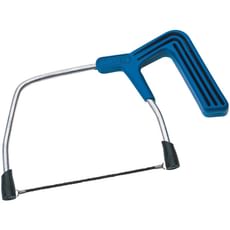
Hand tile cutting saws are essential precision tools designed for making intricate cuts and detailed work in ceramic tiles, porcelain, glass, marble and other hard materials. Unlike their powered counterparts, these manual tools offer exceptional control and accuracy for delicate cutting tasks where finesse matters more than speed. Featuring a robust metal frame with a tungsten carbide tipped (TCT) blade, hand tile saws excel at cutting curves, circles and access holes for pipework or electrical fittings that would be impossible or impractical with a standard tile cutter or wet saw.
The deep frame design of most hand tile saws allows for greater depth of cut and improved blade access, making them particularly valuable for cutting thick materials or working in confined spaces. The fine-toothed TCT blade works with a gentle back-and-forth motion, generating minimal dust and requiring no electrical power source, which makes these tools ideal for quick on-site adjustments and detailed finishing work. Professional tilers and bathroom fitters regard hand tile saws as indispensable for achieving professional results on complex installations.
Tooled-Up.com stocks hand tile cutting saws from trusted manufacturers like Draper, offering tradespeople and serious DIY enthusiasts access to professional-grade tools for precision tile work. These compact, portable saws require no water feed or 240v power supply, making them the go-to solution for site work where power access may be limited or where clean, controlled cutting is paramount.
Jargon Buster
- TCT Blade (Tungsten Carbide Tipped) - A saw blade with extremely hard tungsten carbide particles bonded to the cutting edge, providing superior durability and cutting performance on hard materials like ceramic, porcelain and glass.
- Deep Frame - A saw frame design with increased depth between the blade and the back of the frame, allowing deeper cuts and better access when working on larger tiles or cutting further from the edge.
- Rod Saw - Another term for a hand tile saw, referring to the round or rod-like blade that cuts with an abrasive action rather than traditional teeth.
- Grit Rating - The coarseness of the abrasive coating on the blade; lower numbers indicate coarser grit for faster cutting, while higher numbers provide finer cuts with smoother edges.
- Kerf - The width of the cut made by the blade, important when planning precise cuts or working with tight tolerances around fixtures and fittings.
- Wet Cutting vs Dry Cutting - Hand tile saws typically perform dry cutting without water cooling, unlike powered wet saws, making them cleaner and more convenient for detailed work.
Who Uses Tile Cutting Saws (Hand)?
Hand tile cutting saws are used by a diverse range of professionals and DIY enthusiasts, including:
- Professional tilers - For intricate cuts, curves and detailed finishing work on ceramic and porcelain installations
- Bathroom fitters - For cutting access holes around pipes, taps and sanitaryware
- Kitchen fitters - For detailed work around electrical sockets, splashbacks and worktop edges
- General builders - For site work where powered tools may be impractical or unavailable
- Maintenance and property services - For repair work and small-scale tile replacements
- Mosaic and decorative tile specialists - For precision cutting of small tiles and intricate patterns
- DIY enthusiasts - Tackling home improvement projects involving tile installation or renovation
- Heritage and restoration specialists - For careful, controlled cutting when working with expensive or irreplaceable materials
How to Choose the Right Tile Cutting Saws (Hand)
When selecting a hand tile cutting saw, consider the following factors to ensure you choose the most appropriate tool for your requirements:
Frame Depth: A deeper frame provides greater versatility, allowing you to cut further from the tile edge and tackle larger workpieces. Standard frames typically offer 100-150mm depth, whilst deep frame models extend this considerably.
Blade Quality: Look for tungsten carbide tipped (TCT) blades which offer superior longevity and cutting performance compared to standard abrasive blades. Quality blades maintain their cutting ability longer, reducing replacement costs and downtime.
Material Compatibility: Ensure the saw is rated for the materials you'll be cutting. Most hand tile saws handle ceramic, porcelain, glass and marble, but always verify specifications for specialist materials.
Build Quality: A robust metal frame with secure blade mounting ensures accuracy and longevity. The selection at Tooled-Up includes professional-grade tools from manufacturers like Draper, known for durable construction that withstands daily site use.
Blade Replacement: Consider the availability and cost of replacement blades. Standard fitting sizes ensure you can source compatible blades easily when required.
Comfort and Ergonomics: For extended use, a comfortable handle design reduces hand fatigue and improves control during detailed cutting operations.
Popular Accessories
To get the most from your hand tile cutting saw, consider these complementary products:
- Replacement TCT Blades - Keep spare blades on hand to maintain cutting performance and minimise downtime
- Tile Scribers and Scoring Tools - For marking cut lines accurately before sawing
- Tile Nippers - Ideal for removing small sections and refining cuts made with your hand saw
- Tile Files and Rubbing Stones - For smoothing cut edges and achieving a professional finish
- Measuring and Marking Tools - Tape measures, combination squares and pencils for precise layout work
- Safety Glasses - Essential eye protection when cutting hard materials
- Work Gloves - Protect hands from sharp tile edges and provide improved grip
- Tile Spacers - For maintaining consistent gaps during installation after cutting
Safety Information
Whilst hand tile saws are inherently safer than powered cutting tools, proper safety practices remain essential:
Eye Protection: Always wear safety glasses or goggles when cutting tiles. Small fragments and dust particles can cause serious eye injuries even during manual cutting operations.
Hand Protection: Wear appropriate work gloves to protect against sharp edges on both the tile and the blade. Cut ceramic and porcelain edges are extremely sharp and can cause deep lacerations.
Secure Workpiece: Always ensure the tile is properly secured before cutting. A stable workpiece prevents slipping that could lead to injury or material damage.
Blade Condition: Inspect the blade before each use for damage or wear. A damaged blade can break during use or produce poor-quality cuts that require excessive force.
Proper Technique: Use smooth, controlled strokes rather than forcing the blade. Excessive pressure can cause blade breakage or loss of control.
Dust Awareness: Although hand saws generate less dust than powered tools, work in well-ventilated areas and consider respiratory protection for extended cutting sessions, particularly with materials that may contain silica.
Frequently Asked Questions
Can hand tile saws cut through porcelain as well as ceramic?
Yes, hand tile saws with tungsten carbide tipped blades can cut both ceramic and porcelain tiles effectively. Porcelain is denser and harder than ceramic, so it will take longer to cut and may require more frequent blade replacement, but the same tool handles both materials.
How long does a TCT blade typically last?
Blade life depends on usage intensity and the materials being cut. With proper technique and cutting appropriate materials, a quality TCT blade should last through several projects. You'll know it's time to replace the blade when cutting becomes noticeably slower or requires excessive pressure.
Do I need a powered tile saw if I have a hand tile saw?
Hand tile saws and powered saws serve different purposes. Hand saws excel at detailed work, curves, and small cuts where precision matters most, whilst powered saws are faster for straight cuts and high-volume work. Professional tilers typically use both, selecting the appropriate tool for each specific task.
Can I cut glass or mirror with a hand tile saw?
Yes, hand tile saws with TCT blades can cut glass, mirror and even marble. The gentle cutting action produces less vibration than powered tools, which can actually be advantageous when working with delicate materials prone to cracking.
Is any maintenance required for hand tile saws?
Maintenance is minimal but important. Keep the blade clean and free from built-up residue, ensure blade mounting screws remain tight, and store the tool in a dry location to prevent corrosion. Check the blade tension periodically and replace blades when cutting performance diminishes.