

Tile Saw Blades & Wheels
Pay in 3 interest-free payments on purchases from £30-2000 with  . Learn more.







 Loading...
End of content
Error - No more pages to load
About Tile Saw Blades & Wheels
Tile saw blades and wheels are essential cutting components designed specifically for cleanly cutting through ceramic tiles, porcelain, natural stone, granite, marble, and glass. Whether you're using a manual tile cutter or a powered wet saw, having the right blade or cutting wheel makes the difference between professional, chip-free edges and damaged materials. These specialised cutting tools feature diamond-coated rims or tungsten carbide construction to tackle the hardness of modern tiling materials without compromising precision.
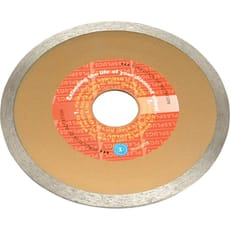
The range available from Tooled-Up.com includes diamond blades for wet bridge tile saws, replacement cutting wheels for manual tile cutters, and specialised blades for different materials. Diamond blades come in continuous rim designs for the smoothest cuts in delicate materials, or segmented rims for faster cutting in harder stone. Tungsten carbide wheels are specifically engineered for manual scoring tile cutters, providing thousands of clean scores before requiring replacement. Each blade type is matched to specific cutting applications, with some optimised for wet cutting to reduce dust and prevent overheating, whilst others are suitable for dry cutting in well-ventilated environments.
Leading brands such as Vitrex, DeWalt, and Faithfull manufacture these precision cutting components to exacting standards, ensuring compatibility with popular tile saw models and delivering consistent performance across demanding tiling projects. From replacing worn cutting wheels on manual tile cutters to upgrading to premium diamond blades for cleaner cuts in high-value materials, choosing quality replacement components protects your investment in both tools and materials.
Jargon Buster
- Continuous Rim Blade: A diamond blade with an uninterrupted cutting edge around the entire circumference, designed to produce chip-free cuts in ceramic tiles, porcelain, and glass. The continuous rim reduces vibration and prevents chipping on delicate materials.
- Segmented Rim Blade: A diamond blade featuring gaps or segments around the cutting edge, which improves cooling and allows debris removal during cutting. These blades cut faster in harder materials like granite and natural stone but may produce slightly rougher edges than continuous rim designs.
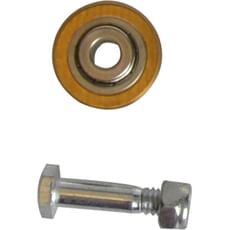
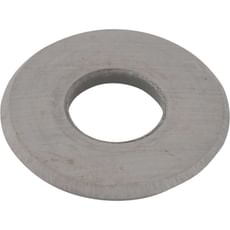
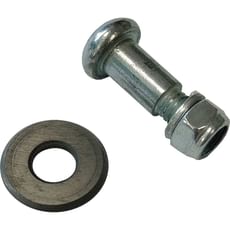
- Tungsten Carbide Wheel: The scoring wheel used in manual tile cutters, made from extremely hard tungsten carbide material. It scores a precise line across the tile surface, which then breaks cleanly along the scored line when pressure is applied.
- Wet Cutting: A cutting method where water continuously cools the blade and washes away debris during operation. Wet cutting reduces dust, prevents blade overheating, extends blade life, and produces cleaner cuts in hard materials.
- Diamond Grit: Microscopic industrial diamonds bonded to the blade's cutting edge. The size and concentration of diamond particles determine the blade's cutting speed and the smoothness of the finished edge.
- Bore Size: The diameter of the central mounting hole in a blade, which must match the arbor size of your tile saw. Common sizes include 22.23mm and 25.4mm, though this varies by manufacturer and tool model.
Who Uses Tile Saw Blades & Wheels?
- Tilers and ceramic specialists who require reliable cutting components for daily professional installations
- Bathroom and kitchen fitters completing tiling work as part of renovation projects
- General builders undertaking tiling work on domestic and commercial sites
- Stonemasons cutting natural stone, granite, and marble for bespoke installations
- Shop fitters and commercial contractors installing tiled surfaces in retail and hospitality environments
- DIY enthusiasts and homeowners tackling bathroom, kitchen, or conservatory tiling projects
- Property maintenance professionals carrying out repairs and renovations requiring tile cutting
- Flooring specialists installing ceramic and porcelain floor tiles in residential and commercial properties
How to Choose the Right Tile Saw Blades & Wheels
Match to Your Tool: Always verify compatibility with your specific tile cutter or saw model. Manual tile cutters require replacement tungsten carbide wheels designed for that manufacturer's cutter, whilst powered tile saws need diamond blades with the correct bore size and diameter specifications.
Consider the Material: Ceramic tiles cut easily with standard diamond blades, but porcelain requires more aggressive diamond grit due to its density. Natural stone, granite, and marble benefit from segmented rim blades for faster cutting, whilst glass and glazed tiles demand continuous rim blades to prevent chipping. Some blades are marketed as multi-material, offering versatility across different tiling projects.
Wet or Dry Cutting: Determine whether your saw operates with water cooling or dry. Wet bridge saws require blades specifically designed for continuous water exposure, which also produces less dust and extends blade life. Dry-cutting blades suit handheld angle grinders and must disperse heat effectively without water cooling.
Blade Quality and Longevity: Premium diamond blades from established manufacturers feature higher diamond concentrations and better bonding, resulting in longer life and more consistent cuts. Whilst budget blades may seem economical initially, they dull quickly and may chip expensive tiles. For professional tradespeople, investing in quality blades reduces material waste and increases productivity.
Cut Quality Requirements: For visible edges in high-end installations, continuous rim blades deliver the smoothest, chip-free finish. For cuts that will be hidden beneath trim or grout lines, segmented blades offer faster cutting speeds with acceptable edge quality.
Popular Accessories
- Tile Cutters (Manual and Powered): Bridge saws, rail cutters, and handheld cutting tools that accommodate these blades and wheels
- Cutting Fluid and Lubricants: Specialised solutions for wet cutting that improve blade performance and reduce wear
- Blade Cleaning Blocks: Abrasive blocks that remove built-up material and restore cutting performance to diamond blades
- Angle Grinders: Portable power tools that accept diamond blades for cutting and shaping tiles on-site
- Tile Nibblers and Pliers: Hand tools for making curved cuts and notches after scoring with manual cutters
- Measuring and Marking Tools: Tape measures, squares, and tile scribes for accurate cutting layout
- Safety Equipment: Eye protection, dust masks, hearing protection, and work gloves essential for tile cutting operations
- Tile Spacers and Levelling Systems: Accessories for achieving professional installations after cutting
Safety Information
Personal Protective Equipment: Always wear safety glasses or goggles to protect against tile fragments and dust particles. When dry cutting, use appropriate respiratory protection rated for fine dust exposure. Hearing protection is essential when operating powered tile saws, and work gloves protect hands from sharp edges.
Blade Installation and Inspection: Ensure blades are correctly fitted with the rotation arrow pointing in the correct direction. Never use damaged, cracked, or worn blades, as they may shatter during operation. Check that blades are securely tightened before use and that the maximum RPM rating exceeds your tool's operating speed.
Dust Control: Cutting tiles generates harmful silica dust. When possible, use wet cutting methods which dramatically reduce airborne particles. For dry cutting, work in well-ventilated areas or use dust extraction equipment. Follow HSE guidance on respirable crystalline silica exposure to protect long-term respiratory health.
Electrical Safety: When using powered tile saws connected to 240v mains power, ensure RCD protection is in place, particularly on building sites or in wet environments. Keep electrical connections away from water when wet cutting, and never operate damaged equipment.
Material Handling: Secure tiles firmly before cutting to prevent movement. Allow freshly cut tiles to cool before handling, as friction generates significant heat. Store replacement blades and wheels safely to prevent damage and injury from exposed cutting edges.
Frequently Asked Questions
How long do tile saw blades and cutting wheels last?
Longevity depends on material hardness, cutting frequency, and blade quality. A tungsten carbide wheel on a manual cutter typically scores several hundred tiles before requiring replacement. Diamond blades vary considerably—budget blades might cut 10-20 square metres of porcelain, whilst premium blades can handle 100+ square metres. Signs of wear include increased effort when cutting, chipping along cut edges, and visible wear on the cutting surface. Tradespeople at Tooled-Up often keep spare components on hand to avoid project delays.
Can I use the same blade for ceramic tiles and porcelain?
Whilst many diamond blades are marketed as suitable for both materials, porcelain is significantly denser and harder than ceramic, causing blades to wear faster. A blade designed for ceramic will cut porcelain but will dull quickly and may produce rougher edges. For predominantly porcelain work, invest in blades specifically rated for porcelain or hard materials. Multi-material blades offer a compromise for mixed projects but represent a trade-off between versatility and optimal performance in any single material.
What's the difference between wet and dry diamond blades?
Wet blades are designed for continuous water cooling, which lubricates the cut, washes away debris, and prevents overheating. They typically feature continuous or fine segments for smooth cuts. Dry blades incorporate design features like larger segments, heat-dissipating gullets, and specific bond formulations that withstand higher temperatures without water cooling. Never use a dry-only blade with water, as this can cause segment loss, and limit dry blade use to short cuts with cooling intervals to prevent overheating.
How do I know when to replace a manual tile cutter wheel?
Replace tungsten carbide wheels when you notice increased pressure required to score tiles, inconsistent scoring lines, or tiles that won't snap cleanly along the score. Visual inspection may reveal a flattened or worn cutting edge rather than the sharp point of a new wheel. Continuing with a worn wheel risks cracked tiles and wasted materials. Given the relatively low cost of replacement wheels compared to tile wastage, it's prudent to replace wheels at the first sign of reduced performance.
Are expensive diamond blades worth the investment?
For professional tradespeople and substantial projects, premium diamond blades deliver better value despite higher initial costs. They feature higher diamond concentrations, superior bonding, and precision manufacturing that produces cleaner cuts, faster cutting speeds, and significantly longer life. Budget blades suit occasional DIY use but dull quickly under professional demands. Calculate cost per cut rather than purchase price—a premium blade cutting 100 square metres costs less per metre than a budget blade requiring replacement after 20 square metres, whilst also reducing material waste from chipped tiles.