
Tile Scorers

Pay in 3 interest-free payments on purchases from £20-£3000 with  . Learn more.
Loading...
End of content
Error - No more pages to load
About Tile Scorers
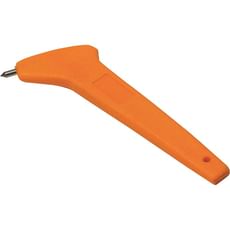
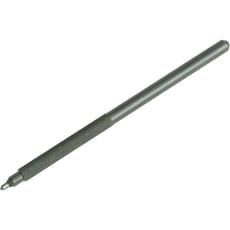
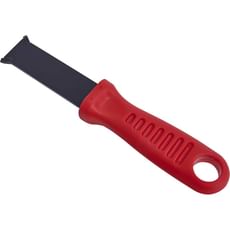
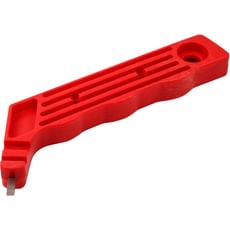
Tile scorers are essential hand tools designed for marking and scoring ceramic wall and floor tiles before snapping or cutting. These precision instruments feature hardened cutting tips – typically tungsten carbide or diamond – that scratch a controlled line across the tile's glazed surface, creating a weak point that allows for clean, accurate breaking. Unlike powered tile cutters, tile scorers offer a simple, portable solution for quick marking jobs, small-scale tiling projects, or situations where a manual approach is preferable.
The range available from Tooled-Up.com includes both single and double-tipped tile scribes from trusted manufacturers including Vitrex, Faithfull, Draper, and Edma. Many models feature ergonomic steel bodies with comfortable grips, ensuring control and precision during use. While primarily designed for ceramic tiles, quality tile scorers can also handle porcelain tiles, glass tiles, and even manmade roofing slates, making them versatile additions to any tiler's toolkit.
Tile scorers are particularly valuable for cutting awkward shapes, making small adjustments on site, or working in confined spaces where larger cutting equipment cannot be easily manoeuvred. They produce no dust, require no electrical supply, and represent a cost-effective solution for both professional tradespeople and DIY enthusiasts tackling bathroom, kitchen, or flooring projects.
Jargon Buster
- Tungsten Carbide Tip: An extremely hard cutting point made from tungsten carbide compound, offering excellent durability and scratch resistance. This material maintains its sharpness through extended use and is the most common tip material for tile scorers.
- Scribe Line: The shallow groove created across the tile's surface by the scorer, which weakens the glaze and body of the tile to facilitate a clean snap along the desired cutting line.
- Double-Tipped Scribe: A tile scorer featuring cutting points at both ends of the tool, effectively doubling the tool's lifespan and providing a backup tip if one becomes damaged or worn.
- Glazed Ceramic: Tiles with a glass-like coating fused to the clay body during firing. The glaze provides the tile's colour and finish but must be scored through to achieve a clean break.
- Score-and-Snap Method: The traditional tile cutting technique where a scribe line is created across the tile's surface, then pressure is applied to snap the tile cleanly along the scored line.
- Tile Thickness: The depth of the tile material, typically ranging from 6mm to 12mm for wall tiles and up to 20mm for floor tiles. Thicker tiles require firmer pressure when scoring.
Who Uses Tile Scorers?
- Professional Tilers: Use tile scorers for quick marking, small adjustments, and detailed work where powered cutters would be impractical
- Bathroom Fitters: Rely on these tools for cutting tiles around pipes, fixtures, and awkward spaces during installation work
- Kitchen Fitters: Employ tile scorers when installing splashbacks and fitting tiles around electrical outlets and cabinetry
- General Builders: Keep tile scorers in their toolkit for occasional tiling work and repairs on construction sites
- Maintenance Teams: Use these tools for tile repairs and replacement in commercial and residential properties
- DIY Enthusiasts: Homeowners undertaking bathroom, kitchen, or flooring projects who need an affordable, straightforward cutting solution
- Property Renovators: Individuals working on refurbishment projects requiring tile cutting without investment in expensive powered equipment
How to Choose the Right Tile Scorers
Tip Material: Tungsten carbide tips are the industry standard, offering excellent durability and edge retention. For occasional DIY use, standard carbide tips are perfectly adequate, whilst professional tilers should look for premium-grade carbide or diamond-tipped models for extended lifespan.
Handle Design: Ergonomic handles with comfortable grips reduce hand fatigue during repetitive scoring work. Steel-bodied scorers with rubberised or knurled grips provide better control and precision, particularly important when working with expensive tiles where mistakes are costly.
Single vs Double-Tipped: Double-tipped tile scribes, such as those from Edma, offer better value for professional users, effectively providing two tools in one. Single-tipped models are lighter and more compact, suitable for occasional use or confined spaces.
Tile Compatibility: Consider the tile types you'll be working with most frequently. Basic scorers handle standard ceramic wall tiles easily, but if you're working with porcelain, thick floor tiles, or specialist materials, ensure your chosen model is rated for these applications.
Build Quality: Tooled-Up stocks models from reputable brands like Vitrex, Faithfull, and Draper, which offer reliable construction and consistent performance. Quality scorers maintain their cutting edge longer and provide more controlled, precise scoring lines.
Budget Considerations: Tile scorers represent an affordable investment compared to powered cutting equipment. For professional use, investing in a quality model pays dividends through longevity and performance, whilst DIY users can achieve excellent results with entry-level options.
Popular Accessories
- Manual Tile Cutters: Complement tile scorers for straight cuts on larger tiles, combining a scoring wheel with a breaking mechanism
- Tile Nippers: Essential for removing small sections and creating curved cuts after initial scoring
- Measuring Tools: Tape measures, combination squares, and marking pencils for accurate layout before scoring
- Straight Edges: Metal rulers or spirit levels used as guides for creating perfectly straight score lines
- Tile Spacers: Ensure consistent grout lines and proper tile positioning during installation
- Safety Glasses: Protect eyes from tile fragments during the snapping process
- Work Gloves: Provide protection from sharp tile edges whilst maintaining grip and dexterity
- Tile Files and Rubbing Stones: Smooth rough edges after cutting for a professional finish
Safety Information
Eye Protection: Always wear safety glasses when scoring and snapping tiles, as small fragments can fly off unexpectedly during the breaking process, potentially causing eye injuries.
Hand Protection: Freshly cut tile edges are extremely sharp. Wear appropriate work gloves when handling cut tiles and dispose of waste carefully to prevent cuts and lacerations.
Proper Technique: Apply steady, consistent pressure when scoring rather than excessive force. Pressing too hard can cause the tip to jump or the tile to crack unpredictably, potentially causing injury.
Secure Work Surface: Always work on a stable, flat surface with the tile properly supported. Unstable tiles can slip during scoring, leading to injuries or damaged materials.
Tool Maintenance: Inspect the carbide tip regularly for damage or excessive wear. A damaged tip can slip during use, causing loss of control and potential injury. Replace worn tools promptly to maintain safe working conditions.
Frequently Asked Questions
Can tile scorers cut through porcelain tiles?
Quality tile scorers with tungsten carbide or diamond tips can score porcelain tiles, though they require more pressure than standard ceramic tiles. For best results with porcelain, use a fresh, sharp tip and apply firm, even pressure in a single pass. Very thick or hard porcelain may be better suited to powered tile cutters or wet saws.
How do I know when to replace my tile scorer?
Replace your tile scorer when the tip no longer creates a clean, continuous scratch across the tile's surface, when it skips or jumps during scoring, or when you need to make multiple passes to achieve an adequate score line. A sharp scorer should create a clear line in a single, smooth pass with moderate pressure.
What's the difference between a tile scorer and a manual tile cutter?
A tile scorer (or scribe) is simply a handheld marking tool that creates the score line – you then manually snap the tile over a straight edge or breaking tool. A manual tile cutter combines a scoring wheel with an integrated breaking mechanism in one unit, making it faster and more convenient for repetitive straight cuts but less portable and more expensive than a simple scorer.
Do I need different scorers for wall and floor tiles?
A single quality tile scorer can handle both wall and floor tiles, though floor tiles are typically thicker and harder, requiring more pressure. If you regularly work with heavy-duty floor tiles or porcelain, consider a heavy-duty model like the Edma double-tipped scribe, which offers enhanced durability for demanding applications.
Can I use a tile scorer for cutting curves or circles?
Tile scorers are designed for straight cuts only. For curved cuts, circles, or complex shapes, you'll need to use tile nippers, a tile saw, or a diamond-grit hole saw in combination with your scorer. The scorer can mark the outline, but the actual cutting of curves requires different tools and techniques.