

Tiling Adhesives
Pay in 3 interest-free payments on purchases from £30-2000 with  . Learn more.
 Loading...
End of content
Error - No more pages to load
About Tiling Adhesives
Tiling adhesives are specialist bonding products designed to securely fix ceramic, porcelain, natural stone, and mosaic tiles to a variety of substrates including walls, floors, concrete, plasterboard, and existing tiles. Whether you're working on a bathroom renovation, installing a kitchen splashback, or laying floor tiles in a commercial space, choosing the right tile adhesive is crucial for a long-lasting, professional finish. Modern tiling adhesives have evolved significantly from traditional sand and cement methods, offering superior adhesion, flexibility, and resistance to moisture and temperature variations.
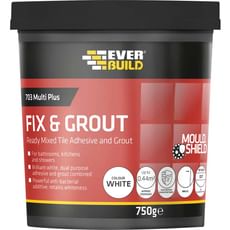
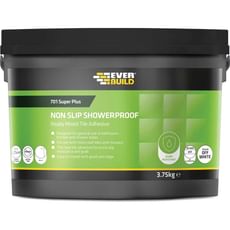
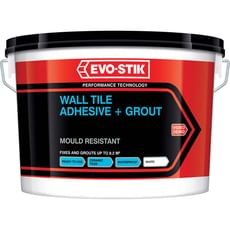
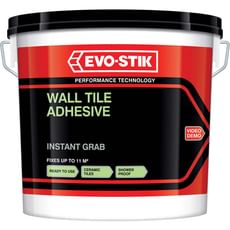
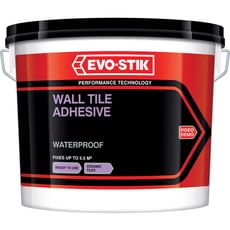
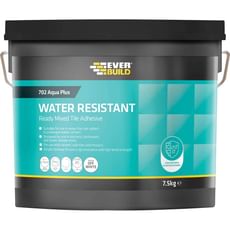
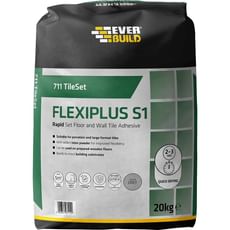
The selection at Tooled-Up.com includes a comprehensive range of tiling adhesives from trusted brands including Everbuild and Evo-Stik, each formulated for specific applications and conditions. Available products include rapid-set formulations for time-sensitive projects, non-slip adhesives for vertical applications, water-resistant and weatherproof options for wet rooms and exterior installations, and convenient all-in-one tile adhesive and grout products. Whether you're a professional tiler working on multiple sites or a DIY enthusiast tackling a home improvement project, selecting the right adhesive ensures your tiles stay firmly in place for years to come.
Understanding the different types of tiling adhesives available helps you select the most appropriate product for your specific requirements. Ready-mixed adhesives offer convenience and consistent quality straight from the tub, whilst powder adhesives allow you to mix only what you need and are often more economical for larger projects. Specialist formulations address particular challenges such as flexible substrates, temperature extremes, or demanding environments like swimming pools and wet rooms.
Jargon Buster
- Flexible Adhesive (Flexi-Plus): A tile adhesive with added polymers that allow it to accommodate slight substrate movement without cracking, essential for wooden floors, underfloor heating systems, and areas subject to vibration or thermal expansion.
- Ready-Mixed Adhesive: Pre-blended tile adhesive supplied in tubs, ready to use straight from the container without mixing. Ideal for smaller jobs and vertical applications where consistency is crucial.
- Open Time: The working period after applying adhesive during which tiles can still be positioned and achieve proper adhesion. Typically ranges from 15 to 30 minutes depending on conditions and product formulation.
- Non-Slip Adhesive: A thixotropic formulation that resists slumping on vertical surfaces, preventing tiles from sliding down the wall during installation and allowing work to proceed without temporary supports.
- Water-Resistant/Weatherproof: Adhesives specifically formulated to withstand constant moisture exposure or external conditions, containing additives that prevent water penetration and maintain bond strength in wet environments.
- Pot Life: The amount of time a mixed powder adhesive remains workable in the mixing bucket before it begins to set and should be discarded. Typically 2-3 hours for standard adhesives.
Who Uses Tiling Adhesives?
- Professional Tilers: Specialist tradespeople who rely on high-performance adhesives for commercial and domestic installations.
- Bathroom Fitters: Professionals installing complete bathroom suites requiring water-resistant and mould-resistant adhesives.
- Kitchen Fitters: Tradespeople installing splashbacks, worktop upstands, and floor tiles in kitchen environments.
- General Builders: Multi-trade professionals incorporating tiling work into broader renovation and construction projects.
- Shopfitters: Commercial contractors installing tiles in retail, hospitality, and public spaces.
- Property Maintenance Teams: In-house maintenance staff for residential and commercial property portfolios.
- DIY Enthusiasts: Homeowners undertaking bathroom, kitchen, and floor tiling projects.
- Landlords and Property Developers: Individuals renovating properties for rental or resale.
How to Choose the Right Tiling Adhesives
Selecting the appropriate tiling adhesive depends on several critical factors. First, consider the substrate type – concrete, plasterboard, plywood, or existing tiles all have different requirements. Flexible adhesives are essential for wooden substrates or areas with underfloor heating, whilst standard adhesives suffice for stable concrete or brick surfaces.
The tile type and size significantly influence adhesive choice. Large-format porcelain tiles require stronger adhesion and often benefit from flexible formulations, whilst smaller ceramic tiles are more forgiving. Natural stone tiles may need specific adhesives that won't stain the stone or cause discolouration.
Location and exposure are paramount considerations. Wet rooms, shower enclosures, and external areas demand water-resistant or weatherproof adhesives, often with anti-mould properties. Internal dry areas allow more flexibility in product selection. For vertical applications, non-slip adhesives prevent tile slippage during installation and eliminate the need for temporary battens.
Consider your project timeline when choosing between rapid-set and standard formulations. Rapid-set adhesives allow grouting within 3-4 hours and are invaluable for commercial work or situations where rooms must return to service quickly. However, they offer shorter working times and require confident, efficient installation.
Finally, evaluate whether a separate adhesive and grout or an all-in-one solution best suits your needs. Combined adhesive and grout products offer convenience for smaller projects and reduce material costs, though separate products provide greater flexibility for achieving specific finishes and are preferred for professional installations.
Popular Accessories
- Notched Trowels: Essential application tools in various sizes (6mm, 10mm, 12mm) for spreading adhesive with the correct ridges.
- Tile Spacers: Plastic crosses or T-shapes ensuring consistent grout lines between tiles.
- Mixing Paddles: Drill attachments for thoroughly mixing powder adhesives to lump-free consistency.
- Tile Cutters: Manual or powered tools for cutting tiles to size.
- Spirit Levels: For ensuring perfectly level tile installation.
- Grout and Grout Floats: For filling joints between tiles after adhesive has set.
- Tile Primers: Preparatory products improving adhesion on difficult substrates.
- Sponges and Cleaning Tools: For removing excess adhesive and achieving professional finishes.
- Mixing Buckets: Clean containers for preparing powder adhesives.
- Protective Gloves: PPE to protect hands from prolonged contact with adhesive compounds.
Safety Information
Tiling adhesives contain chemicals that require appropriate handling and safety precautions. Always work in well-ventilated areas, particularly when using solvent-based products, and ensure adequate air circulation to prevent build-up of fumes. Many adhesives are alkaline and can cause skin irritation, so wear appropriate protective gloves throughout mixing and application. Safety glasses protect eyes from splashes during mixing.
Consult the manufacturer's safety data sheet and follow COSHH regulations (Control of Substances Hazardous to Health) when working with tiling adhesives professionally. Avoid prolonged skin contact and wash thoroughly with soap and water if adhesive contacts skin. Keep products away from children and pets, and store in cool, dry conditions away from food and drink.
When mixing powder adhesives, add powder to water rather than water to powder to minimise dust generation. Consider wearing a dust mask during mixing to avoid inhaling airborne particles. Dispose of unused mixed adhesive responsibly – never pour down drains as it will set and cause blockages. Allow waste to harden in the bucket before disposing as solid waste according to local authority guidelines.
Frequently Asked Questions
What's the difference between ready-mixed and powder tile adhesive?
Ready-mixed adhesives come pre-blended in tubs and are convenient for immediate use without measuring or mixing, ideal for smaller projects and vertical applications. They typically cost more per square metre but eliminate mixing equipment and wastage. Powder adhesives require mixing with water but are more economical for larger areas, offer longer shelf life when stored properly, and are generally stronger, making them the professional's choice for floor tiling and heavy tiles.
Can I tile over existing tiles?
Yes, you can tile over existing tiles provided the original surface is sound, clean, and firmly attached. Use a suitable tile-on-tile adhesive or primer to ensure proper adhesion. The existing tiles must be thoroughly cleaned and degreased, and any loose tiles must be removed and the area made good. Be aware this raises the floor level, which may affect door clearances and transitions to other rooms.
How long before I can grout after applying tile adhesive?
Standard tile adhesives typically require 24 hours before grouting to ensure proper curing and prevent tiles moving during grout application. However, rapid-set formulations allow grouting after just 3-4 hours, making them ideal for time-sensitive projects. Always check the manufacturer's specific recommendations on the product packaging, as curing times vary with temperature, humidity, and substrate type.
Do I need flexible tile adhesive for underfloor heating?
Yes, flexible (flexi-plus) adhesive is essential for installations over underfloor heating systems. The thermal expansion and contraction cycles of heated floors create movement that rigid adhesives cannot accommodate, leading to cracked tiles or debonding. Flexible adhesives contain polymers that allow them to move with the substrate whilst maintaining bond strength, preventing installation failure.
What coverage can I expect from tile adhesive?
Coverage varies significantly depending on tile size, substrate flatness, and trowel notch size. As a general guide, expect approximately 3-5 square metres per 20kg bag of powder adhesive when using a 10mm notched trowel for wall tiles. Larger floor tiles requiring a 12mm trowel may yield only 2-3 square metres per bag. Uneven substrates require more adhesive to achieve a level finish. Always purchase slightly more than calculated to account for wastage and varying conditions.