

Timing, Camshaft & Crankshaft Tools
Pay in 3 interest-free payments on purchases from £30-2000 with  . Learn more.



 Loading...
End of content
Error - No more pages to load
About Timing, Camshaft & Crankshaft Tools
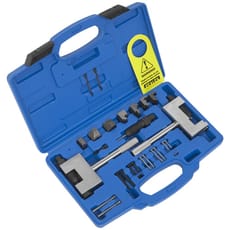
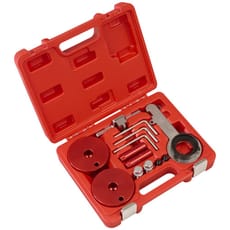
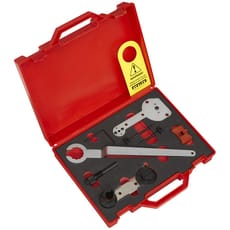
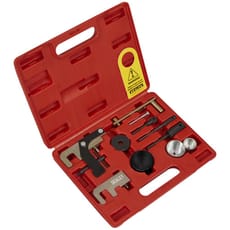
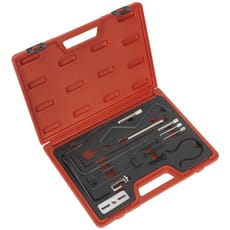
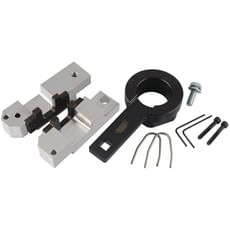
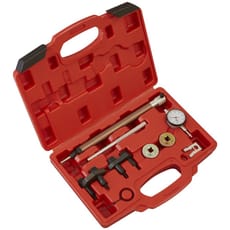
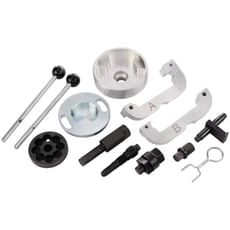
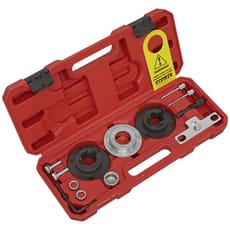
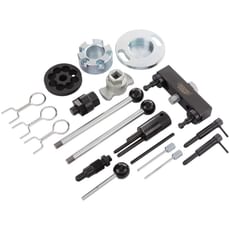
Timing, camshaft and crankshaft tools are specialised automotive equipment designed for precision engine work, particularly when servicing or replacing timing belts, timing chains, and related components. These tools enable mechanics and technicians to correctly align and lock engine components in their precise positions during timing belt changes, valve timing adjustments, and major engine overhauls. Without the correct timing tools, even experienced mechanics risk catastrophic engine damage from incorrectly timed valve and piston movements.
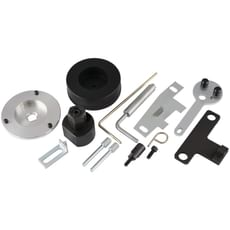
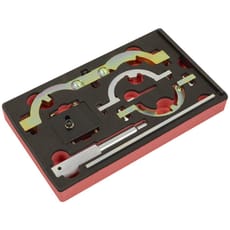
The range available from Tooled-Up.com features vehicle-specific timing kits from trusted brands including Draper and Sealey, covering major manufacturers such as Audi, BMW, Mercedes-Benz, Ford, Volkswagen, Peugeot, Citroen, and many others. Each kit contains the precise locking tools, holding fixtures, and tensioning equipment required for specific engine models. From camshaft locking tools and crankshaft holding devices to timing chain tensioners and cam chain wear indicators, these professional-grade tools ensure timing procedures are carried out safely and accurately according to manufacturer specifications.
Whether you're running a busy garage workshop or maintaining your own fleet of vehicles, having the correct timing tools for the engines you work on is essential. Modern engines operate with incredibly tight tolerances, and timing components must be positioned with absolute precision. Complete engine timing kits provide all necessary tools for specific vehicle applications, whilst individual specialist tools suit targeted procedures such as balance shaft timing, cam chain tensioning, and crankshaft positioning.
Jargon Buster
- Timing Belt/Chain: The critical component that synchronises the rotation of the crankshaft and camshaft, ensuring valves open and close at precisely the correct moments in relation to piston movement. Belts require regular replacement; chains typically last longer but still require maintenance.
- Camshaft Locking Tool: A precision device that holds the camshaft in the correct rotational position during timing procedures, preventing movement that could result in valve-to-piston contact and serious engine damage.
- Crankshaft Locking Pin: A tool that secures the crankshaft in its designated timing position by inserting into a specific location in the engine block or crankshaft pulley, ensuring accurate alignment during belt or chain installation.
- TDC (Top Dead Centre): The highest position a piston reaches in its cylinder during the compression stroke. Many timing procedures require positioning specific pistons at TDC to achieve correct valve timing alignment.
- Timing Marks: Manufacturer-specified indicators on timing components (sprockets, pulleys, covers) that must be aligned correctly to ensure proper engine timing. Alignment tools help mechanics verify these marks are positioned accurately.
- Cam Chain Tensioner: A component or tool that maintains correct tension on the timing chain, preventing slack that could cause timing slip or excessive wear. Some timing procedures require special tools to compress or reset these tensioners.
Who Uses Timing, Camshaft & Crankshaft Tools?
- Professional Automotive Technicians: Workshop mechanics in independent garages and franchised dealerships performing routine timing belt services and major engine work
- Mobile Mechanics: Self-employed technicians offering on-site vehicle servicing who need portable, vehicle-specific timing tool kits
- Fleet Maintenance Engineers: Those responsible for maintaining commercial vehicle fleets, delivery vans, and company cars requiring regular timing belt replacements
- MOT Testing Centres: Workshops identifying timing-related issues during inspections and performing subsequent repair work
- Agricultural and Plant Engineers: Technicians maintaining engines in tractors, generators, and construction equipment that share automotive engine platforms
- Marine Engineers: Those servicing boat engines based on automotive diesel and petrol powerplants requiring similar timing procedures
- Serious DIY Enthusiasts: Competent home mechanics with proper knowledge undertaking their own timing belt changes to save on labour costs
- Motorsport Technicians: Race preparation specialists performing frequent engine rebuilds and timing adjustments for optimal performance
How to Choose the Right Timing, Camshaft & Crankshaft Tools
Vehicle Compatibility: The most critical factor is ensuring the timing kit matches your specific engine application. Timing tools are highly vehicle and engine-specific – a kit for a Ford 1.6 TDCi engine will not work on a Ford 2.0 EcoBoost. Always verify the kit covers the exact make, model, engine code, and year range you're working on. Product descriptions at Tooled-Up include comprehensive vehicle compatibility information to help you select correctly.
Complete Kit vs Individual Tools: Complete engine timing kits provide all necessary tools for a full timing belt or chain replacement, including camshaft locks, crankshaft positioning tools, tensioner adjustment devices, and any specialist fixtures. These offer better value when you regularly service specific vehicle types. Individual tools suit workshops with existing equipment needing to add specific components or specialists focusing on particular procedures like cam chain tensioning.
Build Quality and Accuracy: Engine timing demands absolute precision – poorly manufactured tools with incorrect dimensions or excessive tolerances can result in inaccurate timing and potential engine damage. Professional brands like Draper manufacture tools to exacting specifications, with hardened materials and precisely machined dimensions that match OEM requirements. This is not an area to compromise with budget alternatives.
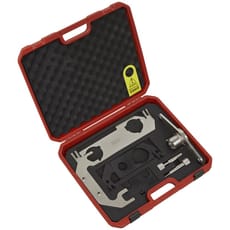
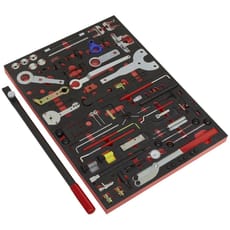
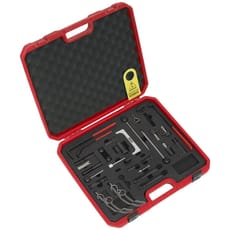
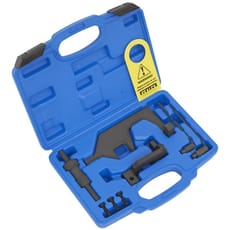
Storage and Organisation: Quality timing kits come in organised storage cases with foam inserts or compartments that keep tools secure and easily identifiable. This is particularly valuable in busy workshop environments where tools must be located quickly and returned correctly after use. A good storage system also helps prevent loss of small components like locking pins and bolts.
Workshop Frequency: Consider how often you'll perform timing work on specific vehicles. High-volume workshops working predominantly on particular marques (such as VAG group vehicles) benefit from investing in comprehensive manufacturer-specific kits. Lower-volume workshops might build their collection gradually based on customer vehicle profiles.
Technical Documentation: Look for kits supplied with clear instructions, application charts, and vehicle compatibility lists. This supporting documentation helps ensure correct tool selection and proper usage, particularly valuable when technicians encounter unfamiliar engine variants.
Popular Accessories
- Timing Belt Replacement Kits: Complete belt, tensioner, and pulley sets for specific vehicles, ensuring all worn components are renewed during timing service
- Torque Wrenches: Essential for correctly tensioning timing belt bolts and crankshaft pulley fixings to manufacturer specifications
- Inspection Lamps and Mirrors: Crucial for viewing timing marks in difficult-to-access engine bay locations
- Engine Support Bars: Used to safely support engine weight when removing engine mounts during timing belt access
- Workshop Manuals and Data Subscriptions: Technical information providing specific timing procedures, locking positions, and torque specifications for different vehicles
- Harmonic Balancer Pullers: Specialist tools for removing crankshaft pulleys without damage when accessing timing components
- Dial Gauges and TDC Indicators: Precision measuring instruments for verifying exact piston positioning during timing procedures
- Tool Storage Cabinets: Organised storage solutions for maintaining growing collections of vehicle-specific timing tool kits
Safety Information
Risk of Engine Damage: Incorrect timing tool use or applying tools to incompatible engines can result in severe and costly engine damage. Always verify tool compatibility with your specific engine before beginning work. If timing is set incorrectly, valves may contact pistons when the engine is started, causing bent valves, damaged pistons, and potentially complete engine failure requiring replacement.
Moving Parts Hazard: When setting engine timing, there's potential for the engine to rotate unexpectedly if not properly secured. Always ensure the vehicle is in gear (manual transmission) or park (automatic), with the handbrake applied. Never place hands or tools in positions where they could be trapped if rotation occurs. Disconnect the battery negative terminal when working around the engine to prevent accidental starter motor engagement.
Heavy Component Handling: Engine timing work often requires removing heavy components such as crankshaft pulleys, timing covers, and auxiliary drive components. Use appropriate lifting techniques and support equipment to prevent strain injuries. Be aware that sudden release of spring-loaded tensioners can cause injury – follow manufacturer procedures for safe compression and installation.
Proper Workspace: Ensure adequate lighting and workspace organisation when performing timing procedures. Good visibility of timing marks and locking positions is essential. Keep the work area clean and free from oil or coolant spills that could cause slips. Follow HSE guidance for workshop safety and maintain adequate ventilation, particularly when running engines for post-repair verification.
Frequently Asked Questions
Can I use timing tools designed for one vehicle on a similar model?
Generally no – timing tools are engineered for specific engine codes and variants. Even within the same vehicle manufacturer, different engines require different locking tool dimensions and configurations. Using incorrect tools can damage engine components or result in inaccurate timing. Always verify the tool kit specifically lists your engine variant in its compatibility information before use.
How often do timing belts need replacing?
Timing belt replacement intervals vary significantly by manufacturer and engine type, typically ranging from 40,000 to 100,000 miles or 4 to 10 years, whichever comes first. Always consult the vehicle manufacturer's service schedule for your specific model. Timing chains generally last longer but still require inspection and occasional replacement. Neglecting timing belt replacement can result in belt failure and catastrophic engine damage on interference engines.
Do I need different tools for timing belt vs timing chain engines?
While the fundamental principle of locking the camshaft and crankshaft positions remains the same, the specific tools required often differ. Chain-driven engines may require chain tensioner compression tools, chain wear measurement devices, and different locking mechanisms compared to belt-driven equivalents. Always select tools appropriate for your specific engine type – the product descriptions clearly indicate whether kits are suitable for belt or chain applications.
Are Draper timing tools suitable for professional workshop use?
Yes, Draper manufacture professional-grade timing tools that meet the demands of busy workshop environments. Their tools are manufactured to precise tolerances matching OEM specifications, using durable materials suitable for repeated use. Many professional mechanics and independent garages rely on Draper timing kits as cost-effective alternatives to main dealer tooling whilst maintaining the accuracy essential for safe timing procedures.
What happens if I set the engine timing incorrectly?
On interference engines (where valve and piston paths overlap), incorrect timing can cause valves and pistons to collide when the engine rotates, resulting in bent valves, damaged pistons, and potentially destroyed cylinder heads requiring extensive and expensive repairs. On non-interference engines, incorrect timing typically results in poor running, lack of power, increased emissions, or failure to start, but without immediate catastrophic damage. This is why using correct, vehicle-specific timing tools and following proper procedures is absolutely essential.