

Tinsnips

Pay in 3 interest-free payments on purchases from £20-£3000 with  . Learn more.
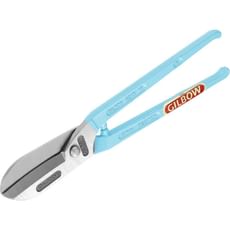
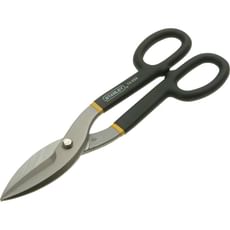
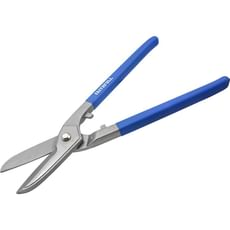
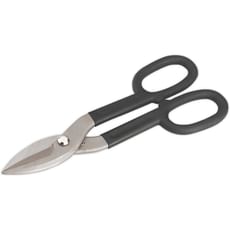
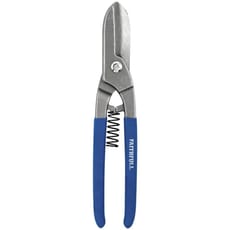
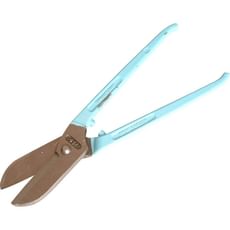
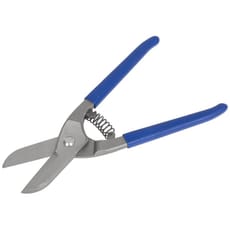
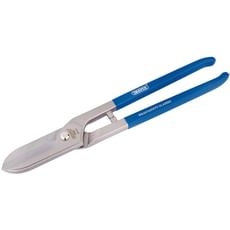
 Loading...
End of content
Error - No more pages to load
About Tinsnips
Tinsnips, also known as tin snips or aviation snips, are essential hand-cutting tools designed for cutting sheet metal, aluminium, plastic, and other thin materials. These versatile cutting implements feature sharp, robust blades and sturdy handles that provide the leverage needed to slice through tough materials with precision and control. Available in various configurations including straight-cut, left-cut, and right-cut patterns, tinsnips are indispensable tools for metalworkers, roofers, HVAC engineers, and anyone working with sheet materials.
The range at Tooled-Up includes professional-grade tinsnips from trusted manufacturers such as Gilbow, Sealey, Stanley, Draper, Faithfull, and Blue Spot. Most tinsnips feature drop-forged or high-carbon steel construction that has been hardened and tempered for exceptional durability and edge retention. Many models incorporate spring-loaded mechanisms for reduced hand fatigue during extended use, whilst handle locks provide safe storage when the tools are not in use.
Whether you're cutting ductwork, fabricating metal flashing, trimming roofing materials, or working on automotive body repairs, selecting the appropriate tinsnips for your application ensures clean, accurate cuts without distorting the material. Professional-quality tinsnips deliver years of reliable service when properly maintained, making them a worthwhile investment for both tradespeople and serious DIY enthusiasts.
Jargon Buster
- Drop Forged: A manufacturing process where heated metal is shaped under extreme pressure, creating tools with superior strength and durability compared to cast alternatives.
- Straight-Cut Tinsnips: The most common type, designed for cutting straight lines and gentle curves in sheet metal. Ideal for general-purpose metalwork and cutting along marked lines.
- Aviation Snips: Compound-action tinsnips available in left-cut, right-cut, and straight patterns, offering greater cutting power with less hand effort. Colour-coded handles indicate cutting direction (red for left, green for right, yellow for straight).
- Spring-Loaded Action: A spring mechanism between the handles that automatically reopens the blades after each cut, reducing hand fatigue during repetitive cutting tasks.
- Hardened and Tempered: A heat-treatment process that strengthens steel blades whilst maintaining flexibility, preventing brittleness and ensuring long-lasting sharpness.
- Throat Depth: The distance from the cutting edge to the back of the blade, determining how far into a sheet you can cut from the edge.
Who Uses Tinsnips?
- Roofers and cladders – cutting flashing, guttering, ridge caps, and metal roofing materials
- HVAC engineers – fabricating and cutting ductwork and ventilation components
- Plumbers – trimming metal pipe collars, back plates, and sheet metal modifications
- Sheet metal workers – professional metal fabrication and bespoke metalwork
- Automotive body repair specialists – cutting and shaping metal panels and trim
- Electricians – cutting metal trunking, conduit covers, and electrical enclosures
- General builders – trimming metal profiles, cutting expanded metal mesh, and site metalwork
- Shopfitters and joiners – cutting metal edging, trim, and architectural metalwork
- DIY enthusiasts – home improvement projects involving guttering, flashing, and metal fabrication
How to Choose the Right Tinsnips
Cutting Pattern: Straight-cut tinsnips are the most versatile choice for general work, whilst left-cut and right-cut aviation snips are essential for cutting curves and circles. Consider purchasing a set if you regularly work with complex shapes.
Build Quality: Professional tinsnips from brands like Stanley, Gilbow, and Sealey feature drop-forged construction with hardened and tempered blades. This ensures longevity and consistent cutting performance, making them worth the investment over cheaper alternatives.
Handle Comfort: Look for cushioned or ergonomically designed handles if you'll be using tinsnips extensively. Spring-loaded models significantly reduce hand fatigue during repetitive cutting operations, particularly beneficial for trade professionals.
Blade Length: Standard tinsnips typically range from 200mm to 300mm (8-12 inches). Longer blades provide greater leverage and cut longer sections in one action, whilst shorter snips offer better manoeuvrability in confined spaces.
Material Thickness Capacity: Check the manufacturer's specifications for maximum cutting capacity. Most quality tinsnips handle mild steel up to 1.2mm thickness, though capacity varies by model and material type.
Safety Features: Handle locks are essential for safe storage and transport, preventing accidental cuts when the tools are stored in toolboxes or work belts.
Popular Accessories
- Work gloves – cut-resistant gloves protect hands from sharp metal edges whilst cutting
- Safety glasses – essential eye protection against metal splinters and fragments
- Metal files – for deburring and smoothing cut edges
- Marking tools – engineers' markers, scribers, and chinagraph pencils for marking cut lines
- Tool belts and pouches – convenient carrying solutions for site work
- Metal cutting lubricant – reduces friction and extends blade life
- Sharpening stones – for maintaining blade sharpness
- Measuring tools – steel rules, tape measures, and squares for accurate marking
Safety Information
Always wear appropriate personal protective equipment when using tinsnips, including cut-resistant gloves and safety glasses to protect against sharp metal edges and flying fragments. Freshly cut metal edges are extremely sharp and can cause serious lacerations – handle materials carefully and deburr edges promptly.
Ensure tinsnips are properly maintained with sharp, aligned blades. Dull blades require excessive force, increasing the risk of the tool slipping and causing injury. Store tinsnips with handle locks engaged to prevent accidental cuts when reaching into toolboxes.
When cutting overhead or in awkward positions, maintain secure footing and body positioning. Never force tinsnips beyond their rated capacity, as this can cause blade damage or sudden tool failure. Keep fingers clear of the cutting path and be aware of where cut material will fall or spring.
Frequently Asked Questions
What's the difference between tinsnips and aviation snips?
Aviation snips feature compound-action mechanisms that multiply cutting force, making them more powerful than standard tinsnips. They're available in directional patterns (left, right, straight) specifically designed for cutting curves, whilst traditional tinsnips are primarily for straight cuts and gentle curves.
How thick a material can tinsnips cut?
Quality tinsnips typically cut mild steel up to 1.2mm thick, though capacity varies by model and material hardness. Aluminium and softer metals can often be cut at greater thicknesses. Always check the manufacturer's specifications and avoid forcing the tool beyond its rated capacity.
How do I maintain my tinsnips?
Clean blades after use to remove metal particles and debris. Apply a light machine oil to the pivot point and blades to prevent rust and ensure smooth operation. Periodically check and tighten the pivot bolt if blades become loose. Professional sharpening can restore cutting performance when blades become dull.
Can I use tinsnips to cut wire or cable?
Whilst tinsnips can cut soft wire in an emergency, they're not designed for this purpose and doing so will damage the blade edges. Use proper wire cutters or cable cutters for these applications to maintain your tinsnips' cutting performance on sheet materials.
Which colour aviation snips should I choose?
Yellow-handled snips cut straight, green-handled cut clockwise curves (right-cut), and red-handled cut anticlockwise curves (left-cut). For versatility, Tooled-Up.com stocks various patterns to suit different cutting requirements, with many professionals keeping all three types in their toolkit.