

Tool Backpacks
Pay in 3 interest-free payments on purchases from £30-2000 with  . Learn more.
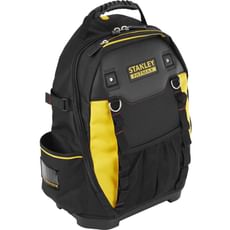
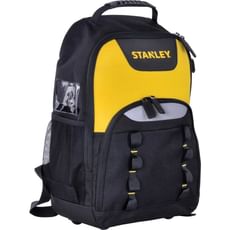
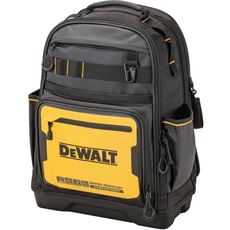
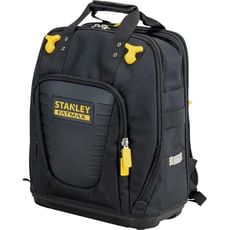
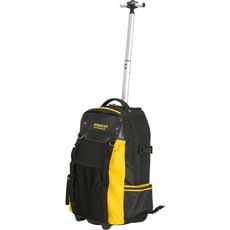
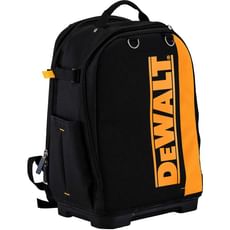
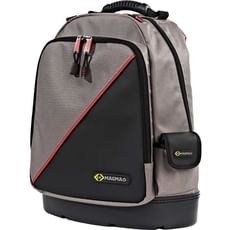
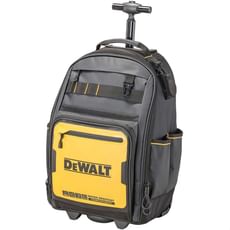
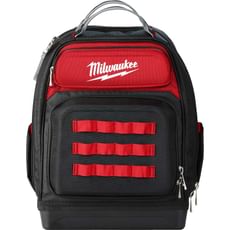
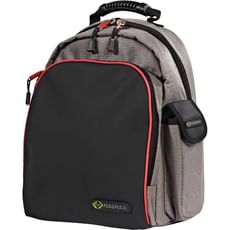
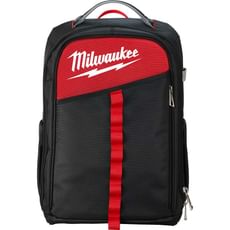
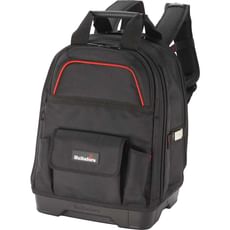
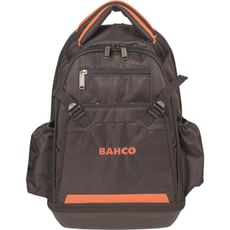
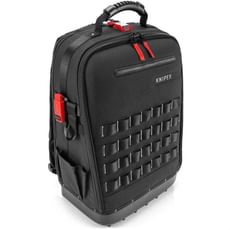
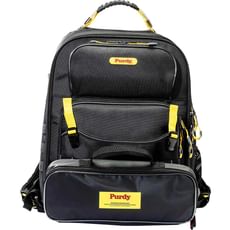
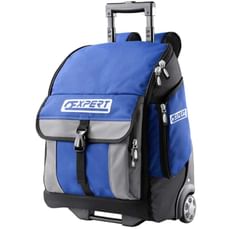
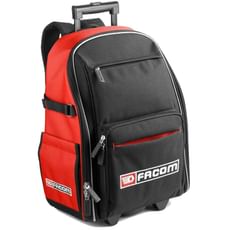
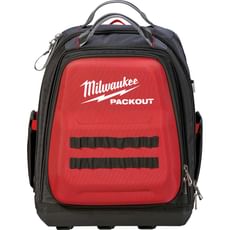
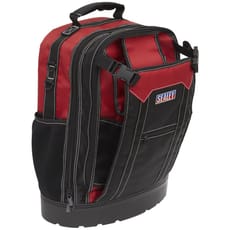
 Loading...
End of content
Error - No more pages to load
About Tool Backpacks
Tool backpacks represent a modern evolution in portable tool storage, combining the ergonomic benefits of traditional rucksacks with the robust construction and organisational features demanded by professional tradespeople. Unlike conventional tool bags that can strain shoulders and arms during transport, tool backpacks distribute weight evenly across both shoulders, making them ideal for tradespeople who regularly move between job sites, work across multiple floors, or navigate tight spaces where wheeled storage would prove impractical. The range available from Tooled-Up.com includes everything from compact electrician's backpacks to heavy-duty wheeled models capable of carrying substantial tool kits.
Modern tool backpacks feature reinforced bases, weather-resistant materials, and intelligent compartmentalisation designed specifically for tools and equipment rather than general cargo. Many incorporate moulded or hard plastic bases that protect contents from moisture when placed on wet surfaces, whilst multiple internal and external pockets keep hand tools, fixings, and accessories organised and accessible. Premium models from brands such as DeWalt, Milwaukee, and Facom include padded laptop compartments, allowing mobile tradespeople to carry diagnostic equipment, tablets, and documentation alongside their tools.
The construction of professional tool backpacks typically utilises heavy-duty polyester ranging from 600D to 1680D denier ratings, with reinforced stitching, metal zips, and padded shoulder straps designed to withstand daily site use. Tooled-Up stocks backpacks with load capacities ranging from lightweight technician models holding essential tools up to robust options capable of safely carrying 20kg or more, with some featuring trolley wheels and telescopic handles for maximum versatility when moving heavier loads.
Jargon Buster
- Denier (D): A measurement of fabric weight and density, indicating durability. Higher denier ratings (e.g., 1680D) mean thicker, more abrasion-resistant material, whilst lower ratings (600D) offer lighter weight at the expense of some durability.
- Moulded Base: A rigid, water-resistant bottom section formed from hard plastic that protects tools from impact damage and prevents moisture ingress when the backpack is placed on wet ground or concrete floors.
- Load Capacity: The maximum weight of tools and equipment a backpack is designed to carry safely whilst maintaining structural integrity and user comfort, typically ranging from 10kg to 25kg for professional models.
- Modular System: A tool storage approach where backpacks accept interchangeable pouches, organisers, and accessories that can be configured according to specific trades or tasks, exemplified by systems like the Knipex X18.
- Ergonomic Harness: Padded shoulder straps and back panels designed to distribute weight evenly, reduce pressure points, and maintain comfort during extended carrying periods, often featuring breathable mesh materials.
- Cable Management: Dedicated compartments and pass-through openings that allow power cables for cordless tool batteries or device charging leads to be neatly routed without tangling with hand tools.
Who Uses Tool Backpacks?
- Electricians and Sparkies: Professionals requiring organised storage for cable strippers, multimeters, screwdrivers, and testing equipment whilst working across multiple floors
- IT Technicians and AV Installers: Specialists carrying diagnostic tools, cable crimpers, and laptop equipment to various client locations
- Plumbers and Heating Engineers: Tradespeople needing portable storage for pipe cutters, wrenches, and testing equipment when accessing loft spaces or tight installations
- Maintenance Engineers: Mobile technicians servicing equipment across facilities who require quick access to diverse tool sets
- Security and Access Control Installers: Specialists fitting alarm systems, CCTV, and entry systems who need organised storage for cables, fixings, and installation tools
- Carpenters and Joiners: Tradespeople working on site requiring measurement tools, hand tools, and fixings without the bulk of traditional toolboxes
- HVAC Technicians: Engineers servicing heating and ventilation systems in residential and commercial properties
- Telecommunications Engineers: Professionals installing and maintaining broadband, telephone, and network infrastructure
- DIY Enthusiasts: Home improvers undertaking projects requiring organised tool transport between home and workshop spaces
How to Choose the Right Tool Backpacks
Load Capacity and Size: Consider the volume and weight of tools you regularly carry. Electricians might manage with a 15kg capacity backpack, whilst maintenance engineers requiring diverse equipment may need 20kg+ models. Measure your typical tool kit before purchasing to ensure adequate capacity without excess bulk.
Material Durability: Look for high-denier polyester (1680D offers excellent durability) with reinforced stress points and quality metal zips. The selection at Tooled-Up.com includes backpacks with waterproof or weather-resistant coatings essential for site work in British weather conditions.
Base Construction: A moulded or reinforced hard plastic base protects tools from impact and moisture when placed on concrete floors, wet ground, or vehicle load beds. This feature proves particularly valuable for tradespeople working outdoors or on construction sites.
Organisation Features: Assess internal compartmentalisation based on your trade. Electricians benefit from multiple small pockets for terminals and connectors, whilst carpenters may prefer fewer, larger compartments for bulkier hand tools. External pockets should accommodate frequently accessed items like tape measures, pencils, and mobile phones.
Comfort and Ergonomics: Padded, adjustable shoulder straps with chest and waist stabilisation straps distribute weight effectively during extended carrying. Breathable mesh back panels reduce perspiration, particularly important when climbing stairs or working in warm environments. Test the harness adjustment range if possible to ensure proper fit.
Mobility Options: Consider whether wheeled functionality would benefit your workflow. Models like the DeWalt Pro Backpack on Wheels or Facom BS.RB offer convertible designs combining backpack portability with trolley convenience for heavier loads or longer distances.
Laptop and Device Storage: Modern tradespeople increasingly carry tablets for diagnostics, job sheets, and communication. Padded laptop compartments protect expensive electronics whilst keeping them separate from tools. Check dimensions to ensure compatibility with your specific devices.
Brand Reputation: Established manufacturers like Milwaukee, Stanley, and Bahco apply their tool-making expertise to backpack design, resulting in products that understand tradesperson needs. These brands typically offer better warranty support and replacement part availability.
Popular Accessories
- Modular Pouches and Organisers: Interchangeable internal organisers for screws, fixings, and small components that complement backpack storage
- Tool Rolls and Wraps: Supplementary storage for specialist tools like chisels, drill bits, or screwdriver sets that benefit from individual protection
- Kneeling Pads: Portable cushioning for floor work that can be strapped to backpack exteriors when not in use
- Head Torches and Work Lights: Hands-free illumination essential for loft spaces, under-sink work, and poorly lit installations
- Cable Ties and Organisers: Essential for managing power tool charging cables and preventing tangles within backpack compartments
- Weather Covers: Rain protection for backpacks lacking integrated waterproofing, particularly useful during exposed site work
- Carabiners and Clips: Additional attachment points for measuring tapes, spirit levels, or other tools requiring external mounting
- Portable Power Banks: Battery charging solutions for mobile devices and USB-rechargeable tools whilst working remotely
Frequently Asked Questions
What load capacity do I need for a tool backpack?
Load capacity requirements depend on your trade and working style. Electricians and IT technicians typically work comfortably with 10-15kg capacity backpacks holding hand tools, multimeters, and cable accessories. Maintenance engineers and plumbers requiring more diverse tool sets should consider 15-20kg models. If you regularly carry cordless power tools, battery chargers, or bulky equipment, look for heavy-duty options rated for 20kg or more. Remember that whilst a backpack may support higher weights, ergonomic carrying limits typically range from 10-15% of body weight for extended periods.
Are tool backpacks better than traditional tool bags?
Tool backpacks offer significant ergonomic advantages over traditional shoulder bags or hand-carried tool boxes, particularly when navigating stairs, ladders, or working across multiple floors. The even weight distribution across both shoulders reduces strain and fatigue compared to single-shoulder bags. However, traditional tool bags may offer quicker access to contents when working from a fixed position. Many tradespeople at Tooled-Up choose backpacks for mobile work and traditional bags or boxes for workshop-based tasks, selecting the right storage solution for specific working environments.
Can tool backpacks be used as hand luggage on flights?
Whilst many tool backpacks meet airline size restrictions for cabin baggage (typically 56cm x 45cm x 25cm), carrying tools in hand luggage presents security challenges. Sharp tools, blades, screwdrivers over certain lengths, and any items that could be considered weapons must travel in checked baggage according to UK aviation security regulations. If you need to fly with tools regularly, consider keeping a basic tool kit in checked luggage whilst carrying only documentation, measuring equipment, and non-restricted items in a compliant backpack.
How do I maintain and clean my tool backpack?
Regular maintenance extends backpack lifespan significantly. Empty the backpack completely and vacuum interior compartments monthly to remove dust, metal filings, and debris that can abrade fabric. Spot-clean stains with mild detergent and warm water, avoiding harsh chemicals that might damage water-resistant coatings. Check and lubricate metal zips periodically with silicone spray. Inspect stitching, straps, and base annually for wear, addressing minor repairs promptly before they worsen. Store backpacks in dry conditions when not in use, and avoid leaving heavy loads compressed for extended periods as this can deform padding and frames.
Are wheeled tool backpacks worth the extra cost?
Wheeled tool backpacks justify their premium pricing for tradespeople regularly carrying heavy loads across smooth surfaces like warehouse floors, car parks, or office buildings. The convertible design offers backpack portability when navigating stairs or rough terrain, switching to trolley mode for easier transport across flat ground. However, the additional weight of wheels and telescopic handles (typically 1-2kg) reduces effective load capacity when carried as a backpack. Assess your typical working environments: if you frequently encounter stairs, ladders, or uneven ground, a lighter traditional backpack may prove more practical despite the higher carrying effort.