

Tool Bags & Rucksacks
Pay in 3 interest-free payments on purchases from £30-2000 with  . Learn more.
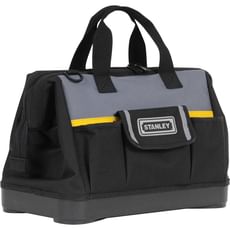
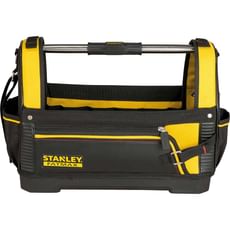
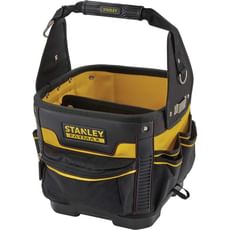
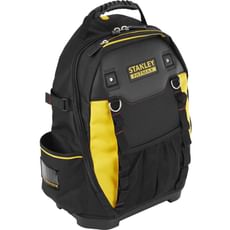
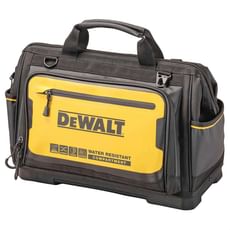
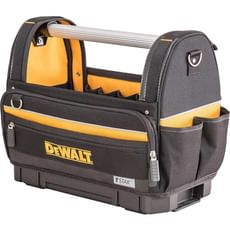
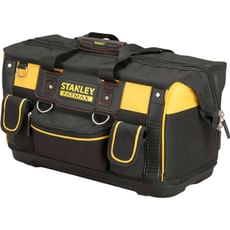
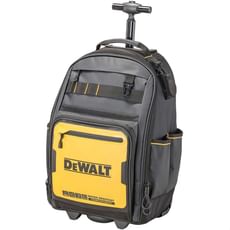
 Loading...
End of content
Error - No more pages to load
About Tool Bags & Rucksacks
Keeping tools organised, protected and easily transportable is essential for any tradesperson or serious DIY enthusiast. Tool bags and rucksacks provide practical storage solutions that range from compact pouches for essential hand tools to large wheeled bags capable of carrying heavy power tools and equipment between job sites. The right carrying solution not only protects valuable tools from damage but also improves efficiency by keeping everything accessible and organised, reducing time wasted searching for the right tool.
Modern tool storage has evolved significantly beyond the traditional canvas tool bag. Today's professional-grade carrying solutions feature reinforced bases, weatherproof materials, ergonomic carrying systems, and intelligent compartmentalisation designed around the specific needs of different trades. Tooled-Up.com stocks options from leading manufacturers including Milwaukee, DeWalt, Makita, Stanley, and Veto Pro Pac, with designs tailored to electricians, plumbers, carpenters, and multi-trade professionals. Whether you need a lightweight tool roll for hand tools, a robust backpack for daily site work, or a wheeled bag for transporting heavy equipment, the range available covers every requirement.
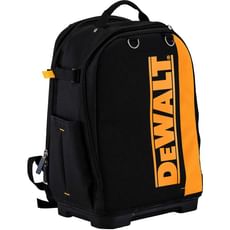
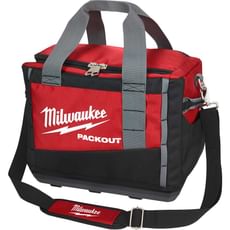
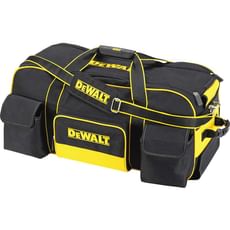
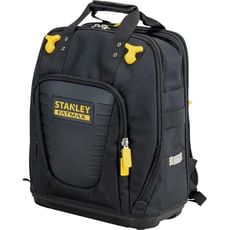
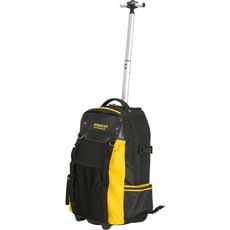
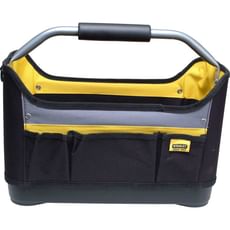
The category encompasses several distinct product types, each suited to different working environments and tool collections. Tool backpacks and rucksacks distribute weight evenly across your shoulders, making them ideal for professionals who need to climb ladders or navigate multi-storey buildings. Traditional tool bags offer quick access with wide openings and are perfect for vehicle-based tradespeople. Tool rolls provide compact storage for hand tools and precision instruments, whilst wheeled tool bags handle the heaviest loads with minimal physical strain, making them indispensable for professionals with extensive tool collections.
Jargon Buster
- Ballistic Nylon: An extremely durable synthetic fabric originally developed for military applications, now commonly used in premium tool bags for its exceptional resistance to tears, abrasion and punctures.
- Padded Shoulder Straps: Cushioned straps designed to distribute weight evenly and reduce pressure points when carrying heavy loads, often featuring adjustable chest and waist straps for additional support.
- Base Protection: Reinforced bottom construction using materials like rigid plastic or rubberised panels that protect the bag contents from moisture, impacts and abrasion when placed on rough surfaces.
- Cable Pocket: A dedicated internal or external compartment specifically designed for storing power leads, extension cables and cable reels separately from tools to prevent tangling.
- Tool Board/Organiser Panel: An internal panel featuring multiple pockets, loops and holders arranged to keep tools visible and accessible, allowing quick identification and retrieval without rummaging.
- IP Rating: Ingress Protection rating that indicates a bag's resistance to dust and water penetration, with higher numbers offering better protection for tools in harsh working environments.
Who Uses Tool Bags & Rucksacks?
Tool bags and rucksacks are essential equipment for a wide range of trades and users:
- Electricians (Sparkies): Require organised compartments for meters, wire strippers, cable cutters and testing equipment
- Plumbers: Need durable, water-resistant bags with space for pipe cutters, wrenches and sealants
- Carpenters and Joiners (Chippies): Benefit from bags with reinforced tool holders for chisels, hand saws, squares and marking tools
- HVAC Engineers: Use specialised bags accommodating both hand tools and diagnostic equipment
- Maintenance Engineers: Require versatile storage for diverse tool sets used across multiple disciplines
- General Builders: Need robust, high-capacity bags suitable for varied daily tasks
- Site Managers and Surveyors: Use professional bags for measuring equipment, documentation and hand tools
- DIY Enthusiasts: Benefit from organised storage that protects home tool collections and facilitates project work
- Mobile Service Engineers: Require backpacks or wheeled bags for transporting tools to customer premises
How to Choose the Right Tool Bags & Rucksacks
Selecting the appropriate tool carrying solution depends on several key factors:
Capacity and Size: Consider the volume and weight of tools you regularly transport. Compact tool rolls suit minimal hand tool sets, whilst extensive power tool collections require large-capacity wheeled bags or backpacks. Assess whether you need a single comprehensive bag or multiple specialised carriers for different job types.
Mobility Requirements: Evaluate your typical working environment. Professionals working across multiple floors benefit from backpacks that leave hands free for climbing ladders. Those loading tools from vehicles may prefer traditional open-top bags for quick access. For heavy loads or longer distances, wheeled bags with telescopic handles significantly reduce physical strain.
Organisation Features: Look for intelligent compartmentalisation matching your tool collection. Electricians benefit from multiple small pockets for components and meters, whilst carpenters need fewer, larger compartments. Internal tool boards, cable pockets, and external quick-access pouches improve efficiency. The selection at Tooled-Up includes options from brands like Veto Pro Pac that specialise in trade-specific organisation systems.
Durability and Material: Professional use demands robust construction. Ballistic nylon and reinforced polyester offer excellent tear resistance, whilst rubberised bases protect against moisture and abrasion. Check stitching quality, zip strength (YKK zips are industry-leading), and whether handles and straps feature reinforced attachment points. Water-resistant or weatherproof materials protect valuable tools and electronics.
Ergonomics and Comfort: For carried bags, padded shoulder straps, breathable back panels, and chest/waist straps distribute weight effectively. Ensure handles are comfortable for prolonged carrying. Test the bag's balance when loaded—a well-designed bag maintains stability whether carried, worn or placed on surfaces.
Security Features: Consider lockable zips or provisions for padlocks if tools will be left in vehicles or on sites. Some premium models include hidden pockets for valuables and reinforced construction that deters opportunistic theft.
Popular Accessories
- Tool Belts and Pouches: Complement bags by providing immediate access to frequently-used tools whilst working
- Modular Storage Systems: DeWalt TSTAK, Milwaukee PACKOUT and Makita MakPac systems integrate with bags for scalable storage
- Cable Ties and Organisers: Keep power leads and extension cables tidy within bag compartments
- Tool Foam Inserts: Custom-cut foam ensures tools remain secure and organised within bags
- Shoulder Strap Pads: Additional cushioning for heavy loads reduces fatigue during transport
- Rain Covers: Weatherproof protection for bags in harsh conditions
- Tool Identification Labels: Help maintain organisation and facilitate quick tool location
- Padlocks and Security Cables: Protect valuable tool collections when bags must be left unattended
Frequently Asked Questions
What's the difference between a tool bag and a tool rucksack?
Tool bags typically feature a single large compartment with wide top opening and carry handles or a single shoulder strap, providing excellent visibility and quick access to contents. Tool rucksacks use a backpack design with dual shoulder straps that distribute weight evenly across both shoulders, leaving hands free—particularly beneficial when climbing ladders or navigating stairs. Rucksacks generally offer better ergonomics for prolonged carrying, whilst traditional bags provide faster access when working from a fixed position.
How much weight can I safely carry in a tool backpack?
Whilst quality tool backpacks can structurally support 20-25kg, HSE guidance suggests limiting carried loads to reduce musculoskeletal strain. For regular carrying, aim for 10-15kg maximum, using proper lifting techniques and adjusting straps to distribute weight across hips and shoulders. For heavier tool collections, wheeled tool bags eliminate carrying strain entirely and represent a safer long-term solution for your back and joints.
Are expensive professional tool bags worth the investment?
Premium tool bags from manufacturers like Veto Pro Pac, Milwaukee and DeWalt typically offer significantly better durability, ergonomics and organisation than budget alternatives. Professional tradespeople often find these bags last 5-10 years of daily use compared to 12-18 months for cheaper options, making them more cost-effective long-term. The improved organisation also saves time on every job, whilst better protection prevents tool damage—often justifying the initial investment within the first year.
Can tool bags accommodate both hand tools and power tools?
Yes, many larger capacity tool bags and backpacks are specifically designed to carry both hand and power tools safely. Look for models with padded compartments or dividers that separate heavy power tools from more delicate hand tools and measuring equipment. Bags designed for mixed loads typically feature reinforced bases to handle the weight and internal organisation that prevents tools from shifting and damaging each other during transport.
How do I maintain and clean my tool bag?
Regular maintenance extends bag life significantly. Empty completely and vacuum or brush out dust and debris monthly. Spot-clean stains with mild detergent and warm water, avoiding harsh chemicals that may degrade materials. Allow bags to dry thoroughly before reloading to prevent mould and odours. Inspect zips, stitching and straps regularly, addressing minor repairs promptly before they worsen. Store bags in dry conditions when not in use, and avoid leaving them in hot vehicles where UV exposure and heat can degrade materials over time.