

Tool Bags

Pay in 3 interest-free payments on purchases from £20-£3000 with  . Learn more.
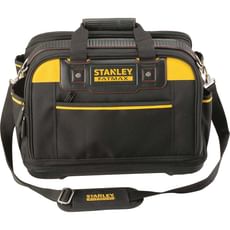
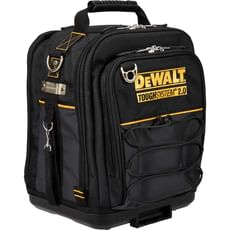
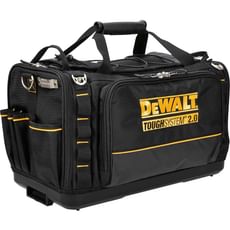
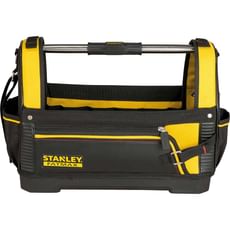
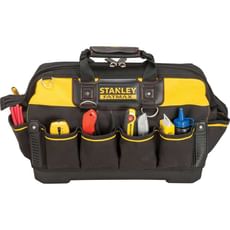
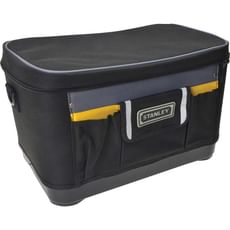
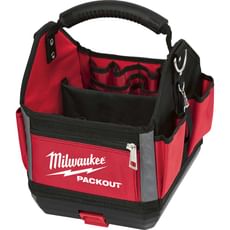
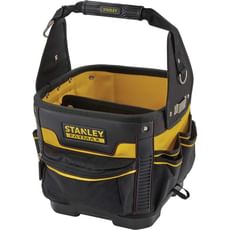
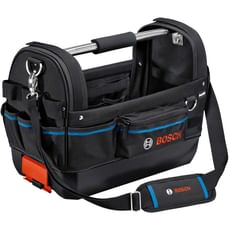
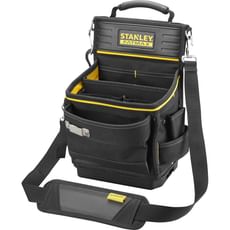
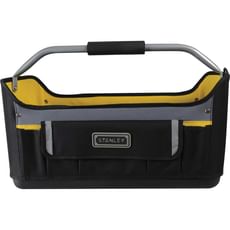
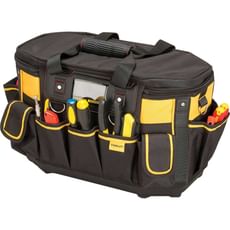
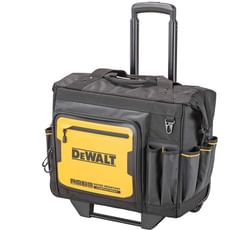
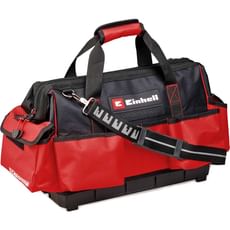
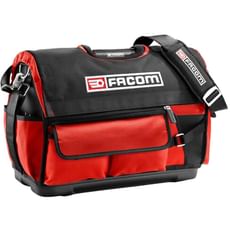
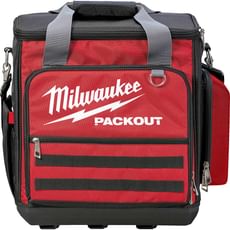
 Loading...
End of content
Error - No more pages to load
About Tool Bags
Tool bags are essential storage solutions designed to keep hand tools, small power tools, and accessories organised, protected, and easily transportable. Whether working on-site, in a workshop, or tackling DIY projects at home, a quality tool bag provides quick access to frequently used items whilst protecting valuable equipment from damage during transit. Modern tool bags range from simple open-tote designs with basic compartments to sophisticated closed-top systems with reinforced bases, multiple pockets, and weather-resistant materials.
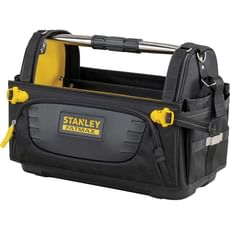
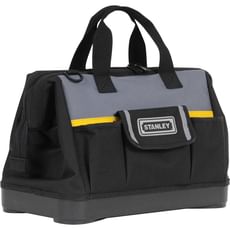
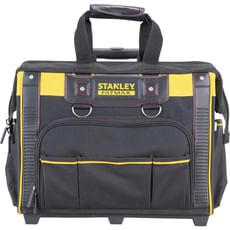
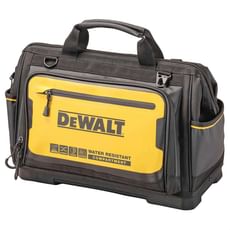
The selection at Tooled-Up.com includes open tote bags for easy access to everyday tools, closed-top bags for secure transportation, wheeled bags for heavy loads, and specialist designs tailored to specific trades such as electricians and plumbers. Premium manufacturers like DeWalt, Bahco, and Facom engineer their bags with durable fabrics, robust stitching, and thoughtful pocket configurations that accommodate everything from screwdrivers and pliers to cordless drill drivers and testing equipment. Many professional-grade bags feature waterproof bases to protect tools when placed on wet surfaces, reinforced handles for comfortable carrying, and external loops for securing tape measures, spirit levels, and other frequently accessed items.
Beyond traditional fabric designs, contemporary tool bag systems integrate with modular storage platforms such as DeWalt TSTAK, Milwaukee PACKOUT, and Festool Systainer ranges, allowing tradespeople to build customised tool transport solutions that stack securely in vans and workshops. These hybrid soft-storage options bridge the gap between rigid toolboxes and flexible bags, offering the portability of fabric construction with the organisation benefits of system-compatible storage.
Jargon Buster
- Open Tote Bag: A tool bag with an uncovered top opening, providing immediate access to tools without zips or flaps. Ideal for frequently accessed items but offers less protection against dust and weather.
- Hard Base: A rigid reinforced base panel, typically made from plastic or composite material, that maintains the bag's shape, protects tools from impact when placed on hard surfaces, and often features waterproof properties to keep contents dry on wet ground.
- Closed Top: Tool bags featuring zip fasteners, flaps, or drawstring closures that secure the main compartment, protecting contents from dust, debris, and weather whilst preventing tools from falling out during transport.
- Internal Pockets: Compartments located inside the main bag cavity, designed to separate and organise smaller items such as screwdrivers, pliers, and consumables, keeping them from tangling or becoming damaged.
- External Pockets: Additional storage pouches attached to the bag's exterior, providing quick access to frequently used tools and keeping dirty or sharp items separated from the main compartment.
- Padded Carry Strap: Shoulder straps with cushioned padding that distribute weight more comfortably across the shoulder, reducing fatigue during extended carrying periods, particularly important for bags exceeding 10kg when fully loaded.
Who Uses Tool Bags?
Tool bags serve a diverse range of professionals and enthusiasts who require portable tool storage:
- Electricians and Sparkies: Carrying cable strippers, voltage testers, screwdrivers, and small power tools to domestic and commercial installations
- Plumbers and Heating Engineers: Transporting pipe cutters, wrenches, spanners, and jointing equipment to multiple job sites daily
- Carpenters and Chippies: Organising hand saws, chisels, squares, marking tools, and cordless power tools for first and second fix work
- General Builders: Keeping essential hand tools, fixings, and accessories accessible whilst moving between tasks on construction sites
- Maintenance Engineers: Carrying diagnostic equipment, hand tools, and spare parts for facilities management and repair work
- HVAC Technicians: Storing specialised tools, refrigerant gauges, and testing equipment for heating and air conditioning installations
- DIY Enthusiasts: Organising home improvement tools for projects around the house and garden
- Auto Mechanics and Mobile Technicians: Transporting socket sets, spanners, and diagnostic tools to vehicle locations
How to Choose the Right Tool Bags
Selecting an appropriate tool bag depends on several practical considerations that match your working requirements:
Size and Capacity: Assess the volume and variety of tools you regularly transport. Compact bags (300-400mm length) suit light electrical work or minor repairs, whilst larger tote bags (500mm+) accommodate bulkier items including small power tools. Consider how the bag will be transported – wheeled options reduce strain when carrying heavy loads across sites, whilst smaller bags offer greater manoeuvrability in confined spaces.
Construction Quality: Tooled-Up stocks bags constructed from various materials including ballistic nylon, polyester canvas, and reinforced fabric blends. Professional-grade bags feature double or triple stitching at stress points, riveted handle attachments, and reinforced bases. Waterproof or water-resistant bases protect tools when placed on damp ground – particularly valuable for outdoor work in typical British weather conditions.
Organisation Features: Evaluate pocket configuration based on your specific tools. Electricians benefit from multiple small pockets for cable strippers, screwdrivers, and testing equipment, whilst carpenters require larger compartments for saws and chisels alongside external loops for tape measures and spirit levels. Internal dividers prevent tools from shifting during transport, reducing noise and damage.
Access Style: Open tote bags provide quickest access for frequently used tools but offer minimal weather protection. Closed-top designs with zip fasteners secure contents during transit and protect against dust ingress. Some professional bags combine both approaches with zip-away tops that convert between open and closed configurations.
Comfort and Ergonomics: Padded handles and adjustable shoulder straps significantly improve carrying comfort, particularly when tools exceed 8-10kg. Bags transported long distances or across large sites benefit from ergonomic designs that distribute weight effectively, whilst rigid grab handles suit short transfers between van and workspace.
System Compatibility: Consider whether the bag needs to integrate with existing tool storage systems. DeWalt Toughsystem, Milwaukee PACKOUT, and similar modular platforms offer bags that stack with hard cases, creating unified transport solutions for mixed tool collections.
Popular Accessories
- Tool Pouches and Belt Systems: Supplementary storage for items needed immediately to hand whilst working
- Padlock and Security Fasteners: Additional security for bags left in vehicles or on-site overnight
- Shoulder Strap Upgrades: Replacement or enhanced padded straps for improved carrying comfort
- Modular Storage Systems: DeWalt TSTAK, Milwaukee PACKOUT, or Makita MakPac cases that complement soft bag storage
- Tool Rolls and Organisers: Internal roll-up organisers for screwdrivers, chisels, and precision instruments
- LED Work Lights: Compact task lighting for working inside bags in poorly lit environments
- Kneeling Pads: Protective padding for site work, easily stored in larger tool bags
- Cable Ties and Organisers: Keeping power cables and extension leads tidy within bag compartments
Frequently Asked Questions
What's the difference between open tote and closed-top tool bags?
Open tote bags feature an uncovered top providing immediate access to contents, making them ideal for workshops or jobs requiring frequent tool changes. Closed-top bags have zip fasteners or flaps securing the main compartment, offering better protection against weather, dust, and accidental spillage during transport. Many professionals use open totes for static workshop environments and closed bags for mobile site work where tools need protection during transit.
How much weight can a typical tool bag carry?
Capacity varies considerably by design and construction quality. Basic bags handle 5-10kg comfortably, mid-range professional bags manage 15-20kg, whilst heavy-duty wheeled bags accommodate 30kg or more. However, practical carrying comfort often limits hand-carried bags to 12-15kg for extended periods. Always check manufacturer specifications and consider wheeled options if regularly transporting heavy tool collections across sites.
Are tool bags suitable for cordless power tools?
Yes, many modern tool bags include padded compartments specifically designed for compact cordless drills, impact drivers, and multi-tools. However, larger power tools such as circular saws, angle grinders, and full-size combi drills often require dedicated cases or hard storage systems. Bags designed for power tools typically feature reinforced construction and additional protection around tool compartments to prevent damage during transport.
How do I maintain and clean my tool bag?
Regular maintenance extends bag lifespan significantly. Empty the bag completely every few weeks, removing accumulated dust, debris, and metal filings that can cause premature wear. Wipe interior and exterior surfaces with a damp cloth – avoid submerging fabric bags unless specifically marked as washable. Check stitching, handles, and zip fasteners periodically, addressing minor repairs promptly before they worsen. Store bags in dry conditions when not in use, particularly if they've been exposed to wet conditions on-site.
Can tool bags integrate with van racking systems?
Many professional tool bags are designed with flat bases and standardised dimensions that fit common van racking shelves and storage systems. Brands like DeWalt, Milwaukee, and Makita offer bags that complement their modular storage ranges, creating cohesive transport solutions between van, workshop, and job site. Measure your van storage dimensions before purchasing to ensure compatibility, particularly for larger wheeled bags that require additional clearance space.