

Tool Belts

Pay in 3 interest-free payments on purchases from £20-£3000 with  . Learn more.
 Loading...
End of content
Error - No more pages to load
About Tool Belts
Tool belts are essential equipment for tradespeople and DIY enthusiasts who need quick, hands-free access to their most frequently used tools and fixings whilst working. A quality tool belt keeps screws, nails, tape measures, hammers, and other essential items within easy reach, eliminating countless trips back to the toolbox and significantly improving workflow efficiency on site. Whether you're framing walls, hanging doors, installing electrical fittings, or tackling home improvements, a well-organised tool belt system can transform your productivity.
Modern tool belts have evolved far beyond simple leather pouches. Tooled-Up.com stocks a comprehensive range from leading manufacturers including DeWalt, Makita, Milwaukee, and specialist brands like Kunys, offering everything from lightweight single-pocket pouches to heavy-duty multi-pocket rigs with padded belts and suspender systems. Materials range from traditional full-grain leather that moulds to your tools over time, to durable polyester and nylon options that resist water and are easier to clean. Many professional-grade systems feature reinforced stitching, metal rivets, and rust-proof hardware designed to withstand the rigours of daily site work.
The selection available from Tooled-Up includes basic work belts with integrated tool loops, mid-range options with multiple pouches and pockets for organised storage, and comprehensive tool belt rigs with padded belts, adjustable suspenders, and specialised compartments for different trades. Premium options from brands like Bosch Professional feature innovative mounting systems like ProClick, allowing you to customise your setup by adding or removing pouches as your task demands change throughout the day.
Jargon Buster
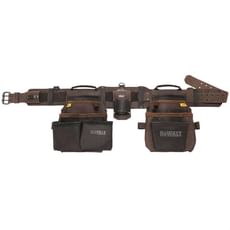
- Tool Belt Rig: A complete system comprising a padded belt, multiple pouches or bags, and often suspenders to distribute weight across your shoulders and hips. Rigs typically feature 12-18+ pockets and are designed for professional tradespeople carrying extensive tool loads.
- Nail Pouch/Nail Bag: A specialised pouch designed with a wide opening and reinforced bottom for carrying large quantities of nails, screws, or fixings. Often features separate compartments for different fastener sizes.
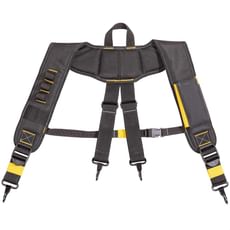
- Suspenders/Braces: Adjustable straps that go over the shoulders to help support the weight of a loaded tool belt, reducing strain on the lower back and hips during extended wear.
- Riveted Construction: A reinforcement method where metal rivets secure stress points and pocket attachments, providing superior strength compared to stitching alone and preventing premature failure under heavy loads.
- Tape Clip/Tape Thong: A dedicated holder or loop designed to securely carry a tape measure, positioning it for quick one-handed access without fumbling through pockets.
- Hammer Loop: A reinforced leather or fabric loop attached to the belt, designed to hold a hammer securely by its handle whilst keeping the head accessible for quick retrieval.
Who Uses Tool Belts?
Tool belts are indispensable equipment across numerous trades and applications:
- Carpenters and Joiners: For carrying chisels, pencils, tape measures, nails, and hand tools whilst framing, hanging doors, or fitting skirting boards
- Electricians: Lightweight belts for screwdrivers, wire strippers, cable cutters, connectors, and electrical tape during installation work
- Plumbers: For wrenches, cutters, PTFE tape, and fittings when working in tight spaces where a toolbox cannot easily reach
- Roofers: Heavy-duty leather options for carrying roofing nails, hammers, and knives whilst working at height
- Dry Liners and Plasterers: For trowels, tape measures, utility knives, and fixings during stud wall construction and boarding
- General Builders: Multi-pocket rigs providing organised storage for the varied tools needed across different tasks throughout the day
- Fencers and Landscapers: For carrying fixings, levels, and hand tools during outdoor construction projects
- DIY Enthusiasts: Home improvers tackling decking, shed building, or renovation projects who want professional-level organisation
- Maintenance Engineers: For carrying screwdrivers, spanners, and small components during facility repairs
How to Choose the Right Tool Belts
Consider Your Trade Requirements: Different trades demand different configurations. Carpenters typically need extensive nail storage and multiple large pockets for hand tools, whilst electricians benefit from smaller pouches with compartments for screwdrivers, wire strippers, and connectors. Match the pocket configuration to the tools you use most frequently.
Material Selection: Traditional full-grain leather offers durability and develops character over time, moulding to your tools for a custom fit. However, leather requires maintenance and can become heavy when wet. Modern polyester and ballistic nylon options available at Tooled-Up provide excellent durability, resist moisture, and are typically lighter weight. Consider your working environment when choosing materials.
Weight Distribution and Comfort: A loaded tool belt can become surprisingly heavy during a full day's work. Padded belts distribute weight more comfortably across your hips, whilst suspender systems transfer some load to your shoulders, significantly reducing lower back strain. If you regularly carry more than 5-6kg of tools and fixings, investing in a system with suspenders is worthwhile for long-term comfort and health.
Pocket Configuration: Count the different tools you typically carry and ensure your chosen belt has appropriate storage. Look for dedicated hammer loops, tape measure clips, and both deep pockets for bulky items and shallow compartments for small fixings. Some Bosch and Milwaukee systems offer modular designs where pouches can be repositioned or swapped out, providing flexibility as your needs change.
Build Quality and Durability: Examine stitching quality, particularly at stress points. Riveted construction adds significant strength at pocket attachment points. Metal hardware should be rust-proof, especially if you work outdoors. Premium brands like DeWalt, Makita, and Kunys typically feature reinforced stress points and industrial-grade stitching that justify their higher price through extended service life.
Sizing and Adjustability: Most tool belts accommodate a range of waist sizes, typically 32-48 inches, but verify this before purchasing. Some leather belts can be trimmed to size for a perfect fit. Consider whether you'll wear the belt over work trousers in summer and over additional layers in winter, ensuring sufficient adjustability for seasonal variations.
Popular Accessories
- Additional Pouches and Holsters: Extra nail bags, drill holsters, or specialised pouches for expanding modular systems
- Suspenders and Braces: Aftermarket suspender systems for belts that don't include them, reducing back strain
- Tape Measure Holders: Dedicated clips and holsters for secure tape measure storage with quick-release mechanisms
- Work Trousers with Integrated Loops: Professional workwear from Snickers, Scruffs, and DeWalt designed to work alongside tool belts
- Leather Conditioner: Maintenance products for preserving and waterproofing leather tool belts
- Tool Lanyards: Safety tethers for securing tools when working at height, preventing dropped tool incidents
- Knife Holsters: Secure holders for utility knives and Stanley knives with safety features
- Water Bottle Holders: Clip-on holders for staying hydrated during site work without trips to your bag
Safety Information
Weight Management: Overloading a tool belt can cause serious back, hip, and knee problems over time. The HSE recommends regularly reviewing what you carry and removing items you don't use frequently. Distribute weight evenly across both hips rather than loading one side heavily, and use suspenders when carrying loads exceeding 5kg to reduce lower back strain.
Working at Height: When working on scaffolding, ladders, or roofing, ensure all tools are properly secured in pouches or attached with tool lanyards to prevent dropped object hazards. Consider using lighter-weight belt systems at height to improve balance and reduce fatigue. Never overreach whilst wearing a heavy tool belt, as the additional weight affects your centre of gravity.
Posture Awareness: Even well-designed tool belts add load to your body. Take regular breaks to remove your belt and stretch, particularly focusing on lower back and hip flexibility. Alternate which side you carry heavier pouches throughout the day to prevent repetitive strain on one side of your body.
Frequently Asked Questions
What's the difference between a tool belt and a tool belt rig?
A basic tool belt is typically a leather or webbing belt with one or two attached pouches, suitable for carrying a limited selection of frequently-used items. A tool belt rig is a comprehensive system featuring a padded belt, multiple pouches (often 12-18+ pockets), suspenders for weight distribution, and specialised holders for specific tools. Rigs are designed for professional tradespeople who need extensive tool access throughout the day, whilst simple belts suit lighter-duty applications or DIY users.
Should I choose leather or synthetic material for my tool belt?
Leather tool belts offer excellent durability, develop a custom fit as they mould to your tools, and have a traditional professional appearance. However, they require maintenance, can become stiff when wet, and are generally heavier. Synthetic materials like polyester and ballistic nylon are lighter, resist moisture, require less maintenance, and often cost less. For outdoor work or wet environments, synthetic materials perform better, whilst carpenters and joiners traditionally prefer leather for its longevity and tool-shaping properties.
How do I prevent back pain when wearing a loaded tool belt?
Invest in a padded belt to distribute weight more evenly across your hips, and use suspenders to transfer some load to your shoulders, significantly reducing lower back strain. Only carry tools you'll actually use that day—audit your belt contents regularly. Position heavier items towards the back of your hips rather than at the front or sides, and alternate which hip carries the nail pouch throughout the week. Take regular breaks to remove your belt and perform lower back stretches.
Can I wash my tool belt?
This depends on the material. Leather belts should not be submerged in water; instead, wipe them clean with a damp cloth and treat with leather conditioner periodically. Synthetic polyester and nylon belts can typically be hand-washed with mild detergent and air-dried, but check manufacturer instructions first. Remove any metal hardware that might rust if possible. Never machine-wash tool belts as this can damage stitching and distort the shape of pouches.
What size tool belt do I need?
Most tool belts fit waist sizes from 32 to 48 inches and feature adjustable buckles for a custom fit. Measure your waist where you'll wear the belt—typically slightly lower than your trouser waistband, sitting on your hips. Consider seasonal variation: you'll want extra adjustment room if you wear the belt over thick work trousers in winter and lighter clothing in summer. Some leather belts can be cut to length for a perfect fit, whilst others use standard belt-style buckles with multiple holes for adjustment.