
Tool Holders & Pouches

Pay in 3 interest-free payments on purchases from £20-£3000 with  . Learn more.
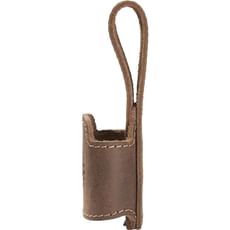
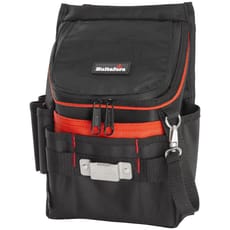
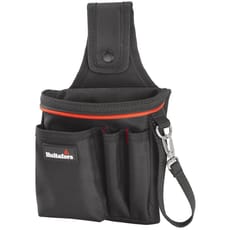
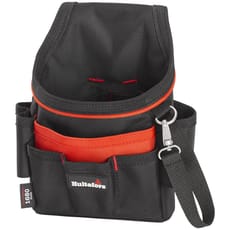
Loading...
End of content
Error - No more pages to load
About Tool Holders & Pouches
Tool holders and pouches are essential organisers that keep frequently used hand tools, fixings, and accessories close at hand whilst working. From single-pocket nail bags to comprehensive multi-pouch belt systems, these products enable tradespeople and DIY enthusiasts to work more efficiently by eliminating constant trips back to the toolbox. Available in materials ranging from heavy-duty leather to lightweight nylon, tool holders and pouches are designed to withstand the rigours of daily site work whilst distributing weight comfortably across the body.
The selection at Tooled-Up.com includes specialist options for various trades, such as electricians' pouches with insulated compartments, carpenters' nail bags with reinforced hammer loops, and general-purpose tool belts with multiple pockets for screws, drill bits, measuring tools, and hand tools. Premium leather pouches from brands like Draper and Facom offer exceptional durability and develop a comfortable fit over time, whilst modern nylon alternatives from Bahco and Bosch Professional provide weather resistance and easy cleaning. Many systems feature modular designs that allow users to add or remove pouches based on specific job requirements.
Beyond traditional belt-mounted options, this category encompasses shoulder bags, holsters for specific tools, phone holders for on-site communication, and magnetic wristbands for holding screws and small fixings. Specialist items such as saw sheaths and hammer holders protect both the tool and the user, whilst tape measure clips ensure essential measuring equipment is always accessible. With products suitable for everyone from professional joiners to weekend DIYers, tool holders and pouches represent a practical investment that improves workflow and reduces strain during extended work sessions.
Jargon Buster
- Oil-Tanned Leather: Premium leather treated with oils during the tanning process, creating a supple, water-resistant material that becomes more comfortable and durable with age. Commonly used in professional-grade tool pouches.
- Riveting: Metal fasteners used to reinforce stress points in tool pouches and belts, providing greater strength than stitching alone. Double or triple riveting indicates heavy-duty construction suitable for demanding work environments.
- Lanyard Ring: A secure attachment point, typically metal D-rings or loops, designed for connecting tool lanyards that prevent dropped tools when working at height, meeting HSE requirements for working safely above ground level.
- Modular System: Tool belt configurations that allow individual pouches and holders to be added, removed, or repositioned along the belt. Popular systems include Bosch ProClick and Milwaukee's mounting platforms.
- Tape Clip: A dedicated metal or reinforced plastic clip designed to hold a tape measure securely whilst allowing quick release and reattachment during use.
- Ballistic Nylon: An extremely durable synthetic fabric originally developed for military applications, offering excellent abrasion resistance and tear strength whilst remaining lightweight compared to leather alternatives.
Who Uses Tool Holders & Pouches?
- Carpenters and Joiners: Require multi-pocket pouches for nails, screws, pencils, squares, and chisels, plus dedicated hammer holders for constant access during framing and finishing work.
- Electricians: Use specialised pouches with compartments for cable strippers, pliers, screwdrivers, and voltage testers, often featuring insulated sections for safety around live circuits.
- Plumbers: Benefit from water-resistant pouches that accommodate wrenches, cutters, joint compound, and measuring tools whilst working in damp conditions.
- Roofers: Rely on nail pouches and lightweight belt systems that won't impede movement when working at height on pitched surfaces.
- General Builders: Use versatile multi-pouch systems that accommodate a wide variety of hand tools, fixings, and accessories across different trades.
- Maintenance Engineers: Carry essential tools and small components in organised pouches during site rounds and repair work.
- Landscapers and Arborists: Utilise specialist sheaths for pruning saws and secateurs, along with pouches for twine, ties, and hand tools.
- DIY Enthusiasts: Find tool pouches invaluable for home improvement projects, reducing time spent fetching tools and increasing productivity.
How to Choose the Right Tool Holders & Pouches
Material Selection: Leather pouches offer traditional durability and develop a comfortable patina with use, making them ideal for professional carpenters and joiners. Oil-tanned leather from brands like Draper provides water resistance whilst maintaining suppleness. Nylon and ballistic fabric alternatives are lighter, easier to clean, and better suited to wet environments, making them popular with plumbers and outdoor workers. Consider how the material will perform in your typical working conditions.
Capacity and Pocket Configuration: Assess which tools you use most frequently and ensure your chosen pouch system accommodates them comfortably. Single or double pocket nail bags suit rough carpentry, whilst electricians benefit from multiple smaller compartments that prevent tangled cables and organise different screwdriver sizes. Available at Tooled-Up, systems from Bahco and Facom often feature between 6 and 16 pockets, catering to varying organisational needs.
Belt and Attachment System: Quality belts with robust buckles prevent slippage during movement and distribute weight evenly across the hips. Look for belts with padding if you'll be wearing them for extended periods. Modular systems like Bosch ProClick allow customisation as your tool requirements change, whilst traditional fixed-pouch belts offer simplicity and lower initial cost. Ensure the belt fits your waist size comfortably – many adjust from approximately 30 to 48 inches.
Reinforcement and Construction: Examine stress points where handles attach to pouches and where pockets meet the main body. Multiple rows of stitching combined with metal rivets indicate professional-grade construction that will withstand daily use. Bar-tacking at critical points and reinforced bottoms prevent premature wear when pouches are placed on rough surfaces.
Specialist Features: Consider additional elements such as hammer loops (left or right-handed), tape measure clips, mobile phone holders with transparent windows, and lanyard attachment points for working at height. Some systems include quick-release buckles for removing the entire belt without disturbing individual pouch positions, useful when transitioning between tasks or taking breaks.
Popular Accessories
- Additional Pouches: Supplementary single pouches and holsters to expand modular belt systems as tool collections grow
- Replacement Belts: Heavy-duty belts with adjustable buckles when the original shows wear but pouches remain serviceable
- Tool Lanyards: Coiled or webbing lanyards that attach to lanyard rings, preventing dropped tools when working at height
- Suspenders and Braces: Distribute weight across shoulders for extended wearing comfort with fully loaded multi-pouch systems
- Knee Pads: Complementary protective equipment from brands like Snickers and DeWalt for flooring and tiling work
- Tool Bags and Totes: Larger carrying solutions for transporting entire tool collections between job sites
- Bit and Blade Storage: Dedicated cases and organisers for drill bits, driver bits, and saw blades that complement pouch systems
- Magnetic Wristbands: Hold screws and small fixings during installation work, reducing fumbling in pockets
Safety Information
Load Distribution: Avoid overloading pouches beyond their intended capacity, as this can cause back strain and belt failure. Distribute heavy items evenly across both hips rather than concentrating weight on one side, and regularly remove tools that aren't needed for the current task to minimise unnecessary load.
Working at Height: When using tool pouches above ground level, always attach tool lanyards to the designated lanyard rings to comply with HSE guidelines. Ensure pouches are securely fastened to prevent them becoming dislodged during climbing or when bending. Never use damaged pouches or belts when working at height, as failed equipment can create falling object hazards for those below.
Sharp Tools and Pointed Objects: Store chisels, knives, and pointed tools in dedicated holders or sheaths within pouches to prevent injuries when reaching for other items. Ensure nail and screw points face downward rather than upward to avoid puncture injuries. Inspect pouches regularly for worn areas where sharp objects might penetrate the material.
Frequently Asked Questions
Should I choose leather or nylon tool pouches?
Leather pouches from brands like Facom and Draper offer superior durability and become more comfortable with use, making them ideal for carpenters and professional tradespeople who wear them daily. They develop a protective patina and maintain their shape well. Nylon pouches are lighter, dry quickly when wet, and are easier to clean, making them better suited to plumbers, landscapers, or anyone working in damp conditions. Consider your typical working environment and whether weight or weather resistance is more important for your applications.
What size tool belt do I need?
Most adjustable tool belts accommodate waist sizes from approximately 30 to 48 inches. Measure your waist at the point where you'll wear the belt – typically just above the hips – allowing for any additional clothing layers worn during different seasons. If you're between sizes, choose the larger option to ensure comfort when bending and kneeling. Some professional systems from Bahco and Bosch offer extra-long belts for larger fitters or when wearing over thick winter workwear.
Can I add more pouches to my existing tool belt?
This depends on whether you have a modular system or traditional fixed-pouch belt. Modular systems like Bosch ProClick feature standardised attachment points that accept additional compatible pouches and holders. Traditional belts with sewn-on pouches cannot easily be modified, though you can add separate loop-on accessories like hammer holders or tape clips that slide onto the belt. When purchasing initially, consider a modular system if you anticipate your tool requirements expanding over time.
How do I maintain leather tool pouches?
Clean leather pouches regularly with a damp cloth to remove dust and debris that can accelerate wear. Apply leather conditioner or dubbin every few months to maintain suppleness and water resistance, paying particular attention to stress points and stitching. Allow wet pouches to dry naturally away from direct heat sources, which can cause cracking. Store pouches in a cool, dry location when not in use, and inspect stitching and rivets periodically, addressing any loose fixings before they fail completely.
Are tool pouches suitable for working at height?
Yes, but you must use them correctly according to HSE guidelines. Choose pouches with designated lanyard rings and attach coiled tool lanyards to prevent dropped tools. Ensure belts are securely fastened and won't slip during movement. Some professionals prefer lighter, smaller pouches when working at height to reduce bulk and weight, keeping only essential tools on their person whilst the main tool collection remains safely at ground level. Never use damaged or worn pouches above ground level, as equipment failure could create serious hazards.