

Tool Rucksacks
Pay in 3 interest-free payments on purchases from £30-2000 with  . Learn more.
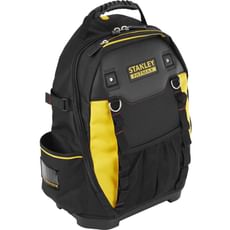
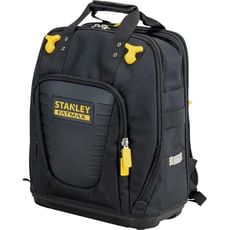
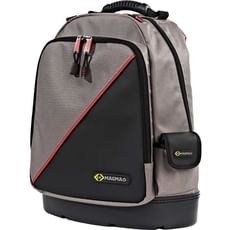
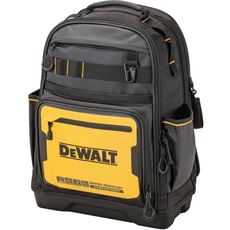
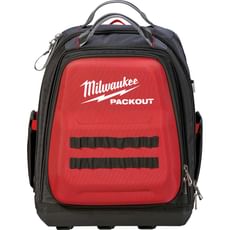
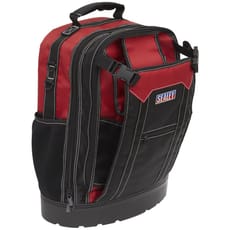
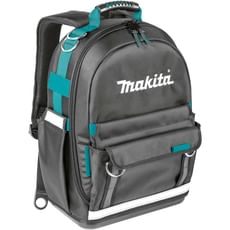
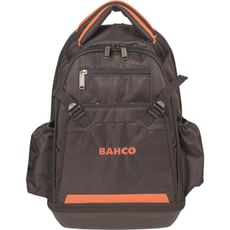
 Loading...
End of content
Error - No more pages to load
About Tool Rucksacks
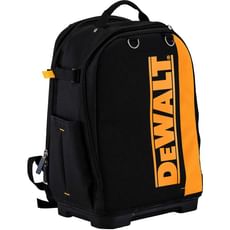
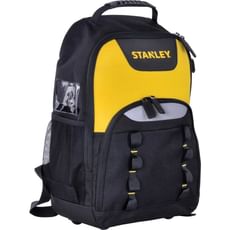
Tool rucksacks represent a modern evolution in professional tool storage, combining the hands-free convenience of a backpack with purpose-built organisation systems designed specifically for tradespeople and serious DIY enthusiasts. Unlike traditional tool bags, these specialised carriers distribute weight evenly across both shoulders, reducing fatigue during transport to and from job sites whilst keeping tools secure, organised and readily accessible.
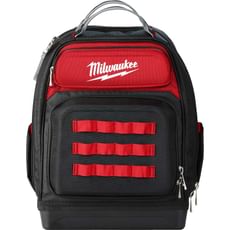
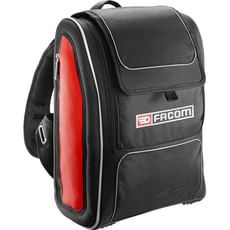
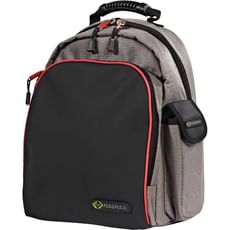
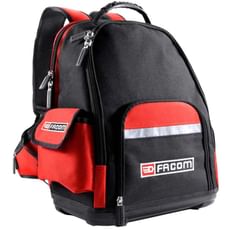
The range available from Tooled-Up.com includes everything from compact technician rucksacks ideal for electricians and plumbers, through to heavy-duty backpacks with reinforced bases and weather-resistant materials suited to demanding construction environments. Leading manufacturers such as DeWalt, Milwaukee, Stanley, Facom and CK Tools have developed comprehensive systems featuring padded laptop compartments, multiple internal pockets, external tool holders, and innovative modular designs that allow tradespeople to customise their storage configuration based on specific job requirements.
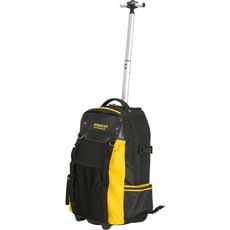
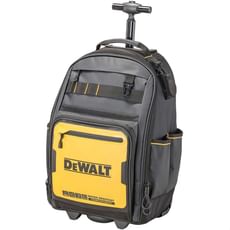
Modern tool rucksacks incorporate professional-grade materials including ballistic nylon, reinforced polyester (typically 600D to 1680D denier), waterproof bases, and heavy-duty zippers designed to withstand daily site use. Many premium models feature wheeled options for larger loads, telescopic handles, and compatibility with manufacturer-specific storage systems such as DeWalt TSTAK or Milwaukee PACKOUT, creating integrated tool transport solutions that work seamlessly across vans, workshops and job sites.
Jargon Buster
- Denier (D) - A measurement unit indicating fabric weight and durability. Higher denier ratings (e.g., 1680D) mean thicker, more abrasion-resistant material suitable for heavy-duty professional use, whilst lower ratings (600D) offer adequate protection for lighter applications.
- Moulded Base - A rigid, often waterproof plastic bottom section that protects tools from moisture and impact when the rucksack is placed on wet or uneven surfaces. This feature also helps maintain the bag's shape and provides stability.
- Modular System - Interchangeable storage components that can be attached, removed or rearranged within the rucksack to create customised organisation layouts suited to specific trades or individual preferences.
- Padded Harness - Ergonomically designed shoulder straps with cushioning and sometimes lumbar support that distribute weight evenly, reducing strain during extended carrying periods on site.
- Internal Organiser Panels - Dedicated compartments with elastic loops, mesh pockets and tool holders that keep equipment separated and prevent damage from tools knocking together during transport.
- Trolley Compatibility - Design features such as luggage sleeve pass-throughs or integrated wheel systems that allow the rucksack to be used with trolley handles or wheeled bases for easier movement of heavier loads.
Who Uses Tool Rucksacks?
Tool rucksacks serve a diverse range of professionals and enthusiasts who require portable, organised tool storage:
- Electricians and Sparkies - Particularly those working across multiple properties or commercial installations who need quick access to testing equipment, hand tools and cable accessories
- Plumbers and Heating Engineers - For transporting pipe cutters, wrenches, sealants and diagnostic tools between residential and commercial jobs
- IT Technicians and AV Installers - Requiring secure laptop storage alongside specialised tools, testing equipment and cable management accessories
- Maintenance Engineers - Who move between different locations within facilities carrying diagnostic equipment and repair tools
- Carpenters and Joiners - Especially those working on site installations who need hand tools, fixings and measuring equipment readily accessible
- HVAC Technicians - Carrying refrigeration tools, gauges, leak detectors and hand tools for service calls
- Multi-Trade Contractors - Who require versatile storage solutions that accommodate varied tool sets across different job types
- Mobile Repair Technicians - Including appliance engineers, locksmiths and bicycle mechanics who travel to customer locations
- Serious DIY Enthusiasts - Undertaking home renovation projects who value organised, portable tool storage
How to Choose the Right Tool Rucksacks
Selecting the appropriate tool rucksack depends on several practical considerations that should match your working patterns and tool requirements:
Capacity and Size: Assess the volume and type of tools you regularly transport. Compact rucksacks (15-20 litres) suit electricians and technicians carrying predominantly hand tools and testing equipment, whilst larger models (30-40+ litres) accommodate bulkier items and more extensive tool sets. Consider whether you need laptop storage if you carry tablets or diagnostic equipment requiring screen access.
Build Quality and Materials: Professional tradespeople working daily in demanding conditions should prioritise rucksacks constructed from 1680D polyester or ballistic nylon with reinforced stitching at stress points. Weekend DIYers may find 600D materials provide adequate durability at lower price points. Check for waterproof or water-resistant bases that protect tools from damp surfaces.
Organisation Systems: Evaluate the internal layout against your specific tools. Electricians benefit from multiple small pockets and elastic loops for screwdrivers and testing equipment, whilst plumbers may need fewer, larger compartments for bulkier items. Tooled-Up stocks various modular systems from brands like Knipex and CK Tools that allow customisation of internal layouts.
Comfort and Ergonomics: If you regularly walk distances or use public transport, padded shoulder straps, back panels with ventilation channels, and chest/waist straps become essential features. Heavier tool loads benefit from rucksacks offering wheeled alternatives or trolley compatibility to reduce physical strain.
Access and Security: Consider whether you need top-loading, panel-loading or combination access. Wide-opening designs allow easier tool visibility and retrieval. For site work where rucksacks may be left visible in vehicles, lockable zippers provide additional security against opportunistic theft.
Brand Ecosystem Compatibility: If you already use manufacturer-specific storage systems, choosing matching rucksacks ensures compatibility. DeWalt, Milwaukee, Makita and Stanley all offer tool rucksacks designed to integrate with their respective modular storage ranges.
Popular Accessories
Enhance your tool rucksack system with these complementary products available at Tooled-Up:
- Modular Tool Pouches - Small zippered organisers that fit inside rucksacks for segregating fixings, consumables or delicate equipment
- Padded Laptop Sleeves - Additional protection for tablets and diagnostic equipment beyond standard internal compartments
- Trolley Handles and Wheel Bases - Wheeled platforms that convert standard rucksacks into rolling transport solutions
- Rain Covers - Waterproof outer shells that protect rucksacks and contents during inclement weather
- Carabiner Clips and Attachment Points - For securing additional items to external loops or D-rings
- Tool Lanyards and Tethers - Prevent dropping tools when working at height, attachable to rucksack anchor points
- LED Work Lights - Compact torches that clip onto straps or fit in external pockets for improved visibility
- Identification Tags - Durable labels for personalising rucksacks and preventing mix-ups on busy sites
Frequently Asked Questions
What's the difference between a tool rucksack and a regular backpack?
Tool rucksacks feature specialised internal organisation systems with padded compartments, tool loops, and reinforced construction designed specifically for carrying heavy, potentially sharp professional equipment. They typically incorporate rigid or waterproof bases, heavy-duty zippers rated for frequent use, and materials that resist abrasion and punctures. Regular backpacks lack these protective features and organisational layouts optimised for tools.
Can tool rucksacks be taken on public transport or used for air travel?
Most tool rucksacks work perfectly well on buses, trains and the Underground, making them ideal for tradespeople working in urban environments. However, sharp tools, blades, and certain items prohibited by airline security regulations cannot be carried in cabin baggage. If flying to jobs, tools must be packed in checked luggage, and you should verify that your rucksack's dimensions comply with airline size restrictions.
How do I maintain and clean my tool rucksack?
Regular maintenance extends rucksack lifespan considerably. Empty contents weekly and shake out dust, debris and swarf. Wipe down exterior and interior surfaces with damp cloths, using mild detergent for stubborn marks. Avoid machine washing unless explicitly stated by the manufacturer, as this can damage padding and waterproof coatings. Allow rucksacks to dry thoroughly before restocking tools to prevent rust and mould. Periodically inspect stitching, zippers and straps for wear, addressing minor repairs promptly before they worsen.
Are wheeled tool rucksacks worth the extra cost?
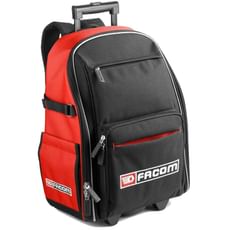
Wheeled models or trolley-compatible rucksacks provide significant benefits if you regularly transport heavy tool loads over distances, work across large sites, or have concerns about back strain. The additional investment proves worthwhile for tradespeople carrying 10kg+ regularly. However, for lighter loads or situations involving stairs, narrow spaces or rough terrain where wheels become impractical, standard rucksacks offer better value and manoeuvrability.
Will my power tool batteries fit in a tool rucksack?
Most modern tool rucksacks accommodate cordless tool batteries, with many featuring dedicated padded compartments sized for common battery formats from DeWalt, Milwaukee, Makita and Bosch. However, if you carry multiple high-capacity batteries (5.0Ah or above) or older NiCd battery types, verify internal dimensions before purchasing. Some electricians and technicians prefer keeping batteries in separate charging cases to maintain organisation and prevent accidental discharge from contact with metal objects.