

Tool Vests
Pay in 3 interest-free payments on purchases from £30-2000 with  . Learn more.
 Loading...
End of content
Error - No more pages to load
About Tool Vests
Tool vests offer tradespeople and DIY enthusiasts a practical alternative to traditional tool belts, distributing the weight of tools and equipment across the shoulders and torso rather than concentrating it around the waist. Designed to be worn comfortably over work clothing or jackets throughout the day, these versatile garments feature multiple pockets, storage loops, and compartments that keep essential hand tools, fixings, and accessories within easy reach. The hands-free storage solution they provide makes them particularly valuable for professionals working at height, on ladders, or in confined spaces where conventional tool bags might be impractical.
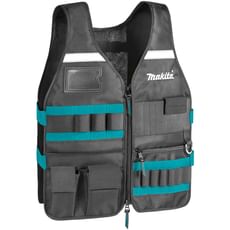
Modern tool vests combine functionality with comfort, incorporating adjustable straps and ergonomic designs that accommodate different body sizes and clothing layers. Many models include specialist features such as reinforced stitching at high-stress points, quick-release buckles for easy removal, and reflective stripes that enhance visibility on busy construction sites or roadside work. Tooled-Up.com stocks tool vests from leading workwear manufacturers like Makita, designed to withstand the rigours of daily professional use whilst keeping tools organised and accessible.
The strategic pocket placement on quality tool vests allows tradespeople to develop efficient working patterns, with frequently used items positioned for immediate access. Transparent ID card holders, dedicated mobile phone pockets, and Velcro-secured compartments for smaller components ensure that everything has its place, reducing time wasted searching through bags or returning to the van for forgotten items.
Jargon Buster
- Load Distribution: The way a tool vest spreads the weight of carried tools across the shoulders and back, rather than concentrating stress on the lower back and hips as traditional tool belts do. Proper load distribution reduces fatigue during extended wear.
- Hi-Vis Elements: Reflective strips or fluorescent materials incorporated into the vest design to ensure the wearer remains visible in low-light conditions or on busy sites, often meeting EN ISO 20471 standards for high-visibility workwear.
- Adjustable Sizing: Side straps, buckles, or elastic panels that allow the vest to be tightened or loosened to fit over varying clothing thicknesses, from t-shirts in summer to heavy jackets in winter conditions.
- Tool Loops: Reinforced fabric or leather loops sewn into the vest exterior, designed to hold specific tools such as screwdrivers, pliers, or hammer handles, keeping them secure yet quickly accessible.
- Nail Bags: Deep, reinforced pockets specifically designed to hold loose fixings, screws, or nails without tearing, often featuring internal dividers to separate different sizes or types of fasteners.
- Ventilated Panels: Mesh or breathable fabric sections incorporated into the vest design to improve air circulation and reduce heat build-up during physical work, particularly important in warmer conditions.
Who Uses Tool Vests?
Tool vests prove invaluable across numerous trades and working environments:
- Electricians and sparkies who need quick access to cable cutters, screwdrivers, and testing equipment whilst working in tight spaces or on ladders
- Carpenters and chippies requiring hands-free storage for pencils, measuring tapes, chisels, and various fixings during framing or joinery work
- Plumbers working beneath sinks or in confined areas where traditional tool bags cannot easily follow
- HVAC technicians who benefit from organised storage whilst installing or maintaining heating and ventilation systems
- Maintenance professionals moving between multiple jobs throughout commercial or residential properties
- Roofers working at height where carrying tools safely without constant trips up and down ladders improves efficiency
- Shopfitters and installers requiring portable tool storage whilst working across different retail or commercial environments
- Serious DIY enthusiasts undertaking substantial home renovation projects who appreciate professional-grade organisation
- General builders moving between different tasks throughout the day, from first fix to finishing work
How to Choose the Right Tool Vests
Selecting an appropriate tool vest depends on several practical considerations tailored to your specific working requirements:
Pocket Configuration: Assess the number, size, and arrangement of pockets based on the tools you regularly use. Electricians might prioritise multiple smaller pockets for components and testers, whilst carpenters may need deeper pockets for larger hand tools and timber pencils. Consider whether you need specialist compartments such as mobile phone holders, ID card windows, or zippered security pockets for valuable items.
Adjustability and Fit: Look for vests with multiple adjustment points including side straps and shoulder buckles that accommodate different clothing layers throughout the seasons. The vest should sit comfortably without restricting movement or creating pressure points during extended wear. Those available from Tooled-Up feature adjustable sizing to suit various body types and working conditions.
Material and Durability: Professional-grade tool vests utilise hardwearing fabrics such as heavy-duty polyester or cotton canvas with reinforced stitching at stress points. Check that pocket edges are double-stitched and that metal fixings like buckles or rivets are rust-resistant. The material should withstand daily contact with sharp tools, rough surfaces, and site conditions without tearing or fraying.
Weight Distribution: Quality vests incorporate padded shoulder straps or ergonomic designs that spread tool weight evenly, preventing the neck and shoulder strain associated with poorly designed alternatives. Test the vest whilst loaded with your typical tool complement to ensure comfort during actual working conditions.
Visibility Features: For site work, roadside maintenance, or any environment with moving vehicles or machinery, reflective strips meeting relevant safety standards are essential. Many vests incorporate hi-vis elements without compromising on professional appearance or storage capacity.
Easy Access Design: Consider how quickly you can reach frequently used tools without removing the vest or contorting awkwardly. Strategic pocket placement at chest and waist height ensures efficient workflow, whilst quick-release buckles allow rapid removal when necessary.
Popular Accessories
Enhance the functionality of your tool vest with these complementary products:
- Tool Belts and Pouches: Additional storage options that can be worn alongside vests for particularly tool-intensive tasks
- Knee Pads: Essential protection for flooring work, plumbing, or any trade involving frequent kneeling
- Work Trousers with Holster Pockets: From brands like Snickers and Scruffs, providing lower-body tool storage to complement vest capacity
- Hard Hats and Safety Helmets: Required PPE for construction sites where tool vests are commonly worn
- Work Gloves: Protect hands whilst accessing tools stored in vest pockets throughout the working day
- Hi-Vis Jackets and Waistcoats: Additional visibility options for sites where tool vests alone don't meet safety requirements
- Tape Measures and Marking Tools: Compact accessories that fit perfectly in vest pockets for constant accessibility
- Bit Sets and Driver Kits: Organised in cases that slip into larger vest pockets
- Tool Lanyards: Prevent dropped tools when working at height, attaching to vest loops for added security
Safety Information
Whilst tool vests significantly improve tool organisation and accessibility, several safety considerations warrant attention:
Load Limitations: Avoid overloading your vest beyond comfortable carrying capacity. Excessive weight causes fatigue, reduces mobility, and may lead to musculoskeletal problems over time. Distribute heavier tools between the vest, belt pouches, and nearby tool bags, carrying only what's immediately necessary for current tasks.
Working at Height: When using ladders or working on scaffolding, ensure all tools are properly secured in closed pockets or attached with lanyards. Loose items can fall and cause serious injury to those below. The HSE recommends that tools used at height should be either attached to the user or stored in secure containers.
Visibility Compliance: On construction sites or roadside locations, your tool vest should not obscure legally required hi-vis clothing. If the vest itself doesn't meet EN ISO 20471 standards for high-visibility garments, wear it over or under compliant hi-vis outerwear as site regulations dictate.
Entanglement Hazards: Be mindful of protruding tools or straps that could catch on machinery, vehicle doors, or site obstacles. Quick-release buckles allow rapid vest removal if snagging occurs, potentially preventing injury.
Regular Inspection: Check stitching, buckles, and fabric integrity regularly, particularly at pocket stress points. Damaged vests may fail unexpectedly, dropping valuable or dangerous tools. Replace worn vests before structural failure occurs.
Frequently Asked Questions
Are tool vests better than traditional tool belts?
Tool vests and belts each offer distinct advantages depending on working requirements. Vests distribute weight across the shoulders and torso, reducing lower back strain during extended wear, and work particularly well when climbing ladders or working in confined spaces. Tool belts, however, provide quicker access for some users and don't add upper-body bulk. Many tradespeople use both systems: vests for all-day wear and lighter tasks, with belts reserved for intensive work requiring maximum tool capacity at waist level. The Makita vest available at Tooled-Up represents a versatile middle-ground solution suitable for various trades.
Can I wear a tool vest over a winter jacket?
Quality tool vests feature adjustable straps specifically designed to accommodate varying clothing thicknesses throughout the year. You should be able to loosen side adjusters and shoulder straps to fit comfortably over heavyweight jackets, fleeces, or waterproof outerwear. When purchasing, consider the maximum adjustment range if you regularly work in cold conditions requiring substantial layering. Some professionals prefer slightly larger vests for winter use, switching to tighter adjustments when worn over summer work shirts.
How do I clean and maintain my tool vest?
Most tool vests benefit from regular cleaning to remove dust, debris, and site grime that can degrade fabric over time. Empty all pockets thoroughly, checking for sharp objects or loose fixings. Hand washing in warm water with mild detergent preserves fabric and stitching better than machine washing, though some manufacturers specify their vests as machine-washable—always check care labels first. Allow the vest to air dry naturally rather than using tumble dryers, which may damage synthetic materials or shrink cotton components. Periodically inspect and tighten any loose stitching, and treat the fabric with water-repellent spray if working in wet conditions.
What's the typical weight capacity of a tool vest?
Tool vest capacity varies by design and construction quality, but most professional models comfortably carry between 3-7kg of tools and accessories without causing undue strain. However, comfort depends significantly on individual fitness, the duration of wear, and how weight is distributed across pockets. Rather than maximising capacity, focus on carrying only tools immediately necessary for current tasks, with additional equipment stored in nearby bags or your vehicle. Overloading any tool vest leads to fatigue, reduced mobility, and potential long-term back or shoulder problems.
Do tool vests meet PPE or high-visibility standards?
Some tool vests incorporate reflective strips and hi-vis elements meeting EN ISO 20471 standards for high-visibility workwear, making them suitable as PPE on construction sites or roadside environments. However, many standard tool vests prioritise storage functionality over visibility certification. If working in environments where hi-vis PPE is mandatory, verify that your chosen vest meets required standards, or wear it over/under compliant hi-vis clothing. The specific features of each vest, including any safety certifications, should be confirmed before purchase based on your working environment's safety requirements.