

Tow Poles & Ropes
Pay in 3 interest-free payments on purchases from £30-2000 with  . Learn more.
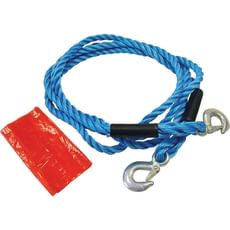
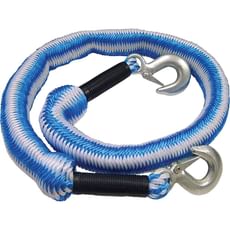

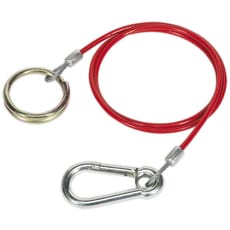
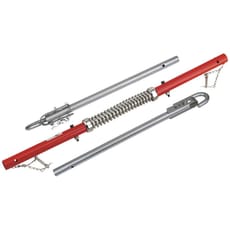
 Loading...
End of content
Error - No more pages to load
About Tow Poles & Ropes
Tow poles and ropes are essential safety equipment for recovering disabled vehicles, moving non-running machinery, and dealing with roadside emergencies. Whether you're a breakdown recovery professional attending call-outs, a farm worker shifting stuck machinery, or a motorist preparing for the unexpected, having the right towing equipment can make the difference between a safe, controlled recovery and a potentially hazardous situation. The selection at Tooled-Up.com includes heavy-duty tow ropes with impressive load capacities, elasticated shock-absorbing designs, rigid tow poles for better control, and essential breakaway cables for trailer safety.
Modern tow ropes feature advanced synthetic materials engineered to withstand significant loads whilst incorporating elasticated sections that absorb shock forces during recovery operations. This shock absorption prevents sudden jolts that could damage mounting points, transmission components, or cause catastrophic equipment failure. Rigid tow poles, in contrast, maintain a fixed distance between vehicles, providing superior control and improved visibility for following traffic—particularly important for on-road towing situations. Professional-grade equipment from manufacturers like Sealey and Faithfull meets or exceeds British and European safety standards, with clearly marked breaking strains and working load limits to ensure appropriate equipment selection.
From compact elasticated tow ropes for emergency boot storage to professional shock-absorbing spring tow poles for commercial recovery operations, this category covers comprehensive vehicle recovery requirements. Products include carabiner-style hooks for quick secure attachment, forged steel connectors for maximum strength, and protective storage bags for organised vehicle storage. Understanding the differences between breaking strain and rolling load capacity, rope versus pole applications, and UK legal requirements for road towing ensures you select equipment that's both effective and compliant for your specific needs.
Jargon Buster
- Breaking Strain – The maximum load or force a tow rope can withstand before failing, typically measured in kilograms or tonnes. Always select equipment with a breaking strain significantly exceeding your vehicle's gross weight to maintain adequate safety margins.
- Rolling Load Capacity / Working Load Limit (WLL) – The maximum weight equipment is rated to pull safely when the towed vehicle's wheels are rolling freely. This represents the safe working load with built-in safety factors and should never be exceeded during normal operations.
- Shock Absorbing / Elasticated – Tow ropes with built-in stretch properties that cushion the initial pull and prevent sudden jerking motions. These reduce stress on mounting points and transmission components whilst providing smoother, more controlled recovery operations.
- Breakaway Cable – A safety device that automatically applies a trailer's brakes if it becomes detached from the towing vehicle during transit. Required by UK law for most trailer applications and essential for preventing runaway trailers.
- Tow Pole (Rigid Tow Bar) – A solid bar connecting two vehicles at a fixed distance, providing superior control compared to flexible ropes and improved visibility for other road users. Essential for A-frame towing and situations requiring precise vehicle positioning.
- Carabiner Hook – A forged steel hook with a spring-loaded gate for quick, secure attachment to towing eyes and recovery points. Heavy-duty carabiner-style hooks provide reliable connections that won't accidentally detach during recovery operations.
Who Uses Tow Poles & Ropes?
- Breakdown Recovery Operators – Professional vehicle recovery specialists attending roadside emergencies and accident recoveries
- Motor Mechanics and Garage Owners – For moving non-running vehicles around workshops, forecourts, and service bays
- Agricultural Workers and Farmers – Recovering stuck machinery, tractors, and equipment from fields and rural locations
- Plant Operators and Construction Workers – Moving disabled plant machinery, excavators, and vehicles on building sites
- Fleet Managers and Haulage Companies – Essential equipment for commercial vehicle operators and transport depots
- Motorsport Enthusiasts – Track day participants, racing teams, and rally drivers for paddock and emergency recovery
- 4x4 and Off-Road Enthusiasts – Green laners and off-road drivers for vehicle recovery in challenging terrain
- Caravan and Trailer Owners – For breakaway cables and emergency towing situations with touring caravans
- DIY Motorists – Home mechanics and car enthusiasts wanting to be prepared for roadside emergencies
- Site Managers and Facilities Staff – Moving vehicles and equipment around industrial estates and commercial premises
How to Choose the Right Tow Poles & Ropes
Vehicle Weight Consideration: The most critical factor is ensuring your towing equipment's rated capacity significantly exceeds your vehicle's gross weight. As a general rule, select equipment with a breaking strain at least 1.5 times your vehicle's maximum laden weight. Check your vehicle's handbook or VIN plate for accurate kerb weight and gross vehicle weight (GVW) figures. For example, a vehicle weighing 2,000kg requires equipment with a minimum 3-tonne breaking strain.
Rope vs. Pole Selection: Tow ropes offer flexibility, compact storage, and easy boot storage, making them ideal for emergency kits and occasional use. They're perfect for pulling vehicles short distances, extracting stuck vehicles from ditches, or emergency recoveries. Tow poles provide rigid connection, superior control, and improved visibility for following traffic, making them preferable for on-road towing over longer distances and situations requiring precise vehicle positioning. Professional recovery operators typically carry both types for different scenarios.
Elasticated or Standard Construction: Elasticated tow ropes with shock-absorbing properties dramatically reduce stress on mounting points and provide smoother starts, particularly important when recovering stuck vehicles or towing on uneven surfaces. The stretch absorbs the initial jolt when taking up slack, protecting both vehicles' transmission and mounting points. Standard non-elasticated ropes are suitable for gentle vehicle movement on flat surfaces where shock loading isn't a concern.
Length Requirements: Longer tow ropes (typically 4-5 metres) provide better flexibility for various recovery scenarios and help maintain safe distances between vehicles. However, UK Highway Code regulations specify maximum towing distances for road use—the rope or pole must not exceed 4.5 metres, and if the distance between vehicles exceeds 1.5 metres, the rope must display high-visibility markings. Consider your typical usage scenarios when selecting appropriate lengths.
Mounting Points and Connectors: Verify both vehicles have suitable rated recovery points or towing eyes before purchasing. Many modern vehicles have concealed towing eyes that screw into threaded mounting points behind bumper covers. Browse equipment at Tooled-Up.com with appropriate hooks, carabiner connectors, or shackles that fit your vehicle's mounting points securely. Forged steel connectors provide maximum strength and reliability.
Compliance and Certification: Look for products meeting relevant British and European safety standards (BS and EN specifications). Professional users should prioritise equipment with clear working load limits and certification documentation, particularly important for insurance compliance and HSE requirements in commercial operations.
Popular Accessories
- Towing Eyes and Recovery Points – Screw-in towing eyes and bolt-on recovery points for vehicles without dedicated mounting locations
- Bow Shackles and D-Shackles – Heavy-duty forged steel connectors for attaching tow ropes to various mounting configurations
- Recovery Straps and Snatch Straps – Alternative recovery equipment for off-road and stuck vehicle extraction situations
- Warning Flags and Signs – Required when towing to alert other road users, particularly important for longer tow poles and rope connections
- Breakaway Cables – Essential safety equipment for trailer and caravan towing applications, required by UK law
- Work Gloves – Protective gloves for handling towing equipment safely and preventing rope burns during operations
- Hi-Visibility Clothing – Safety workwear for roadside recovery operations ensuring visibility to passing traffic
- Vehicle Storage Bags – Protective storage solutions to keep towing equipment clean, organised, and ready for emergencies
- Warning Triangles – Legally required roadside warning devices for breakdown situations
- Vehicle Jacks and Axle Stands – Additional recovery equipment for lifting and supporting vehicles during recovery operations
Safety Information
Legal Requirements for Road Use: When towing on UK public roads, both vehicles must display appropriate warning signs, and the towed vehicle's steering and brakes must be operational. The driver of the towed vehicle must be competent—in most circumstances over 21 years old for insurance purposes. Towing with ropes or poles is prohibited on motorways. The connection must not exceed 4.5 metres, and connections over 1.5 metres require high-visibility markings. Always check current Highway Code regulations before undertaking road towing.
Load Rating Compliance: Never exceed the working load limit of your towing equipment under any circumstances. Overloading can result in catastrophic failure, potentially causing serious injury, vehicle damage, or fatalities. Always inspect equipment thoroughly before each use for signs of wear, fraying, cuts, UV degradation, or previous damage. Replace any equipment showing deterioration—the relatively low cost of replacement is insignificant compared to potential consequences of equipment failure.
Mounting Point Safety: Only attach tow ropes and poles to designated towing points or manufacturer-rated recovery points. Never attach to bumpers, suspension components, tie-down loops, axles, or other non-structural parts, as these can fail catastrophically under load. Ensure all connections are secure, gates on carabiner hooks are closed, and there's no risk of accidental detachment before attempting recovery. Double-check connections before applying load.
Clear Area Maintenance: Keep all bystanders well clear of towing operations at all times. If a rope or pole fails under load, the sudden release of stored energy can cause equipment to recoil with tremendous force, potentially causing severe injuries or fatalities. Never stand between vehicles, alongside the tow rope, or in line with the connection points during recovery attempts. Establish a safety zone before commencing operations.
Personal Protective Equipment: Wear appropriate PPE including heavy-duty work gloves to protect hands from rope burns and abrasion injuries during handling. Steel toe-capped safety footwear is essential in case equipment is dropped. Hi-visibility clothing is mandatory for roadside recovery work to ensure you're clearly visible to passing traffic, particularly important in low-light conditions or adverse weather.
Regular Inspection and Maintenance: Examine tow ropes regularly for fraying, cuts, abrasion, UV damage, contamination with oils or chemicals, or deterioration of synthetic fibres. Check tow poles for cracks, bends, deformation, or damaged connection points. Inspect hooks, carabiners, and shackles for wear, deformation, or cracks. Replace any equipment showing signs of damage immediately—equipment integrity is critical for safe operations and user safety.
Frequently Asked Questions
What's the difference between breaking strain and rolling load capacity?
Breaking strain is the absolute maximum force the equipment can theoretically withstand before catastrophic failure, whilst rolling load capacity (or working load limit) is the safe maximum weight you should tow under normal operating conditions. The rolling load capacity includes appropriate safety margins and should never be exceeded. For example, a rope with a 4-tonne breaking strain might have a 2-tonne rolling load capacity for safe everyday use. Always work within the rolling load capacity, not the breaking strain, to maintain adequate safety margins.
Can I use a tow rope on motorways or dual carriageways?
No. UK Highway Code regulations strictly prohibit towing with a rope or pole on motorways under any circumstances. Additionally, towing on dual carriageways and other high-speed roads is strongly discouraged due to significant safety concerns. If your vehicle breaks down on a motorway, you must use professional breakdown recovery services—attempting DIY recovery is illegal and extremely dangerous. For other roads, check current regulations regarding speed limits when towing and required warning signage.
Do I need an elasticated tow rope or is a standard one sufficient?
Elasticated or shock-absorbing tow ropes are highly recommended for most applications as they cushion the initial pull and prevent sudden jolts that can damage mounting points, transmission components, or cause rope failure. Standard non-elasticated ropes work for very gentle pulls on flat, level surfaces but don't provide the same protection against shock loading. For general-purpose emergency use and stuck vehicle recovery, an elasticated rope offers significantly better versatility, safety, and protection for both vehicles involved.
How do I know if my vehicle has suitable towing points?
Check your vehicle handbook, which should identify rated recovery or towing points with load specifications. Many modern vehicles have threaded holes (usually behind removable covers in the front and rear bumpers) where you screw in a towing eye—these are often supplied with the vehicle's tool kit. Never attach tow ropes to bumpers, plastic tie-down loops, suspension components, or axles unless they're specifically rated for recovery operations. If uncertain, consult your vehicle manufacturer's technical department or a qualified mechanic before attempting recovery.
How should I store my tow rope or pole when not in use?
Store towing equipment in a clean, dry location away from direct sunlight, which can degrade synthetic rope fibres through UV exposure over time. Many users keep a tow rope in their vehicle's boot for emergencies—if doing so, store it in a protective bag (many products include zip-up storage bags) to keep it clean and prevent contamination from oils, fuels, or other chemicals that can weaken fibres. Coil ropes loosely without tight kinks, and hang or store tow poles horizontally to prevent bending. Inspect equipment periodically even when not in regular use, and replace if you notice any deterioration or damage.