

Towers
Pay in 3 interest-free payments on purchases from £30-2000 with  . Learn more.
 Loading...
End of content
Error - No more pages to load
About Towers
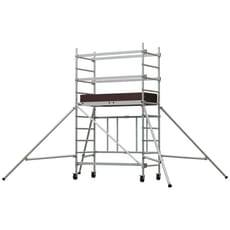
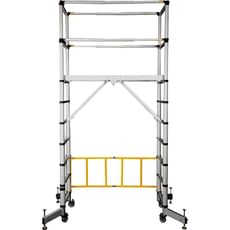
Access towers, also known as scaffold towers or mobile towers, are essential pieces of equipment for any work that requires safe, stable access to elevated areas. These aluminium frame structures provide a secure working platform at height, combining the stability of traditional scaffolding with the convenience of a portable, self-contained system. Unlike ladders or stepladders, towers offer a spacious working platform that allows tradespeople to work comfortably and safely for extended periods, with room for tools and materials at hand.
Modern tower systems are designed to meet rigorous UK safety standards, including EN 1004-1 approval and PASMA (Prefabricated Access Suppliers' and Manufacturers' Association) 3T standards. The selection at Tooled-Up.com includes both fixed-height towers and modular systems that can be extended with additional packs to achieve various working heights. Constructed from lightweight yet robust aluminium, these towers feature corrosion-resistant frames, heavy-duty platforms with trap door access, and innovative folding designs that allow for tool-free assembly and compact storage when not in use.
Whether you need a compact tower for indoor maintenance work or a taller modular system for exterior projects, scaffold towers provide versatility and safety. Many systems available from Tooled-Up offer working heights ranging from 2.6m up to 7.1m or more when used with extension packs, making them suitable for a wide range of applications from domestic DIY projects to professional construction sites.
Jargon Buster
- Working Height: The maximum height at which a person can comfortably work whilst standing on the tower platform, typically calculated as the platform height plus 2 metres for average reach.
- Platform Height: The actual height of the working platform deck from ground level, which differs from the working height.
- PASMA 3T: The UK safety standard for Towers (mobile access towers), which ensures equipment meets strict safety requirements for assembly, use and inspection. PASMA training is recommended for professional users.
- EN 1004-1: The European safety standard for mobile access towers, covering design, stability requirements and safe working loads.
- Outriggers: Stabilising feet that extend from the base of the tower to increase stability and prevent tipping, essential for taller tower configurations.
- Trap Door Platform: A platform deck with a hinged access hatch that allows safe climbing through the platform to the working level, eliminating the need for external ladder access.
Who Uses Towers?
Access towers are valuable equipment across numerous trades and applications:
- Painters and Decorators: For interior and exterior painting, wallpapering and finishing work at height
- Electricians: Installing and maintaining lighting systems, checking consumer units and running cable at ceiling height
- Builders and General Contractors: For brickwork, rendering, roofing access and general construction tasks
- Plumbers and Heating Engineers: Installing and servicing boilers, radiators and pipework in high-ceiling properties
- Shopfitters and Retail Maintenance Teams: For installing signage, lighting and displays in commercial premises
- Facilities Managers and Maintenance Personnel: Routine building maintenance, inspection work and repairs
- Window Fitters: Installing and replacing windows and doors at various heights
- DIY Enthusiasts and Homeowners: For home improvement projects requiring safe access to upper floors and ceilings
How to Choose the Right Towers
Selecting the appropriate tower system requires careful consideration of several factors:
Required Working Height: Calculate the maximum height you'll need to work at regularly. Consider whether a fixed-height tower suffices or if a modular system with extension packs offers better long-term value. Remember that working height differs from platform height – allow approximately 2 metres additional reach above the platform.
Indoor or Outdoor Use: Determine where the tower will primarily be used. Indoor towers can be more compact, whilst outdoor use requires greater stability features, potentially including outriggers for wind resistance. Consider also whether you need wheels for mobility or if a static tower better suits your requirements.
Portability and Storage: If you need to transport the tower between sites, look for systems that fold down compactly and fit into a van. Lightweight aluminium construction makes handling easier, whilst tool-free assembly saves time and frustration on site. The Tooled-Up range includes folding designs specifically engineered for tradespeople who move between jobs.
Platform Size and Load Capacity: Ensure the platform provides adequate space for you to work comfortably with your tools and materials. Check the safe working load specification – typically around 150kg-275kg – and never exceed this limit including the combined weight of workers, tools and materials.
Compliance and Standards: Always choose towers meeting UK safety standards including EN 1004-1 approval and PASMA 3T compliance. This ensures the equipment has been rigorously tested and meets HSE requirements for working at height.
Future Expansion: Consider whether extension packs are available for the tower system you're considering. Modular systems offer flexibility to increase working height as your needs change without purchasing entirely new equipment.
Popular Accessories
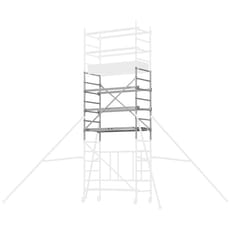
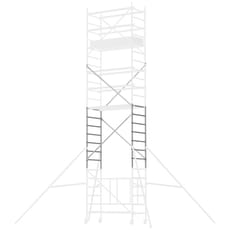
- Extension Packs: Additional frame sections and platforms to increase working height on modular tower systems
- Outriggers and Stabilisers: Enhanced stability components for taller configurations or outdoor use in exposed conditions
- Castors and Wheels: Locking castor sets for converting static towers to mobile units
- Toe Boards: Safety barriers that prevent tools and materials from falling off the platform edge
- Tool Trays and Holders: Platform-mounted storage solutions to keep tools organised and within reach
- Guardrails: Additional safety railings for enhanced fall protection on the working platform
- Storage Bags and Cases: Protective transport bags for compact storage and transportation between sites
- Ladder Brackets: Fixtures for securing ladders to the tower structure during access
Safety Information
Working at height presents significant risks, and proper safety protocols are essential when using access towers:
Assembly and Inspection: Always follow the manufacturer's assembly instructions precisely. Inspect the tower before each use, checking for damaged components, worn connections or missing parts. Never use damaged equipment. Ensure all locking mechanisms are properly engaged and the structure is level and stable before climbing.
PASMA Training: Professional users should complete PASMA training, which covers safe erection, use and dismantling of mobile access towers. This one-day course is recognised across the UK construction industry and demonstrates compliance with HSE working at height regulations.
Stability and Ground Conditions: Position towers on firm, level ground capable of supporting the loaded weight. Never use towers on soft, uneven or sloping surfaces without appropriate base plates or outriggers. Maintain the recommended base-to-height ratio specified by the manufacturer to prevent tipping.
Safe Working Practices: Always work within the platform area – never lean out beyond the guardrails or stand on the guardrails themselves. Keep the platform clear of unnecessary materials and ensure proper housekeeping to prevent trip hazards. Never move a tower whilst someone is on the platform, and always climb from inside the tower structure using the trap door access rather than external ladders.
Weather Conditions: Avoid using towers outdoors during high winds, ice or other adverse weather conditions. If working outdoors, secure the tower appropriately and consider additional stabilisation measures. Always follow HSE guidance on working at height in various weather conditions.
Frequently Asked Questions
Do I need training to use an access tower?
Whilst not legally required for all users, PASMA training is strongly recommended for anyone using towers professionally and is often mandatory on construction sites. This one-day course covers safe assembly, use and inspection procedures. For domestic DIY use, carefully following manufacturer instructions is essential, though training still provides valuable safety knowledge.
What's the maximum height I can work at with a tower?
This depends on the specific tower system and configuration. Basic towers typically offer working heights from 2.6m to 3.6m, whilst modular systems with extension packs can safely reach working heights of 7m or more. Always check the manufacturer's specifications and ensure proper stabilisation for taller configurations. Indoor use may permit greater heights than outdoor use due to wind exposure considerations.
Can I use a tower on stairs or uneven ground?
Standard towers require level, stable ground for safe use. Specialist stairwell towers with adjustable legs are available for working on stairs, but standard towers should never be used on uneven surfaces or slopes. If ground conditions aren't ideal, use base plates or boards to distribute the load and stabilise the structure, but never compromise on having a level, stable foundation.
How much weight can an access tower support?
Most scaffold towers have a safe working load between 150kg and 275kg, which includes the combined weight of workers, tools and materials. Always check the manufacturer's specifications for your specific model and never exceed the stated safe working load. Remember this isn't just about body weight – factor in toolboxes, materials and equipment on the platform.
Are aluminium towers suitable for electrical work?
Whilst aluminium is conductive, modern aluminium towers are widely used by electricians for many applications. However, never use metal towers when working on or near live electrical equipment or overhead power lines. For live electrical work, fibreglass towers specifically designed for electrical applications should be used instead. Always follow your company's safety protocols and HSE guidance regarding working near electrical installations.