

Tracing Dyes

Pay in 3 interest-free payments on purchases from £20-£3000 with  . Learn more.
 Loading...
End of content
Error - No more pages to load
About Tracing Dyes
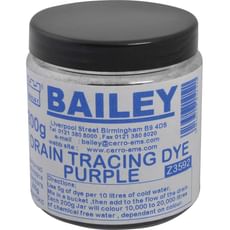
Tracing dyes are essential diagnostic tools used by plumbers, drainage engineers and building surveyors to identify water flow patterns, locate leaks and map underground drainage systems. These highly concentrated, water-soluble dyes are added to water systems to visually track the direction and destination of water flow through pipes, drains, sewers and other underground infrastructure. Available in various colours including fluorescent green, red and yellow, tracing dyes provide a cost-effective and reliable method for fault-finding in complex drainage networks.
The range available at Tooled-Up.com includes professional-grade drain tracing dyes that are specifically formulated for use in clean and contaminated water systems. These products typically come in concentrated powder or liquid form, requiring dilution with water before application. A single jar of concentrated dye can trace thousands of gallons of water, making them economical for both one-off investigations and regular maintenance work. When properly diluted and introduced into the system, the dye travels with the water flow, appearing at outlet points, leak locations or surfacing in connected drainage runs.
Tracing dyes are particularly valuable when investigating suspected cross-connections between foul and surface water drains, identifying illegal connections, or mapping drain runs where original plans are unavailable or inaccurate. The visual evidence provided by these dyes can prove connections between seemingly unrelated drainage points and help diagnose persistent damp problems in buildings.
Jargon Buster
- Dilution Rate: The ratio of concentrated dye to water required for effective tracing. Typical rates range from 1:1000 to 1:3000 depending on the distance to be traced and water clarity.
- Fluorescent Dye: A type of tracing dye that glows brightly under UV light, making it easier to detect in very dilute concentrations or contaminated water where visual detection may be difficult.
- Flow Tracing: The process of introducing dye into a drainage system to follow the path of water movement and identify where it emerges or leaks.
- Cross-Connection: An illegal or unintended connection between two separate drainage systems (such as foul water and surface water drains) that can be identified using different coloured tracing dyes.
- Dye Concentration: The strength of the dye solution, which must be adjusted based on water volume, flow distance and whether the water is clean or contaminated.
- Non-Toxic Formulation: Tracing dyes designed to be environmentally safe and biodegradable, suitable for use in systems that may eventually discharge into watercourses.
Who Uses Tracing Dyes?
- Plumbers: For diagnosing leak locations and verifying pipe connections in domestic and commercial properties
- Drainage Engineers: To map underground drainage networks and identify blockages or misdirected flows
- Building Surveyors: When investigating damp problems or conducting pre-purchase drainage surveys
- Local Authority Drainage Teams: For maintaining and mapping public sewer systems and investigating environmental incidents
- Environmental Consultants: To trace pollution sources and verify drainage compliance on development sites
- CCTV Drainage Surveyors: As a complementary tool to camera surveys for confirming connections and flow directions
- Water Companies: For investigating leaks in water distribution networks and identifying unauthorised connections
- Property Maintenance Contractors: When troubleshooting persistent drainage issues in residential and commercial buildings
How to Choose the Right Tracing Dyes
When selecting tracing dyes, consider the scale of your investigation. Calculate the approximate volume of water in the system you're tracing to determine how much concentrated dye you'll need. Check the manufacturer's dilution rates – typically one 227g (8oz) jar will trace approximately 15,000 litres of clean water, but contaminated or dirty water requires stronger concentrations for visibility.
Choose the appropriate colour for your application. If you're testing multiple potential connections simultaneously, Tooled-Up stocks dyes in different colours allowing you to introduce separate colours at different points and track which outlets they appear at. Fluorescent varieties offer advantages when working in low-light conditions or when very small concentrations need to be detected using UV lamps.
Consider the environmental aspects of your application. Ensure the dye you select is non-toxic and biodegradable if it will eventually discharge into watercourses or septic systems. Check that the product complies with relevant environmental regulations and is suitable for the specific type of drainage system you're investigating.
Think about the distance the dye needs to travel and the water flow rate. Longer distances or slow-moving systems may require higher concentrations or simply more patience for the dye to reach its destination. For intermittent flows or systems that only carry water occasionally, you may need to add additional water to ensure the dye moves through the system.
Popular Accessories
- UV Torches and Lamps: Essential for detecting fluorescent dyes in low concentrations or contaminated water
- Measuring Jugs and Containers: For accurately mixing dye solutions to the correct dilution rates
- Safety Gloves: To protect hands when handling concentrated dye powders and liquids
- Drain Inspection Mirrors: For checking manholes and inspection chambers for dye appearance
- CCTV Drain Cameras: Complementary diagnostic tools for comprehensive drainage surveys
- Sample Bottles: For collecting water samples to verify dye presence at suspected outlets
- Manhole Keys and Lifting Tools: For accessing drainage inspection points
- Funnels: To aid accurate introduction of dye solutions into drainage systems
Safety Information
Always wear appropriate PPE including safety gloves and eye protection when handling concentrated tracing dyes, as the powders can stain skin and clothing. Work in well-ventilated areas when mixing dye solutions and avoid inhaling powder particles. Store dyes in their original containers, tightly sealed and away from children and pets.
Be aware that tracing dyes will stain porous surfaces, fabrics and sanitary ware if used in excessive concentrations. When working in occupied buildings, inform residents that coloured water may appear at outlets and advise them to flush taps and toilets thoroughly after the investigation is complete. Check manufacturer's safety data sheets for specific handling instructions and disposal requirements in accordance with COSHH regulations.
Never introduce dyes into drinking water systems or potable water supplies. Ensure that any dyed water discharged into the environment complies with local water authority regulations and environmental protection requirements. If working near sensitive watercourses or protected areas, consult the Environment Agency regarding appropriate dye types and concentrations.
Frequently Asked Questions
How long does tracing dye take to appear at the outlet point?
This depends on the distance travelled, flow rate and volume of water in the system. In domestic drains with good flow, dye may appear within minutes. In longer runs or systems with minimal flow, it could take several hours or even days. Some engineers introduce dye and return the following day to check outlets.
Will tracing dye damage my drainage system or septic tank?
No, properly formulated tracing dyes are non-toxic and biodegradable, designed specifically for use in drainage systems. They won't harm pipes, septic tanks or treatment systems when used at recommended dilution rates. However, always follow manufacturer's instructions regarding concentration levels.
Can I use different colours simultaneously to test multiple connections?
Yes, this is a common technique used by drainage engineers. By introducing different coloured dyes at separate points in the system, you can definitively prove which inlets connect to which outlets. This is particularly useful when investigating suspected cross-connections or mapping complex drainage networks.
How much water do I need to add to flush the dye through the system?
Dissolve the dye in approximately five litres of water initially, then add this solution to the drain. Follow with additional clean water if needed – typically 20-50 litres depending on the system size and distance to be traced. For toilet connections, several flushes are usually sufficient.
Will the dye stain my fixtures or sanitary ware?
When used at correct dilution rates, modern tracing dyes shouldn't permanently stain porcelain or vitreous china fixtures. However, concentrated dye can stain porous materials. Any temporary staining on fixtures typically disappears after thorough flushing with clean water and normal cleaning.