
Trailing Sockets

Pay in 3 interest-free payments on purchases from £20-£3000 with  . Learn more.
Loading...
End of content
Error - No more pages to load
About Trailing Sockets
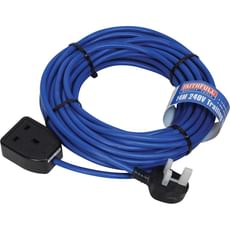
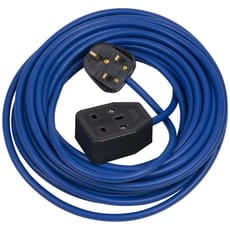
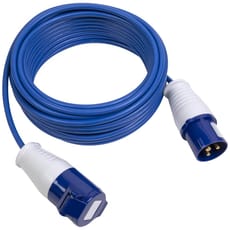
Trailing sockets are essential portable power distribution solutions that provide flexible 240v electrical connections wherever they're needed on site, in workshops, or around the home. Unlike fixed extension leads with moulded plugs, trailing sockets feature robust cable assemblies with industrial-grade sockets and plugs designed to withstand the rigours of professional use. These versatile power solutions are typically constructed with highly visible blue cable that meets BS EN 50525-2-11 standards, making them easy to spot in busy work environments whilst providing reliable power delivery in all weather conditions.
The range available from Tooled-Up.com includes various amp ratings to suit different applications, from standard 13A domestic-style units through to heavy-duty 16A and 32A industrial configurations. Most professional trailing sockets feature 2.5mm cable as standard for higher current applications, whilst lighter-duty 1.5mm variants offer a more portable solution for power tools and lighting. Many units carry IP44 ingress protection ratings, making them suitable for outdoor use and protecting against water splashes and dust ingress commonly encountered on construction sites.
Available in single and double socket configurations, trailing sockets offer a lightweight, space-saving alternative to bulky cable reels whilst maintaining the flexibility to power multiple tools and equipment. The blue industrial cable performs reliably even at low temperatures, ensuring year-round dependability whether you're working on summer roofing projects or winter groundworks. VDE approval on many units provides additional assurance of safety and quality for professional tradespeople.
Jargon Buster
- IP44 Rating: An ingress protection classification indicating the product is protected against solid objects larger than 1mm and water splashes from any direction, making it suitable for outdoor and site use.
- 16A Configuration: Industrial-standard 16 amp rating using blue CEE form sockets and plugs (2P+E - two poles plus earth), commonly found on construction sites and requiring compatible 16A equipment or adaptors.
- 2P+E Connection: Two pole plus earth wiring configuration used in industrial electrical connections, providing live, neutral and earth conductors for safe power transmission.
- VDE Approval: Certification from the German Association for Electrical, Electronic and Information Technologies, indicating the product meets rigorous European safety and quality standards.
- BS EN 50525-2-11: The British and European standard specification for PVC-insulated flexible cables, ensuring cables meet minimum safety and performance requirements for professional use.
- Cable CSA (Cross-Sectional Area): The thickness of the cable conductors measured in square millimetres (1.5mm² or 2.5mm²), which determines the maximum current capacity and voltage drop characteristics.
Who Uses Trailing Sockets?
Trailing sockets are used daily by a wide range of trades and industries requiring portable, reliable 240v power distribution:
- Electricians: For temporary power connections during installation work and testing equipment on site
- Builders and Construction Workers: Powering multiple tools across large building sites without permanent power infrastructure
- Carpenters and Joiners: Running power tools in varied locations throughout joinery workshops and installation sites
- Decorators and Painters: Connecting sanders, vacuums and lighting equipment in properties undergoing renovation
- Landscapers and Groundworkers: Operating outdoor power equipment including hedge trimmers, pressure washers and lighting
- Events and Exhibition Contractors: Providing temporary power distribution for lighting, audio equipment and catering facilities
- Maintenance Engineers: Connecting diagnostic equipment and power tools during facilities maintenance and repair work
- DIY Enthusiasts: Tackling home improvement projects requiring flexible power connections in gardens, garages and outbuildings
How to Choose the Right Trailing Sockets
Selecting the appropriate trailing socket depends on several key factors related to your specific application:
Amp Rating and Load Capacity: Consider the total wattage of equipment you'll be powering. Standard 13A sockets suit most power tools up to approximately 3000 watts, whilst 16A industrial sockets are necessary for higher-powered equipment or running multiple tools simultaneously. For particularly demanding applications, 32A configurations provide the highest capacity.
Cable Specification: The 2.5mm cable cross-section is standard for professional use, offering better current capacity and reduced voltage drop over longer distances compared to 1.5mm variants. However, 1.5mm trailing sockets provide a lighter, more manageable solution where flexibility and portability are priorities and loads are moderate.
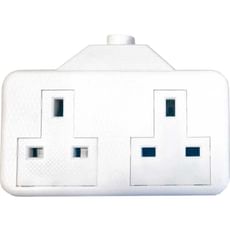
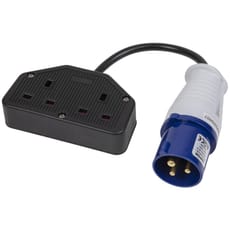
Socket Configuration: Single sockets offer simplicity and compact dimensions, whilst double socket variants eliminate the need for separate adaptors when powering two tools or lights. Consider whether you typically work with one piece of equipment or need to run multiple devices from a single connection point.
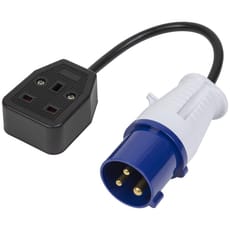
Connector Types: Match the socket and plug types to your existing equipment. Standard 13A domestic-style connections work with conventional UK plugs, whilst industrial 16A blue CEE form connectors require compatible equipment or appropriate adaptors available separately from Tooled-Up.
Environmental Protection: For outdoor work or wet environments, ensure your trailing socket carries an IP44 rating minimum. This ingress protection standard guarantees resistance to water splashes and prevents dust ingress that could compromise safety or performance.
Cable Length: Consider the working distances required. Whilst trailing sockets are typically more compact than extension reels, they're available in various lengths to balance portability with reach. Remember that excessive cable length increases voltage drop and can reduce tool performance.
Popular Accessories
- Cable Reels: For applications requiring longer cable runs with organised storage and deployment
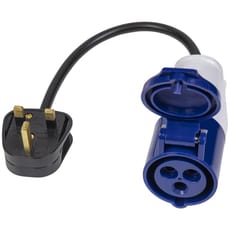
- 13A to 16A Adaptors: Enabling connection between domestic and industrial socket configurations
- RCD Protection Units: Providing essential earth leakage protection for portable power tool use, particularly outdoors
- Replacement Plugs and Sockets: Industrial 16A and 32A connectors for repairs or custom cable assembly
- Cable Protectors and Ramps: Preventing trip hazards and protecting cables from vehicle traffic on busy sites
- Portable Distribution Units: Multi-outlet power centres for larger temporary installations
- Weather-Resistant Enclosures: Additional protection for connections in particularly exposed locations
- Cable Ties and Management Systems: Keeping trailing cables organised and preventing tangling
Safety Information
Regular Inspection: Before each use, inspect trailing sockets for damage to cable insulation, cracked housings, or damaged pins and terminals. Any damaged equipment should be withdrawn from service immediately and either professionally repaired or replaced. The HSE reports that faulty electrical equipment remains a significant cause of workplace incidents.
RCD Protection: When using trailing sockets outdoors or in damp environments, always connect through a residual current device (RCD) rated at 30mA or less. This provides vital protection against electric shock should a fault develop in connected equipment or the cable itself becomes damaged.
Load Management: Never exceed the rated capacity of your trailing socket. Calculate the combined wattage of all connected equipment and ensure this remains below the socket's maximum rating (typically 3120 watts for 13A units at 240v). Overloading creates fire risks and can cause cable overheating.
Cable Positioning: Route cables to avoid trip hazards, sharp edges, and potential crush points. Never run trailing socket cables through doorways without protection, under floor coverings where they cannot be seen, or in locations where vehicles might pass over them without appropriate cable protection ramps.
Storage and Handling: When not in use, store trailing sockets loosely coiled in a dry location. Avoid tight coiling which can damage internal conductors over time. Never carry equipment by the cable or yank plugs from sockets by pulling the lead.
Frequently Asked Questions
What's the difference between 13A and 16A trailing sockets?
The 13A variants use standard UK domestic three-pin plugs and sockets, compatible with household equipment and most portable power tools. The 16A versions feature blue industrial CEE form connectors (2P+E configuration) commonly used on construction sites, offering higher current capacity and more robust construction. You'll need matching 16A equipment or adaptors to use 16A trailing sockets with standard plugged tools.
Can I use trailing sockets outdoors in wet weather?
Trailing sockets with IP44 ratings are designed for outdoor use and offer protection against water splashes and dust ingress. However, connections should never be left in standing water or direct heavy rain. For maximum safety, use trailing sockets outdoors in conjunction with an RCD (residual current device) which will trip instantly if moisture causes an earth leakage fault.
What does the blue cable colour signify?
Blue cable is the industry standard for 240v trailing leads and extension equipment, providing high visibility on busy construction sites and workshops. This bright colour helps prevent trip hazards by making cables easily visible against most backgrounds and has become the recognised standard for portable mains power distribution in professional environments.
How long can a trailing socket cable be before voltage drop becomes an issue?
With 2.5mm cable, voltage drop remains acceptable for distances up to approximately 25-30 metres for most power tools. Beyond this length, particularly with high-current equipment, you may experience reduced performance as voltage drop increases. For longer runs, consider using cable with a larger cross-sectional area or positioning your power source closer to the work area.
Do I need PAT testing for trailing sockets used at work?
Yes, all portable electrical equipment used in workplace environments should undergo regular Portable Appliance Testing (PAT) to comply with the Electricity at Work Regulations 1989. For construction site equipment subject to harsh conditions, the HSE recommends testing frequency of every three months. Keep records of all tests and immediately withdraw any equipment that fails inspection.