

Travel Bags & Storage
Pay in 3 interest-free payments on purchases from £30-2000 with  . Learn more.
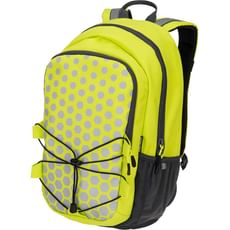
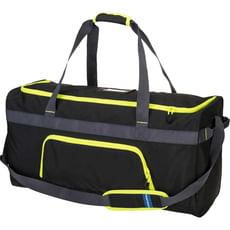
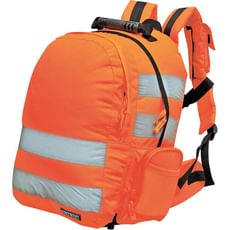
 Loading...
End of content
Error - No more pages to load
About Travel Bags & Storage
For tradespeople and professionals who need to transport tools, equipment, and supplies between job sites, workshops, and customer locations, reliable travel bags and storage solutions are essential kit. Whether you're a mobile electrician carrying testing equipment and hand tools, a plumber with pipe cutters and fittings, or a maintenance engineer travelling to multiple sites daily, the right bag can make the difference between arriving organised and ready to work or wasting valuable time searching through disorganised kit.
The travel bags and storage category at Tooled-Up.com encompasses everything from compact hand bags and shoulder bags designed for smaller tool sets and specialist equipment, through to robust backpacks and rucksacks capable of carrying heavy loads comfortably across extended periods. Modern tool bags are engineered specifically for professional use, featuring reinforced bases, weatherproof materials, ergonomic carrying systems, and intelligent internal organisation including multiple pockets, tool loops, and compartments that keep everything secure and accessible.
Unlike traditional toolboxes and wheeled storage systems, travel bags and rucksacks offer portability advantages when working in multi-storey buildings, accessing sites without vehicle access, using public transport, or navigating crowded urban environments. Many professionals maintain both fixed storage solutions for their main tool collection and versatile travel bags for day-to-day mobile work, allowing them to pack precisely what's needed for each specific job without carrying unnecessary weight.
Jargon Buster
- Denier (D) - A measurement unit indicating fabric thickness and durability. Higher denier fabrics (600D-1680D) offer greater abrasion resistance and tear strength, making them ideal for heavy-duty professional use where bags regularly encounter rough surfaces and sharp objects.
- Lumbar Support - Ergonomic padding and structured panels positioned at the lower back region of backpacks and rucksacks, designed to distribute weight evenly across the hips and spine, reducing fatigue and injury risk when carrying heavy tool loads throughout the working day.
- Load Distribution System - Advanced strap and harness configurations that transfer weight from shoulders to hips and core muscles, preventing strain and allowing comfortable transportation of heavier equipment over longer distances and extended periods.
- Weather-Resistant vs Waterproof - Weather-resistant bags repel light rain and moisture but aren't fully sealed, whilst waterproof bags feature sealed seams, water-resistant zips, and impermeable materials that protect contents even during heavy downpours or site flooding conditions.
- Tool Pallets/Organisers - Removable internal panels with elastic loops, pockets, and slots that hold individual tools securely in designated positions, preventing damage from tools knocking together during transport and enabling quick identification and access.
- Padded Laptop Sleeve - Dedicated compartment with cushioned walls designed to protect electronic devices such as laptops, tablets, diagnostic equipment, and electrical testing instruments from impacts and vibration during transportation.
Who Uses Travel Bags & Storage?
Travel bags and storage solutions serve a diverse range of tradespeople and professionals:
- Electricians and Sparkies - carrying multimeters, cable detectors, hand tools, and specialist testing equipment between domestic and commercial installations
- Plumbers and Heating Engineers - transporting pipe cutters, wrenches, soldering equipment, and diagnostic tools for service calls and maintenance work
- IT Technicians and Engineers - moving laptops, diagnostic equipment, cable testers, and hand tools between client sites and offices
- Maintenance Engineers - carrying diverse tool sets and specialist equipment across multiple site locations throughout their working day
- Joiners and Carpenters - transporting hand tools, measuring equipment, and smaller power tools for site surveys, first fix work, and finishing tasks
- HVAC Engineers - carrying refrigeration tools, pressure gauges, leak detectors, and hand tools for installation and service visits
- Security Installation Specialists - moving cameras, cabling tools, testing equipment, and hand tools between installation locations
- Property Inspectors and Surveyors - transporting measuring equipment, moisture meters, thermal cameras, and documentation between survey appointments
- Mobile Mechanics - carrying diagnostic equipment, specialist tools, and consumables for roadside assistance and mobile repair services
How to Choose the Right Travel Bags & Storage
Capacity and Load Requirements: Calculate the typical weight and volume of tools you regularly transport. Backpacks typically range from 20 to 50 litres capacity. For loads exceeding 10-12kg, prioritise bags with substantial padding and load distribution systems to prevent back strain and fatigue during extended carrying periods.
Comfort and Ergonomics: If carrying tools for more than short distances or throughout the working day, invest in bags with padded shoulder straps, breathable back panels, chest straps, and hip belts. Quality backpacks redistribute weight from shoulders to hips, significantly reducing physical strain and improving comfort during extended wear.
Organisation and Accessibility: Consider how quickly you need to access specific tools. Bags with multiple external pockets, internal dividers, and tool organisers allow systematic packing where frequently-used items remain easily accessible. Vertical-loading designs offer better organisation than top-loading styles when accessing tools without unpacking everything.
Durability and Construction: Professional-grade bags manufactured by brands like Stanley, DeWalt, and Milwaukee feature reinforced bases, heavy-duty zips, and high-denier fabrics that withstand daily jobsite abuse. Examine stitching quality, stress point reinforcement, and base protection—these areas typically fail first on inferior bags.
Weather Protection: For outdoor work or site environments, weatherproof materials and water-resistant zips protect valuable tools and electronic equipment from moisture damage. Consider bags with rain covers for comprehensive protection during severe weather conditions or if transporting sensitive diagnostic equipment.
Security Features: When leaving bags in vehicles or on site, lockable zips and discrete designs deter opportunistic theft. Some professional bags include internal security pockets for valuables, site access cards, and documentation that require additional protection.
Compatibility with Other Storage: If you already use modular storage systems like DeWalt TSTAK, Milwaukee PACKOUT, or Makita MakPac, consider bags designed to accommodate or complement these systems, allowing seamless integration between vehicle storage and portable transportation solutions.
Popular Accessories
- Rain Covers - waterproof covers that slip over bags during adverse weather, providing additional protection for tools and equipment
- Shoulder Strap Pads - supplementary cushioning that reduces pressure points during heavy load carrying
- Internal Tool Organisers - removable pouches and panels that provide customisable compartmentalisation for specific tool collections
- Padded Dividers - adjustable foam inserts that protect delicate equipment and prevent tools from shifting during transport
- Kneeling Mats - compact foam pads that attach externally to bags, providing knee protection during installation and repair work
- Trolley Conversions - wheeled bases and frames that convert backpacks into wheeled luggage for longer distance transportation
- Reflective Strips and Patches - high-visibility additions that improve safety when working near roadways or low-light environments
- Carabiners and Attachment Loops - external fixings for attaching additional pouches, water bottles, or equipment to bag exteriors
Frequently Asked Questions
What's the maximum weight I should carry in a tool backpack?
Health and safety guidance suggests limiting backpack weight to approximately 10-15% of your body weight for comfortable all-day carrying. For a 75kg person, this equates to roughly 7.5-11kg maximum. Exceeding these limits increases injury risk, particularly to the back and shoulders. If you regularly need to transport heavier loads, consider wheeled storage solutions or making multiple lighter trips rather than overloading a single bag.
Are tool backpacks suitable for carrying power tools?
Modern tool backpacks can accommodate compact power tools, particularly cordless drills, impact drivers, and multi-tools, provided the bag features adequate padding and internal organisation. However, larger power tools like circular saws, grinders, and SDS drills are better suited to dedicated tool bags or boxes. Always ensure power tools are securely positioned to prevent movement during transport, and remove batteries separately to reduce weight and improve balance.
How do I clean and maintain my tool bag?
Regular maintenance extends bag lifespan significantly. Empty completely and vacuum internal compartments monthly to remove dust, debris, and metal filings that can abrade fabric. Wipe exterior surfaces with damp cloth and mild detergent, avoiding harsh chemicals that degrade water-resistant coatings. Air dry thoroughly before repacking. Periodically inspect and lubricate zips with silicone spray, check stitching for wear, and repair minor damage promptly before it worsens.
Can I use regular rucksacks for carrying tools?
Whilst standard rucksacks can transport lighter tool collections, they lack the reinforcement, organisation, and durability required for professional trade use. Purpose-designed tool bags feature reinforced bases that resist puncture from sharp objects, waterproof materials protecting against site conditions, and internal organisation preventing tools from damaging each other. Regular rucksacks typically fail quickly under the weight and abrasion of professional tool sets.
What's better for mobile tradespeople: backpacks or shoulder bags?
Backpacks distribute weight across both shoulders and (with proper systems) onto hips, making them superior for heavier loads, longer carrying distances, and all-day comfort. Shoulder bags offer quicker access and suit lighter tool collections or shorter journeys between vehicle and worksite. Many professionals at Tooled-Up choose backpacks for primary tool transportation and maintain smaller shoulder bags for specialist equipment or specific job types requiring minimal kit.