

Trestles
Pay in 3 interest-free payments on purchases from £30-2000 with  . Learn more.
 Loading...
End of content
Error - No more pages to load
About Trestles
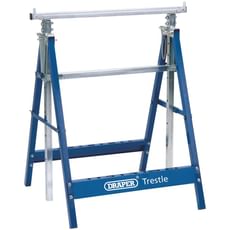
Trestles and sawhorses are indispensable support tools for any professional tradesperson or serious DIY enthusiast. These robust, portable platforms provide stable, elevated working surfaces for cutting, assembling, painting, and supporting materials across construction sites, workshops, and home projects. Modern trestles have evolved far beyond simple wooden A-frames, with today's designs incorporating telescopic height adjustment, folding mechanisms for easy transport and storage, and impressive load capacities that can handle heavy timber, doors, sheet materials, and even complete workbenches.
The range available at Tooled-Up.com includes everything from lightweight folding plastic trestles perfect for decorating and light assembly work, through to heavy-duty metal sawhorses built to withstand the rigours of daily professional use on building sites. Leading brands such as DeWalt, Sealey, Stanley, and Draper offer innovative features including quick-release leg adjustments, non-slip rubber feet for stability on uneven surfaces, and tool-free setup that gets you working in seconds. Many professional-grade models feature individually adjustable legs for working on slopes and uneven ground, whilst compact folding designs make transportation between jobs effortless.
Whether you need a temporary platform for cutting sheet materials, a stable support for assembling cabinets, or a versatile workstation that adapts to different tasks throughout the day, quality trestles deliver the reliability and flexibility that professional work demands. Tooled-Up stocks trestles suitable for every application, from compact models ideal for smaller workshops to industrial-strength options capable of supporting hundreds of kilograms.
Jargon Buster
- Sawhorse: An alternative term for a trestle, typically describing an A-frame or inverted V-shaped support structure used to hold materials at a comfortable working height for cutting or assembly.
- Load Capacity: The maximum weight a trestle can safely support, usually measured per pair. Professional models typically range from 200kg to over 1,000kg combined capacity, with individual trestle ratings clearly specified by manufacturers.
- Telescopic Legs: Adjustable leg sections that slide or extend to provide variable working heights, allowing the same trestle to adapt to different tasks or compensate for uneven ground conditions.
- Fold-Down Design: A space-saving mechanism that allows trestles to collapse flat for storage and transportation, essential for mobile tradespeople working across multiple sites.
- Quick-Release Mechanism: Tool-free adjustment systems that allow rapid height changes or folding without requiring spanners or screwdrivers, improving efficiency on busy job sites.
- Non-Marring: Protective features such as rubber or plastic contact surfaces that prevent scratching or damage to delicate materials like finished timber, doors, or decorative panels.
Who Uses Trestles?
- Carpenters and Joiners: Essential for supporting timber during cutting, planing, and assembly of furniture, cabinets, and structural elements
- Builders and General Construction Workers: Versatile support for sheet materials, doors, and temporary work platforms on building sites
- Decorators and Painters: Stable platforms for supporting doors, skirting boards, and creating temporary workbenches when combined with scaffold boards
- Shopfitters: Reliable support during installation of retail fixtures, display units, and commercial joinery
- Kitchen and Bathroom Fitters: Invaluable for supporting cabinets, worktops, and panels during installation and assembly
- Maintenance Engineers: Portable work platforms for servicing equipment and accessing awkward spaces in commercial and industrial settings
- DIY Enthusiasts: Home improvers tackling renovation projects, furniture building, and general workshop tasks
- Landscapers: Supporting materials for cutting decking, fencing panels, and constructing outdoor structures
How to Choose the Right Trestles
Load Capacity Requirements: Consider the heaviest materials you'll be supporting. Light decorating work might only require 150-200kg capacity per pair, whilst professional carpentry with heavy hardwood sheet materials demands 400kg or more. Always check the manufacturer's safe working load and never exceed stated limits.
Height Adjustability: Fixed-height trestles suit workshop environments where consistency matters, but telescopic or adjustable models offer greater versatility for varied tasks and working on uneven ground. Models with individually adjustable legs prove particularly valuable for outdoor site work where perfectly level ground is rare.
Material Construction: Plastic trestles offer lightweight portability and protection for delicate materials, making them ideal for decorating and light assembly. Steel and aluminium models provide superior strength and longevity for demanding professional use, though they weigh more. The selection at Tooled-Up includes both materials to suit different applications.
Portability and Storage: Mobile tradespeople should prioritise folding designs that pack flat in vehicles. Consider both folded dimensions and weight if you regularly transport trestles between jobs. Quick-release folding mechanisms save time and frustration compared to models requiring tools for adjustment.
Stability Features: Look for wide-stance designs with non-slip rubber feet for maximum stability. Some premium models include cross-bracing for additional rigidity, whilst others feature locking mechanisms that prevent accidental collapse during use.
Professional vs DIY Use: Occasional home users can select lighter, more economical models, whilst professional tradespeople should invest in heavy-duty options from manufacturers like DeWalt, Stanley, or Sealey that withstand daily site work and deliver long-term reliability.
Popular Accessories
- Scaffold Boards: Placed across trestle pairs to create extended work platforms or temporary benches
- Trestle Tops and Work Platforms: Purpose-designed tops that convert trestles into complete workbenches with integrated tool storage
- Roller Supports: Complementary support systems for feeding long materials through saws
- Clamps and Grips: Secure materials to trestles during cutting or assembly operations
- Protective Matting: Non-slip rubber or foam surfaces to protect delicate workpieces
- Trestle Bags: Dedicated carrying cases for protecting and transporting folding trestles
- Spirit Levels: Essential for ensuring trestles are correctly positioned on uneven surfaces
- Work Lights: Portable illumination for trestle-based work areas in poorly lit conditions
Safety Information
Load Limits: Never exceed the manufacturer's stated maximum load capacity. Remember that dynamic loads (materials being moved or cut) create greater forces than static weight. Always use trestles in pairs for balanced support and distribute weight evenly.
Stable Positioning: Ensure all legs are fully extended and locked before use. Check that rubber feet make firm contact with the ground and that the trestle stands level. On soft ground or uneven surfaces, use boards beneath the feet to distribute weight and prevent sinking or tipping.
Regular Inspection: Examine trestles before each use for damaged components, bent legs, worn locking mechanisms, or cracked welds on metal models. Replace or repair damaged units immediately – compromised trestles pose serious collapse risks.
Correct Usage: Trestles are designed as support structures, not as ladders or step platforms. Never climb on trestles or use them as elevated working platforms unless specifically designed and rated for such use. Follow HSE guidance on safe working practices when using trestles as part of temporary work platforms.
Storage and Transport: When folding trestles, keep hands clear of pinch points and locking mechanisms. Store in dry conditions to prevent corrosion on metal models, and keep folded trestles secured during vehicle transport to prevent movement that could cause damage or injury.
Frequently Asked Questions
What's the difference between sawhorses and trestles?
The terms are essentially interchangeable in the UK, both referring to portable support frames. "Sawhorse" traditionally describes simpler A-frame designs primarily for cutting operations, whilst "trestle" can encompass a broader range of adjustable and heavy-duty support structures. Modern usage sees both terms applied to the same products.
How much weight can a pair of trestles safely support?
This varies significantly by model and construction. Lightweight plastic trestles might support 150-250kg per pair, mid-range folding steel models typically handle 300-500kg, whilst professional heavy-duty sawhorses can exceed 1,000kg combined capacity. Always check the manufacturer's specifications and never exceed stated limits for safe operation.
Do I need adjustable or fixed-height trestles?
Adjustable trestles offer greater versatility for varied tasks and working on uneven ground, making them ideal for site work and multi-purpose use. Fixed-height models suit dedicated workshop environments where consistent working height matters. For professional tradespeople working across different locations, adjustable telescopic models provide better value despite slightly higher initial cost.
Can trestles be used outdoors on uneven ground?
Yes, particularly models with individually adjustable legs that compensate for slopes and uneven surfaces. Ensure all feet make firm ground contact and consider placing boards beneath feet on soft ground to prevent sinking. Models with wider stances and rubber feet provide superior stability on outdoor sites compared to narrow designs.
How do I maintain metal trestles to prevent rust?
Store trestles in dry conditions when not in use and wipe down after exposure to wet conditions. Inspect joints and welds regularly for signs of corrosion, particularly if used outdoors. Apply light machine oil to moving parts and adjustment mechanisms to maintain smooth operation. Powder-coated steel models offer better corrosion resistance than bare metal alternatives.