

Trolleys
Pay in 3 interest-free payments on purchases from £30-2000 with  . Learn more.
 Loading...
End of content
Error - No more pages to load
About Trolleys
Workshop and site trolleys are essential pieces of equipment designed to transport tools, machinery, and materials efficiently and safely around work environments. From dedicated steam cleaner carts to heavy-duty platform trolleys, these mobility solutions help tradespeople and facility managers move equipment between locations without risk of injury or damage. A quality trolley can transform workflow efficiency, particularly when working across large sites, multi-storey buildings, or moving heavy cleaning equipment between different areas.
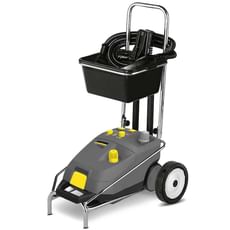
Trolled-Up.com stocks trolleys designed specifically for professional equipment such as steam cleaners, alongside general-purpose transport solutions. Specialist equipment trolleys feature custom mounting points, storage compartments for accessories, and robust construction to handle the weight and dimensions of specific machinery. These purpose-built carts ensure that cleaning equipment, power tools, and accessories remain organised and accessible whilst being transported, reducing setup time at each work location and minimising the risk of leaving valuable accessories behind.
Modern equipment trolleys incorporate thoughtful design features including swivel castors for manoeuvrability, ergonomic handle heights, and integrated storage solutions. Heavy-duty models can support substantial loads whilst maintaining stability on uneven surfaces, making them suitable for both indoor facilities management and outdoor site work. The right trolley protects your investment in expensive equipment whilst significantly reducing the physical strain associated with carrying heavy machinery.
Jargon Buster
- Load Capacity: The maximum safe working load a trolley can carry, typically measured in kilograms. Always check this specification matches your equipment weight plus accessories to ensure safe operation and prevent trolley failure.
- Swivel Castors: Rotating wheels that can turn 360 degrees, providing enhanced manoeuvrability around obstacles and in tight spaces. Quality castors feature sealed bearings for smooth rolling and longevity even in dusty workshop environments.
- Platform Trolley: A flat-deck trolley with a solid base platform for carrying boxes, equipment, or materials. The platform may be steel, aluminium, or reinforced composite material depending on intended load and environment.
- Fixed Castors: Non-rotating wheels that only roll forward and backward, typically positioned at one end of a trolley with swivel castors at the other end. This configuration provides directional stability whilst maintaining manoeuvrability.
- Chassis Construction: The frame material and design of the trolley, commonly steel or aluminium. Steel offers maximum strength for heavy loads, whilst aluminium provides lighter weight for improved portability without sacrificing durability.
- Accessory Mounting: Dedicated hooks, brackets, or storage compartments integrated into equipment trolleys for organising attachments, hoses, cables, and consumables alongside the main machinery.
Who Uses Trolleys?
Equipment trolleys serve a diverse range of professional users across commercial and industrial sectors:
- Facilities Managers: Moving cleaning equipment and maintenance tools throughout commercial buildings, hospitals, schools, and leisure centres
- Contract Cleaners: Transporting steam cleaners, vacuum equipment, and cleaning supplies between client sites and across large premises
- Warehouse Operatives: Moving stock, tools, and materials around distribution centres and storage facilities
- Maintenance Engineers: Carrying diagnostic equipment, toolboxes, and machinery to different locations within industrial facilities
- Event Staff: Setting up and dismantling equipment at venues, conferences, and temporary installations
- Site Managers: Distributing tools and equipment across construction sites and managing mobile tool stations
- Automotive Technicians: Moving heavy diagnostic equipment and tools around workshop bays
- Gardeners and Groundskeepers: Transporting equipment and materials across estates, parks, and landscaping sites
How to Choose the Right Trolleys
Selecting the appropriate trolley requires careful consideration of your specific equipment and working environment:
Equipment Compatibility: For dedicated equipment trolleys like those designed for Kärcher steam cleaners, verify that the model is specifically designed for your machine. Purpose-built trolleys from Tooled-Up ensure proper fit, stability, and include appropriate mounting points for accessories, preventing damage during transport and keeping everything organised.
Load Capacity and Weight: Calculate the total weight of your equipment including all accessories, cables, and consumables. Select a trolley with a load capacity that exceeds this figure by at least 20% to provide a safety margin and account for additional items you may add over time.
Wheel Configuration: Consider the surfaces you'll be traversing. Larger diameter wheels (100mm+) roll more easily over uneven ground and thresholds. Pneumatic tyres suit outdoor use on rough terrain, whilst solid rubber or polyurethane wheels are ideal for smooth indoor floors. A combination of swivel and fixed castors provides the best balance of manoeuvrability and directional control.
Construction Quality: Steel-framed trolleys offer maximum durability for heavy equipment and harsh environments, whilst aluminium constructions reduce weight for improved portability. Check welded joints are reinforced and castors are securely mounted with proper load-rated fixings rather than simple pop-rivets.
Storage Features: Look for integrated hooks, brackets, or compartments for organising accessories alongside your main equipment. This keeps hoses, nozzles, brushes, and cleaning solutions immediately accessible and prevents leaving items behind when moving between locations.
Handle Design: Ergonomic handles at appropriate heights reduce strain during pushing and pulling. Fold-down handles can reduce storage footprint when the trolley isn't in use, particularly important for smaller workshops or storage areas.
Popular Accessories
- Castor Brakes: Locking mechanisms for castors to prevent trolley movement when loading or working from the cart
- Replacement Castors: Spare wheels in various materials and sizes to suit different floor surfaces or replace worn components
- Bungee Cords and Straps: Securing equipment and materials to prevent shifting during transport
- Tool Hooks and Brackets: Additional mounting points for organising accessories and attachments
- Storage Boxes and Totes: Containers that fit onto trolley platforms for organising smaller items and consumables
- Corner Protectors: Guards that prevent damage to walls and doorframes when manoeuvring in tight spaces
- Anti-Slip Matting: Rubber or textured material for trolley platforms to prevent equipment sliding during movement
Safety Information
Safe trolley operation is essential to prevent workplace injuries and equipment damage. Always observe the manufacturer's stated load capacity and distribute weight evenly across the platform to maintain stability. Overloading trolleys can lead to castor failure, frame damage, or tipping hazards.
When manoeuvring loaded trolleys, push rather than pull where possible to maintain better control and visibility. Take particular care on inclines, ramps, and uneven surfaces where loads can shift unexpectedly. Apply castor brakes before loading or unloading equipment, and never leave a loaded trolley on an incline without proper securing.
Regular maintenance extends trolley life and maintains safety standards. Inspect castors for damage, debris, and bearing wear before each use. Check that all fixings remain tight and frames show no signs of cracking or deformation. Clean wheels regularly to prevent debris buildup that can impair rolling performance or damage floor surfaces. Replace worn or damaged castors immediately rather than continuing to use compromised equipment.
Frequently Asked Questions
What load capacity do I need for a steam cleaner trolley?
Steam cleaner trolleys should accommodate the weight of your machine plus all accessories, typically ranging from 20-50kg depending on the model. Check your steam cleaner's specifications and add approximately 10kg for hoses, brushes, and other attachments to determine the minimum required capacity.
Can I use equipment trolleys outdoors on rough ground?
Purpose-built equipment trolleys with larger diameter wheels (150mm+) and pneumatic tyres can handle moderate outdoor terrain. However, trolleys designed primarily for indoor use with small solid wheels may struggle on uneven surfaces. Consider the typical surfaces you'll encounter and choose wheel specifications accordingly.
How do I prevent my trolley damaging floors?
Select castors with non-marking polyurethane or rubber wheels rather than hard plastic or metal. Regularly clean wheels to remove grit and debris that can scratch floor surfaces. For delicate flooring, consider larger diameter wheels that distribute weight more effectively and reduce point loading.
Are specialist equipment trolleys worth the investment over general platform trolleys?
For expensive equipment like professional steam cleaners, dedicated trolleys from manufacturers like Kärcher provide custom mounting that prevents movement during transport and includes integrated accessory storage. This protects your equipment investment and improves workflow efficiency compared to generic platform trolleys where equipment can shift or topple.
What maintenance do trolleys require?
Regularly inspect and tighten all fixings, particularly castor mounting bolts. Lubricate wheel bearings every few months or more frequently in dusty environments. Clean wheels after use to prevent debris buildup. Replace damaged or worn castors immediately, and check frame welds periodically for any signs of cracking or stress.