

Trowel Sets
Pay in 3 interest-free payments on purchases from £30-2000 with  . Learn more.
 Loading...
End of content
Error - No more pages to load
About Trowel Sets
Trowel sets provide tradespeople and DIY enthusiasts with a comprehensive collection of essential tools for plastering, bricklaying, and finishing work. Rather than purchasing individual trowels as needed, these curated sets bundle together the most commonly used trowel types, offering excellent value and ensuring you have the right tool for every stage of a job. Whether you're smoothing render, laying bricks, finishing corners, or applying plaster, a quality trowel set eliminates the need to make multiple purchases whilst guaranteeing consistency in build quality across your toolkit.
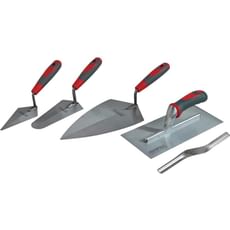
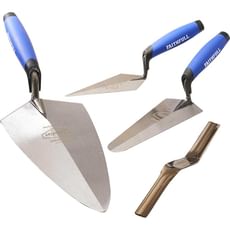
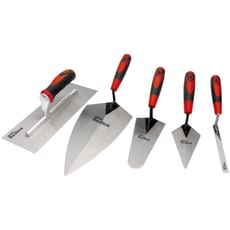
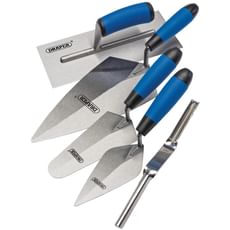
The trowel sets available from Tooled-Up.com typically include various configurations from 2-piece corner trowel sets through to comprehensive 5-piece collections. Most professional-grade sets feature carbon steel blades that have been hardened and tempered for durability, often with a lacquered finish to resist corrosion. Soft grip handles have become the standard across quality sets, reducing hand fatigue during extended use and improving control when working with wet materials. Sets may combine pointing trowels, finishing trowels, corner trowels, gauging trowels, and bucket trowels depending on their intended application.
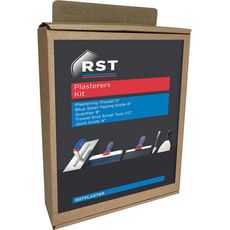
Tooled-Up stocks trowel sets from trusted manufacturers including Draper, Faithfull, and RST, each offering different configurations suited to specific trades. Plasterers' sets typically focus on finishing and corner tools, whilst bricklayers' sets prioritise pointing and jointing trowels alongside standard laying trowels. Purchasing a set rather than individual tools ensures blade consistency, matching handle ergonomics, and often includes a convenient storage solution to keep your tools organised on site or in the workshop.
Jargon Buster
- Carbon Steel Blade – The most common trowel blade material, offering an excellent balance of flexibility, strength, and affordability. Carbon steel can be hardened and tempered to increase durability whilst maintaining the slight flex needed for smooth finishing work.
- Soft Grip Handle – An ergonomic handle design featuring a rubberised or cushioned grip material that reduces hand fatigue, improves comfort during extended use, and provides better control when working with wet plaster or mortar.
- Gauging Trowel – A small, typically triangular or pointed trowel used for mixing small quantities of plaster or mortar, applying material to tight spaces, and detail work where a full-sized trowel would be impractical.
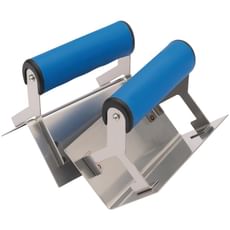
- Corner Trowel – A specialist trowel with a blade bent at 90 degrees, designed specifically for finishing internal corners when plastering. Available in left-handed and right-handed configurations, or as reversible designs.
- Hardened and Tempered – A heat treatment process that increases the durability and wear resistance of the blade whilst maintaining appropriate flexibility. This prevents premature blade deformation and extends tool life.
- Finishing Trowel – A large, flat-bladed trowel used for the final smoothing and polishing of plaster surfaces. These typically have highly polished blades that create a smooth, professional finish without marking the surface.
Who Uses Trowel Sets?
- Plasterers – Professional rendering and plastering specialists who require multiple trowel types for different stages of wall and ceiling finishing work
- Bricklayers – Tradespeople laying bricks and blocks who need pointing, jointing, and mortar application tools readily available
- General Builders – Multi-trade professionals who handle various aspects of construction work requiring plastering and finishing capabilities
- Maintenance Teams – Property maintenance workers and facilities management staff conducting repair work involving plaster or render patching
- DIY Enthusiasts – Homeowners tackling renovation projects, wall repairs, or plastering work who need a complete toolkit without purchasing individual specialised trowels
- Decorators – Painting and decorating professionals who prepare surfaces and conduct minor plastering repairs before finishing work
- Restoration Specialists – Conservation and heritage building experts working with traditional lime plaster and render applications
How to Choose the Right Trowel Sets
Trade Specialism: Consider your primary application when selecting a set. Plasterers' sets focus on finishing and corner trowels, whilst bricklayers' sets emphasise pointing and jointing tools. General-purpose sets offer broader versatility for varied work.
Set Configuration: Evaluate how many pieces you genuinely need. A 2-piece corner trowel set suits specialists focusing on finishing work, whilst 5-piece sets provide comprehensive coverage for diverse projects. Consider whether the included tools match your typical job requirements rather than simply choosing the largest set available.
Blade Material and Quality: Carbon steel blades represent the industry standard, but check for hardening and tempering treatments that extend blade life. A lacquered or protective finish prevents rust, particularly important when tools are stored between jobs or used with moisture-laden materials.
Handle Design: Soft grip handles significantly reduce hand fatigue during extended use. Check that handle shapes suit your grip style and hand size. Professional users working full days should prioritise ergonomic designs over basic plastic or wooden handles.
Brand Reputation: Established manufacturers like Draper, Faithfull, and RST have proven track records for quality and durability. Professional-grade sets may cost more initially but typically outlast budget alternatives, making them more economical over time.
Storage Solution: Some sets include carry cases or storage rolls that protect blades and keep tools organised. This becomes particularly valuable for mobile tradespeople working across multiple sites who need to transport tools safely.
Popular Accessories
- Hawk Boards – Essential for holding plaster or mortar whilst working, allowing efficient material access without constant trips to the mixing bucket
- Plastering Sponge Floats – Used for smoothing and finishing plaster surfaces, particularly helpful for achieving polished finishes on larger areas
- Mixing Buckets – Heavy-duty buckets specifically designed for mixing plaster, render, and mortar with graduated markings for consistent batching
- Spirit Levels – Crucial for checking wall flatness and ensuring plaster application remains level across surfaces
- Jointing Tools – Specialised tools for finishing mortar joints between bricks or blocks to professional standards
- Tool Cleaning Solutions – Specialist cleaners that remove dried plaster and cement from blades without damaging protective finishes
- Work Gloves – Protective gloves that shield hands from alkaline materials whilst maintaining sufficient dexterity for tool handling
- Tool Bags and Belts – Organised storage systems that keep frequently used trowels accessible whilst working at height or moving around sites
Frequently Asked Questions
What's the difference between a plastering trowel set and a bricklaying trowel set?
Plastering sets typically include finishing trowels with highly polished blades for smooth surface work, corner trowels for internal angles, and smaller gauging trowels for detail work. Bricklaying sets focus on pointing trowels for mortar joint finishing, jointing tools, and brick laying trowels with different blade shapes. The blade finish also differs – plastering trowels have mirror-polished surfaces whilst bricklaying trowels may have slightly textured finishes for better mortar adhesion.
How should I clean and maintain carbon steel trowel blades?
Clean blades immediately after use before materials dry and bond to the surface. Use warm water and a stiff brush for fresh plaster or mortar, or specialised cleaning solutions for stubborn residue. Dry blades thoroughly after cleaning to prevent rust, and apply a light coating of oil or WD-40 to carbon steel surfaces before storage. Never leave trowels soaking in water overnight, as this accelerates corrosion even on lacquered blades.
Can beginners benefit from professional-grade trowel sets?
Absolutely. Quality tools actually make learning easier by performing predictably and requiring less compensatory technique. Professional sets from brands like Faithfull and Draper feature better balance, appropriate blade flex, and ergonomic handles that reduce fatigue whilst you develop proper technique. Budget tools often frustrate beginners with poor performance that makes skill development unnecessarily difficult. A good set purchased initially will serve you through learning and into competent practice.
What size finishing trowel should my set include?
Most versatile sets include finishing trowels between 280mm and 350mm in length. Beginners often find 280-300mm trowels easier to control whilst learning proper technique, whilst experienced plasterers may prefer 350-400mm blades for faster coverage on large surfaces. If purchasing a set for varied work, a medium 300-320mm finishing trowel provides the best balance between control and coverage for both small repairs and larger areas.
Are soft grip handles worth the extra cost compared to wooden handles?
For professional users or anyone working for extended periods, soft grip handles represent excellent value. They significantly reduce hand fatigue, blistering, and strain during repetitive work. The cushioned material also provides better control when hands become wet or dusty. Traditional wooden handles remain popular with some tradespeople for their proven durability, but modern soft grip designs have become the professional standard for good reason. The modest price difference becomes negligible compared to improved comfort over the tool's working life.