

Turning Chisels

Pay in 3 interest-free payments on purchases from £20-£3000 with  . Learn more.
Loading...
End of content
Error - No more pages to load
About Turning Chisels
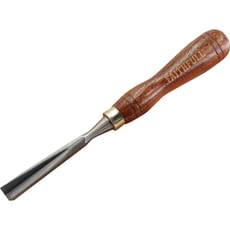
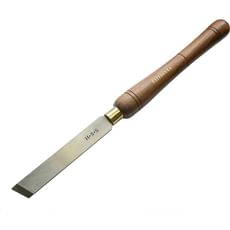
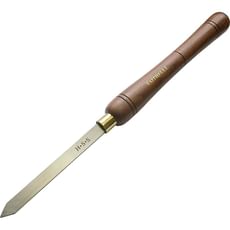
Turning chisels are specialised woodworking tools designed specifically for use with woodturning lathes, enabling craftspeople to shape, smooth and detail spindle work and other turned wooden pieces. Unlike bench chisels used for general carpentry, turning chisels are engineered to withstand the unique forces and angles involved in shaping wood as it rotates at high speed on a lathe. These essential tools come in various profiles including parting tools, skew chisels, gouges and bowl gouges, each designed for specific cutting techniques and finishing applications.
Modern turning chisels are typically manufactured from high-speed steel (HSS), which offers superior edge retention compared to traditional carbon steel alternatives. HSS turning chisels maintain their sharpness significantly longer when working with both hardwoods and softwoods, reducing downtime for resharpening and ensuring consistent, clean cuts throughout extended turning sessions. The chisels available from Tooled-Up.com feature contoured wooden handles with brass ferrules, providing comfortable grip and control during intricate turning operations.
Quality turning chisels represent an investment in precision and durability for anyone serious about woodturning, from hobbyist turners creating decorative items to professional woodworkers producing bespoke furniture components, spindles and architectural features.
Jargon Buster
- High-Speed Steel (HSS) - A tool steel alloy that maintains hardness at high temperatures and retains a sharp cutting edge much longer than carbon steel, making it ideal for continuous turning operations.
- Parting Tool - A narrow-bladed chisel used to separate completed work from waste material on the lathe, create grooves, and establish sizing points along a spindle.
- Skew Chisel - A flat chisel with an angled cutting edge, used for smoothing cylinders, creating fine detail work, forming beads and achieving superior surface finishes on spindle work.
- Ferrule - A metal band (typically brass) fitted around the handle near the blade that prevents the handle from splitting under the pressure of turning operations.
- Bevel - The ground angle on the chisel blade that determines cutting performance; the bevel is typically rubbed against the workpiece during turning to control the cut.
- Spindle Turning - Woodturning work performed between centres on a lathe, typically for creating items like table legs, chair spindles, pens and rolling pins.
Who Uses Turning Chisels?
- Professional Woodturners - Craftspeople who produce turned items commercially, from decorative bowls to architectural components
- Furniture Makers - Joiners and cabinet makers who incorporate turned elements into custom furniture pieces
- Restoration Specialists - Professionals who recreate period-appropriate turned components for antique furniture and architectural restoration
- Hobbyist Woodturners - DIY enthusiasts who enjoy woodturning as a creative pastime, producing gifts, ornaments and decorative items
- Educational Institutions - Woodworking tutors and students in colleges, adult education centres and specialist turning schools
- Theatrical and Film Prop Makers - Professionals who create authentic period props and set pieces requiring turned wooden elements
- Musical Instrument Makers - Luthiers who turn components for instruments such as recorders, bagpipes and various folk instruments
How to Choose the Right Turning Chisels
Selecting appropriate turning chisels depends on several factors relating to your intended applications and experience level. Consider the blade material first - high-speed steel (HSS) chisels offer the best performance and longevity, particularly for those working regularly with hardwoods or conducting extended turning sessions. Whilst HSS tools represent a higher initial investment, their superior edge retention makes them more economical over time.
The profile and width of the chisel should match your specific turning tasks. Parting tools are essential for sizing work and cutting off completed pieces, whilst skew chisels excel at producing smooth finishes on cylinders and creating fine detail. If you're establishing a new workshop or starting in woodturning, purchasing a basic set covering the fundamental profiles provides better value than individual specialist tools initially.
Handle design significantly impacts control and comfort during use. Look for chisels with full-sized, contoured handles made from hardwood such as walnut or ash, which provide secure grip even during extended sessions. Brass ferrules are essential to prevent handle splitting. The overall length and balance of the tool should feel comfortable in your hands, as woodturning requires sustained control and precise movements. Browse the selection at Tooled-Up.com to compare specifications and ensure the chisels suit your lathe size and typical workpiece dimensions.
Popular Accessories
- Sharpening Systems - Bench grinders, wet stone grinders and honing guides for maintaining optimal cutting edges
- Tool Rests - Lathe accessories that support turning chisels at the correct height and angle during operation
- Turning Tool Storage - Wall racks and tool rolls designed to protect chisel edges and keep tools organised
- Safety Visors and Face Shields - Essential PPE to protect against flying wood chips and dust
- Callipers and Measuring Tools - Precision instruments for sizing turned work accurately
- Finishing Supplies - Abrasives, sealers and waxes specifically formulated for turned wooden items
- Woodturning Blanks - Pre-prepared timber sections suitable for various turning projects
Safety Information
Woodturning with chisels presents specific safety considerations that must be observed rigorously. Always wear appropriate eye protection or a full face shield, as wood chips and shavings are ejected at high velocity from rotating workpieces. Ensure your lathe is properly secured to a stable bench or floor mounting, and that workpieces are firmly mounted between centres or in the chuck before commencing work.
Maintain sharp cutting edges on all turning chisels - dull tools require excessive pressure, increasing the risk of catches and loss of control. Always present the tool to the workpiece with the bevel rubbing, and advance the cutting edge gradually. Never force the tool or take overly aggressive cuts. Remove jewellery, tie back long hair, and avoid loose clothing that could become entangled in rotating components.
Ensure adequate dust extraction or wear appropriate respiratory protection when turning, particularly when working with exotic hardwoods or treated timber. Familiarise yourself with your lathe's emergency stop mechanism and keep the work area clear of obstacles. Consider attending a woodturning course if you're new to the craft, as proper technique significantly reduces accident risk whilst improving results.
Frequently Asked Questions
What's the difference between HSS and carbon steel turning chisels?
High-speed steel (HSS) turning chisels maintain their sharp edge significantly longer than carbon steel equivalents, particularly when working with hardwoods. Whilst carbon steel tools are less expensive initially, HSS chisels require less frequent sharpening, making them more economical and convenient for regular use. HSS also performs better at the elevated temperatures generated during continuous turning operations.
Can I use regular bench chisels for woodturning?
Bench chisels are not suitable for woodturning applications. Turning chisels are specifically designed with longer handles, different blade profiles and appropriate tang construction to withstand the lateral forces encountered when shaping rotating workpieces. Using bench chisels on a lathe is dangerous and will likely result in tool damage or personal injury.
How often should turning chisels be sharpened?
Sharpening frequency depends on the timber being worked and the intensity of use. HSS chisels typically require sharpening after several hours of continuous use in softwoods, or more frequently when working dense hardwoods. You'll notice when sharpening is needed as cuts become less clean and require more pressure. Maintaining sharp edges improves both safety and finish quality.
What size turning chisels do I need for my lathe?
Chisel size should be proportionate to your lathe capacity and typical workpiece dimensions. For mini-lathes and small spindle work, chisels with 6-13mm blade widths are appropriate. Standard-sized lathes work well with 13-19mm tools, whilst larger lathes and bowl turning may require chisels up to 25mm or wider. Starting with mid-range sizes provides versatility for most projects.
Do turning chisels come with a warranty?
Most quality turning chisels from established manufacturers include a warranty against manufacturing defects. Warranty terms vary by brand, but typically cover blade integrity and handle construction rather than normal wear from use and sharpening. The Tooled-Up range includes products from reputable brands that stand behind their manufacturing quality, ensuring you're investing in reliable tools built to professional standards.