

Turning Scrapers

Pay in 3 interest-free payments on purchases from £20-£3000 with  . Learn more.
 Loading...
End of content
Error - No more pages to load
About Turning Scrapers
Turning scrapers are specialist woodturning tools designed for use with woodturning lathes, offering precision finishing and shaping capabilities that complement traditional turning chisels. Unlike cutting tools that shave away material, scrapers work by removing fine amounts of wood through a scraping action, making them ideal for creating smooth finishes on bowls, spindles, and decorative features. Manufactured from high-speed steel (HSS), quality turning scrapers maintain their sharp cutting edge significantly longer than carbon steel alternatives, reducing downtime for resharpening and improving productivity during extended turning sessions.
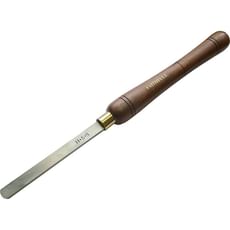
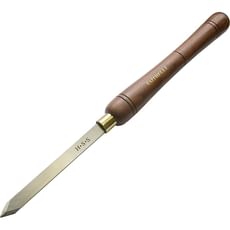
The range available at Tooled-Up.com includes various profile types to suit different woodturning applications. Diamond point scrapers excel at creating incised line decoration and fine detail work, whilst round nose scrapers are perfect for hollowing bowls and creating smooth curved surfaces. These tools typically feature full-length blades of approximately 160mm mounted in comfortable contoured handles, often made from walnut or similar hardwoods with brass ferrules for durability. The overall tool length of around 410mm provides excellent control and leverage at the lathe, allowing woodturners to work confidently on both spindle and faceplate turning projects.
High-speed steel construction is particularly important for turning scrapers, as it allows the tools to perform consistently well in both hard and softwoods without losing their edge quickly. The superior edge retention means less time spent at the grinding wheel and more time creating, making HSS turning scrapers a worthwhile investment for anyone serious about woodturning. Properly maintained and regularly honed, these tools deliver exceptional results on timber ranging from soft pine to dense exotics, enabling craftspeople to achieve professional-quality finishes straight from the lathe.
Jargon Buster
- High-Speed Steel (HSS) - A tool steel alloy containing tungsten, molybdenum, chromium and vanadium that maintains hardness at high temperatures, allowing cutting edges to stay sharper for longer than carbon steel
- Diamond Point Scraper - A turning scraper with a pointed profile ideal for incised decoration, creating fine lines, and accessing tight internal corners on turned work
- Round Nose Scraper - A scraper with a curved cutting edge designed for hollowing bowls and creating smooth concave curves on faceplate work
- Ferrule - The metal collar (typically brass) fitted between the handle and blade that prevents the wooden handle from splitting under pressure during turning operations
- Burr - A slight turned edge on the scraper that enhances cutting performance; many turners deliberately create a burr using a burnishing tool for improved scraping action
- Tool Rest - The adjustable support bar on a lathe that provides a stable platform for resting turning tools during operation
Who Uses Turning Scrapers?
- Professional Woodturners - Craftspeople producing bowls, platters, spindles and decorative items for sale
- Furniture Makers - Joiners and cabinet makers creating turned components for bespoke furniture pieces
- Restoration Specialists - Professionals replicating period turned features for architectural and furniture restoration projects
- Hobbyist Woodturners - DIY enthusiasts exploring woodturning as a creative pursuit
- Educational Institutions - Schools, colleges and training centres teaching woodworking and turning techniques
- Musical Instrument Makers - Luthiers creating turned components for instruments such as bagpipes, recorders and other wooden instruments
- Ornamental Turners - Specialists creating decorative items, wooden jewellery and artistic pieces
How to Choose the Right Turning Scrapers
When selecting turning scrapers, blade material should be your first consideration. High-speed steel scrapers significantly outperform carbon steel equivalents, maintaining their edge through extended use and requiring less frequent resharpening. Tooled-Up stocks HSS turning scrapers from trusted manufacturers like Faithfull, ensuring quality construction that stands up to regular workshop use.
Profile selection depends on your intended applications. Diamond point scrapers are versatile tools excellent for detail work, incised decoration and accessing internal corners, making them ideal for spindle turning and decorative features. Round nose scrapers suit faceplate work particularly well, excelling at hollowing bowls and creating smooth curved surfaces. Many woodturners find that having both profiles available provides maximum versatility for different projects.
Handle quality and comfort matter during extended turning sessions. Look for scrapers fitted with full-sized contoured handles made from durable hardwoods, which provide comfortable grip and good control. Brass ferrules indicate quality construction and prevent handle splitting. The overall tool length should provide adequate reach whilst remaining manageable – standard lengths around 410mm with 160mm blades suit most general turning applications.
Consider the blade width appropriate for your typical work. Wider blades provide more stability for larger pieces, whilst narrower profiles allow better access to confined areas. Finally, think about maintenance requirements – whilst HSS holds its edge well, ensure you have suitable sharpening equipment such as a bench grinder with appropriate wheels for maintaining your scrapers in optimal condition.
Popular Accessories
- Bench Grinders - Essential for resharpening turning scraper edges when they become dull
- Diamond Grinding Wheels - Specialised wheels that provide superior sharpening performance for HSS tools
- Burnishing Tools - Used to create a controlled burr on scraper edges for improved cutting performance
- Tool Rests - Replacement or upgraded tool rests for better support during turning operations
- Honing Oil and Stones - For fine-tuning and maintaining sharp edges between grinding sessions
- Tool Storage Racks - Wall-mounted or cabinet storage to keep turning tools organised and protected
- Safety Glasses and Face Shields - Essential PPE for protection from wood chips and dust during turning
- Dust Extraction Systems - Equipment to manage airborne dust from turning operations
Safety Information
Woodturning with scrapers presents several safety considerations that require attention. Always wear appropriate eye protection or a full face shield when operating a lathe, as wood chips and debris are ejected at considerable velocity. Ensure your lathe is properly secured to a stable surface and the workpiece is correctly mounted and balanced before starting.
Keep scraper blades sharp – dull tools require excessive pressure and increase the risk of catches and tool snatches that can damage work or cause injury. Always present the scraper to the work piece with the tool rest properly adjusted and at the correct height, typically just below centre height for most scraping operations. Never wrap fingers around the tool rest whilst working, and maintain a firm grip on the scraper handle.
Remove jewellery, tie back long hair, and avoid loose clothing that could become entangled in rotating components. Ensure adequate workshop ventilation or use dust extraction equipment to manage airborne wood dust, particularly when working with exotic hardwoods. Follow HSE guidance regarding respiratory protection when necessary. Never leave a lathe running unattended, and allow work pieces to come to a complete stop before measuring or sanding.
Frequently Asked Questions
What's the difference between a turning scraper and a turning chisel?
Turning chisels cut wood fibres using a slicing action with the bevel rubbing, whilst scrapers work by scraping away material with a burr or sharp edge presented at ninety degrees to the work. Scrapers excel at finishing cuts and working difficult grain, whereas chisels are better for rapid stock removal and achieving certain profiles. Most woodturners use both types of tools depending on the specific operation.
How often do HSS turning scrapers need sharpening?
High-speed steel scrapers maintain their edge considerably longer than carbon steel alternatives, but frequency depends on usage intensity and timber hardness. With regular use, expect to refresh the edge every few hours of turning in hardwoods, or longer when working softwoods. Light honing between sessions extends time between full grindings. Signs that sharpening is needed include increased effort required, burnished rather than cut surfaces, and visible edge wear.
Can turning scrapers be used on metal lathes?
No, woodturning scrapers are specifically designed for timber and should never be used on metal lathes. The tool angles, steel composition, and cutting geometries are completely different for metalworking applications. Using woodturning tools on metal can damage both the tool and workpiece, and presents serious safety risks. Always use purpose-designed metalworking tools for engineering lathes.
Do I need different scrapers for bowls versus spindle work?
Whilst some overlap exists, different profiles suit different applications. Round nose scrapers are particularly effective for bowl hollowing and faceplate work, creating smooth internal curves. Diamond point scrapers excel at spindle work details, beads, and decorative incised lines. Having both profiles available provides versatility, though many turners start with a round nose scraper as it handles a wider range of general tasks.
What size turning scraper should beginners choose?
Beginners should start with standard-sized scrapers around 410mm overall length with 15mm blade widths. This size provides good control without being unwieldy, and handles most general turning tasks effectively. As skills develop, additional profiles and sizes can be added to suit specific applications. Avoid very large or very small scrapers initially, as mid-size tools are most forgiving whilst learning proper technique.