

Turning Tools
Pay in 3 interest-free payments on purchases from £30-2000 with  . Learn more.




 Loading...
End of content
Error - No more pages to load
About Turning Tools
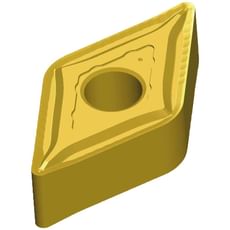
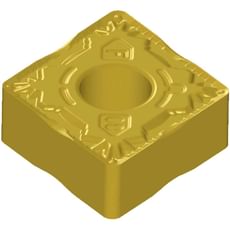
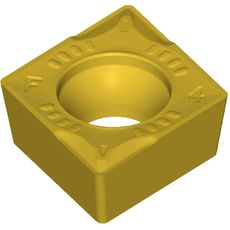
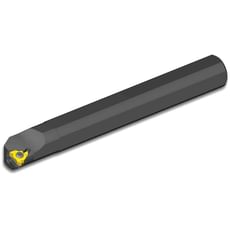
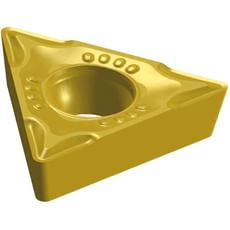
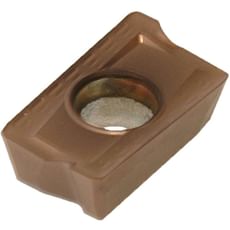
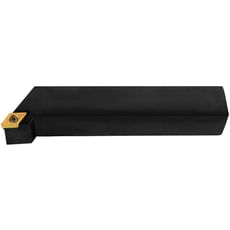
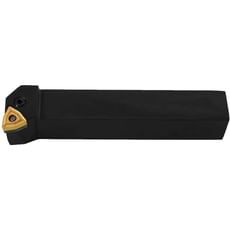
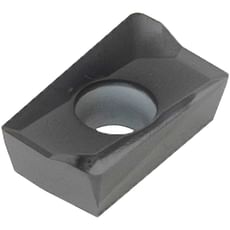
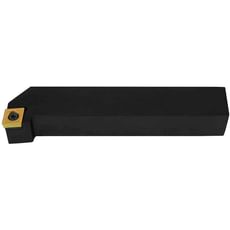
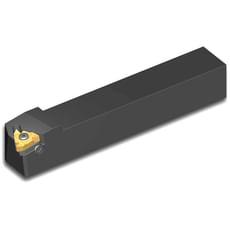
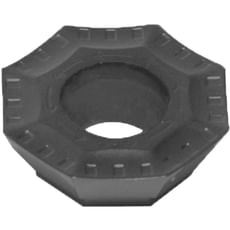
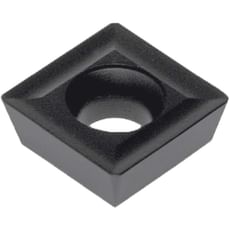
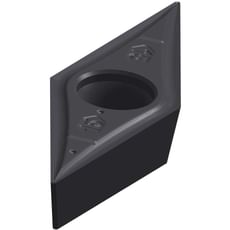
Turning tools are precision cutting instruments designed for use with lathes, enabling machinists and metalworkers to shape, cut, and finish cylindrical workpieces with accuracy and consistency. These essential workshop tools consist of two primary components: the tool holder, which secures the cutting implement and provides stability during operation, and the insert, which is the replaceable cutting edge that performs the actual material removal. This modular design allows operators to quickly change cutting edges without replacing the entire tool assembly, making turning operations both economical and efficient.
The range at Tooled-Up.com includes both holders and inserts to suit various lathe operations, from external turning and facing to internal boring and threading. Modern turning tools typically feature carbide inserts, which offer exceptional wear resistance and maintain their cutting edge at high speeds and temperatures. Whether working with mild steel, stainless steel, aluminium, or more exotic materials, selecting the correct combination of holder geometry and insert grade is crucial for achieving optimal surface finish, dimensional accuracy, and tool life.
Professional turning tools are manufactured to exacting standards, with holder dimensions and insert pocket geometries conforming to ISO specifications. This standardisation ensures compatibility across different manufacturers and allows machinists to build versatile tool setups. From light finishing cuts requiring minimal material removal to heavy roughing operations that demand robust tool construction, the correct turning tool selection directly impacts productivity, component quality, and overall machining costs.
Jargon Buster
- Insert Grade: The specific carbide composition and coating applied to an insert, optimised for particular workpiece materials and cutting conditions. Harder grades suit finishing operations, whilst tougher grades withstand interrupted cuts and heavy feeds.
- Tool Nose Radius: The curved profile at the cutting tip of an insert, measured in millimetres or fractions of millimetres. Larger nose radii produce better surface finishes but require more rigid setups, whilst smaller radii suit profiling and grooving operations.
- Positive vs Negative Rake: Rake angle describes the orientation of the cutting edge relative to the workpiece. Positive rake tools cut more freely with less force, ideal for softer materials and less rigid setups. Negative rake tools offer stronger cutting edges for heavy-duty applications.
- Chipbreaker Geometry: Designed features on the insert surface that control chip formation and evacuation. Proper chipbreaker selection prevents long, stringy chips that can tangle around the workpiece or damage surface finishes.
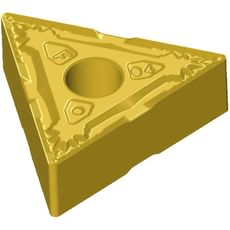
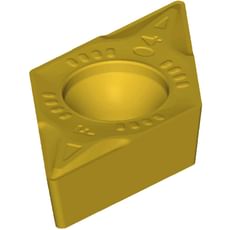
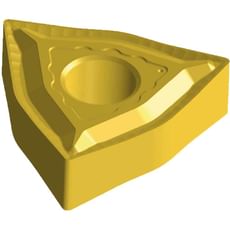
- CNMG, DCMT, WNMG: ISO designation codes that define insert shape, clearance angle, tolerance class, and other critical specifications. Understanding these codes enables quick identification of compatible inserts and holders.
- Approach Angle: The angle at which the cutting edge enters the workpiece, influenced by holder design. This affects cutting forces, chip thickness, and the tool's suitability for different turning operations.
Who Uses Turning Tools?
- CNC Machinists: Operating computer-controlled lathes in production environments requiring consistent, repeatable results across multiple components
- Manual Lathe Operators: Skilled tradespeople working with centre lathes and older machinery in maintenance workshops and small batch production
- Tool and Die Makers: Precision engineers creating tooling, jigs, and fixtures requiring tight tolerances and specialist materials
- Maintenance Engineers: Workshop staff in manufacturing facilities who machine replacement parts and repair components
- Model Engineers: Hobbyists and enthusiasts working on smaller lathes, creating scale models and one-off projects
- Agricultural and Plant Engineers: Maintenance teams who manufacture or refurbish parts for agricultural machinery and industrial equipment
- Automotive Machinists: Specialists rebuilding engines, modifying components, and creating custom automotive parts
- Apprentices and Trainees: Students learning fundamental machining skills in colleges, training centres, and on-the-job programmes
How to Choose the Right Turning Tools
Selecting appropriate turning tools begins with understanding your lathe specifications and the materials you'll be machining. Check your lathe's tool post dimensions to ensure holder compatibility, and consider the maximum spindle speed and available motor power, as these factors determine suitable cutting parameters. Tooled-Up stocks holders in various shank sizes, with metric dimensions being standard for modern lathes.
Insert selection depends primarily on workpiece material. Uncoated carbide inserts suit non-ferrous metals like aluminium and brass, whilst coated inserts with TiN, TiCN, or AlTiN coatings provide enhanced wear resistance when machining steel and stainless steel. Consider the operation type: external turning requires different insert geometries compared to boring or facing operations. The nose radius affects surface finish, with larger radii producing smoother results but demanding more rigid machine setups.
For general workshop use, indexable insert systems offer the best value, as worn cutting edges can be rotated to expose fresh corners before eventual replacement. The initial investment in quality holders pays dividends through extended service life and consistent performance. Consider starting with versatile CNMG-style inserts for external turning, as these rhombic-shaped inserts offer multiple cutting edges and suit a wide range of applications.
Feed rate, depth of cut, and cutting speed all influence tool choice. Heavy roughing operations benefit from robust negative rake holders with tough insert grades, whilst finishing cuts require sharp positive rake geometries and harder insert grades that maintain edge sharpness. Always consult manufacturer cutting data for recommended parameters specific to your workpiece material and insert grade combination.
Popular Accessories
- Torx Wrenches and Screwdrivers: For secure tightening of insert clamping screws to manufacturer-specified torque values
- Insert Storage Cases: Organised storage solutions protecting inserts from damage and contaminating debris
- Cutting Fluids and Coolants: Essential for heat dissipation, chip evacuation, and extending tool life during machining operations
- Tool Post Systems: Quick-change tool posts allowing rapid tool changes and precise height adjustment
- Boring Bars: Specialised holders for internal turning operations in pre-drilled holes
- Threading Tools: Dedicated holders and inserts for cutting metric and imperial screw threads
- Parting and Grooving Tools: Purpose-designed tools for cutting components from bar stock and machining grooves
- Chip Brushes and Cleaning Tools: Workshop essentials for removing swarf and maintaining clean work areas
- Digital Callipers and Micrometers: Precision measuring instruments for verifying component dimensions
Safety Information
Operating lathes with turning tools presents several hazards that require careful management. Always ensure workpieces are securely chucked before starting the lathe, and never attempt to measure or adjust components whilst the machine is running. Long hair must be tied back, and loose clothing, jewellery, and gloves should never be worn when operating rotating machinery, as entanglement can result in severe injury.
Sharp carbide inserts can cause cuts during handling and tool changes. Always handle inserts carefully, and dispose of worn cutting edges safely in designated sharps containers. When tightening insert screws, avoid over-torquing, which can crack carbide, and ensure screws are adequately tight to prevent insert movement during cutting, which creates dangerous projectile risks.
Flying chips present eye hazards, making safety glasses or face shields mandatory when operating lathes. Long, stringy chips can be particularly dangerous, wrapping around rotating components or the operator's hands. Select appropriate chipbreaker geometries and cutting parameters to produce manageable chip forms, and never attempt to remove chips by hand whilst the lathe is running—use a chip hook or brush instead.
The HSE provides guidance on safe operation of machine tools, emphasising proper training, machine guarding, and emergency stop accessibility. Ensure adequate lighting in the workshop, maintain clear floor areas free from trip hazards, and never leave chuck keys in the chuck. When working with cutting fluids, be aware of COSHH regulations regarding skin contact and inhalation of mist, using appropriate protective equipment and ventilation as necessary.
Frequently Asked Questions
What's the difference between positive and negative insert holders?
Positive holders position the insert at a positive rake angle, creating a sharper cutting action that requires less cutting force and suits lighter machinery or softer materials. Negative holders mount inserts at a negative rake angle, providing a stronger cutting edge that withstands heavier cuts and interrupted machining, though requiring more power. Negative inserts can be flipped over to use both top and bottom edges, effectively doubling the available cutting corners.
How many times can I rotate an indexable insert before replacement?
Most indexable inserts feature multiple cutting edges—typically 4 corners for square inserts, 3 for triangular, and 2 usable edges for rhombic shapes like CNMG. Each corner can be rotated into cutting position when the previous edge becomes worn. The number of uses per corner depends on material, cutting parameters, and required surface finish, but most inserts can be indexed at least once per corner before replacement becomes necessary.
Why do my carbide inserts keep chipping or breaking?
Insert breakage typically results from incorrect grade selection, excessive cutting parameters, or inadequate machine rigidity. Hard insert grades suited for finishing operations will chip under heavy roughing loads, whilst interrupted cuts demand tougher grades with greater impact resistance. Ensure your lathe is properly maintained with minimal spindle play, the workpiece is rigidly supported, and cutting speeds and feeds match the manufacturer's recommendations for your specific material and insert combination.
Can I use the same turning tools for steel and aluminium?
Whilst physically possible, optimal results require different approaches. Aluminium machines best with sharp, polished cutting edges and high cutting speeds, often using uncoated carbide or specially polished inserts to prevent material adhesion. Steel typically requires coated inserts for wear resistance and lower cutting speeds. Using steel-optimised tooling on aluminium often results in poor surface finish and built-up edge, whilst aluminium tooling wears rapidly on ferrous materials.
What holder shank size does my lathe require?
Tool holder shank dimensions must match your lathe's tool post capacity. Common metric sizes include 12mm, 16mm, 20mm, and 25mm square shanks, whilst imperial lathes use 1/2", 5/8", 3/4", and 1" sizes. Check your lathe manual or measure your existing tool holders to determine the correct size. The holder shank should fit snugly in the tool post with the cutting edge at the correct centre height for your lathe's spindle centreline.