

Tyre Levers

Pay in 3 interest-free payments on purchases from £20-£3000 with  . Learn more.
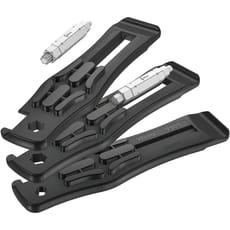
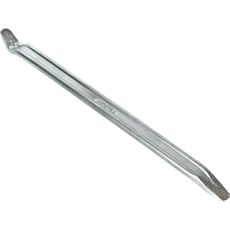
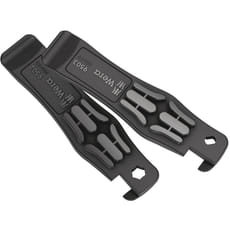
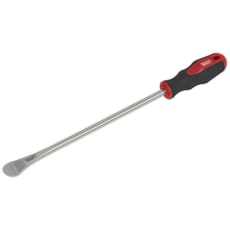
 Loading...
End of content
Error - No more pages to load
About Tyre Levers
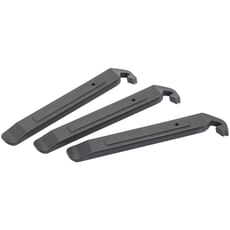
Tyre levers are essential tools designed to help remove and refit tyres from wheel rims without damaging either component. Whether you're working on bicycles, motorcycles, or other wheeled equipment, these simple yet indispensable implements make tyre changes significantly easier by providing the mechanical advantage needed to pry stubborn tyre beads away from the rim edge. The range at Tooled-Up.com includes levers crafted from durable materials such as reinforced nylon, chrome-plated steel, and hardened alloys, each offering distinct advantages for different applications and vehicle types.
Modern tyre levers feature ergonomic designs with smooth, rounded edges that slide between the tyre bead and rim without scratching delicate wheel finishes or puncturing inner tubes. Professional-grade models often incorporate additional features such as spoke hooks to secure the lever in place whilst working around the wheel, or dual-function designs that combine tyre removal capabilities with other useful tools. From basic three-piece bicycle tyre lever sets perfect for roadside repairs to heavy-duty motorcycle levers capable of handling stiff, reinforced tyres, these tools are engineered to make what can be a frustrating manual task considerably more manageable.
Quality tyre levers represent a worthwhile investment for anyone who regularly maintains their own vehicles or works professionally in cycle shops, motorcycle workshops, or general mechanical environments. Tooled-Up stocks trusted brands including Wera, Draper, Faithfull, and Sealey, ensuring that both DIY enthusiasts and professional mechanics have access to reliable tools that withstand repeated use without bending, breaking, or wearing excessively.
Jargon Buster
- Tyre Bead
- The reinforced inner edge of a tyre that sits tightly against the wheel rim to create an airtight seal. Tyre levers work by lifting this bead over the rim edge during removal or installation.
- Rim
- The outer circular component of a wheel onto which the tyre is mounted. Rims can be constructed from steel, aluminium alloy, or carbon fibre, with varying degrees of scratch resistance.
- Spoke Hook
- A notch or hook feature on a tyre lever that catches onto a wheel spoke, anchoring the lever in place whilst you work around the circumference with additional levers.
- Reinforced Nylon
- A composite plastic material commonly used in bicycle tyre levers that offers excellent strength-to-weight ratio whilst being gentle on wheel finishes and less likely to puncture tubes.
- Chrome Plating
- A protective metallic coating applied to steel tyre levers that provides corrosion resistance and a smooth surface that slides easily between tyre and rim.
- Tyre Bead Jack
- The angled or wedged portion of a tyre lever specifically designed to create initial separation between the tyre bead and rim, requiring less force than prying with a straight edge.
Who Uses Tyre Levers?
- Bicycle mechanics working in professional cycle shops or mobile repair services
- Motorcycle technicians in dealerships, independent garages, and MOT centres
- Cycling enthusiasts who perform their own maintenance and roadside repairs
- Mountain bikers and road cyclists carrying emergency repair kits during rides
- Motorcycle owners maintaining their own bikes at home
- Agricultural mechanics servicing wheelbarrow, trailer, and light equipment tyres
- Garden machinery repair specialists working on mowers, cultivators, and wheelbarrows
- Mobility scooter technicians maintaining and repairing wheelchair and scooter tyres
- Hire centres and rental shops servicing bicycles, motorcycles, and powered equipment
- Facilities maintenance teams responsible for site vehicles and equipment upkeep
How to Choose the Right Tyre Levers
Vehicle Type: Match your tyre levers to the application. Lightweight reinforced nylon levers work perfectly for bicycle tyres but lack the strength required for stiff motorcycle tyres. Heavy-duty steel or alloy levers are necessary for motorcycles and larger wheeled equipment where tyre beads are considerably tighter and more resistant to removal.
Material Construction: Nylon and composite levers offer the advantage of being gentle on wheel rims and virtually eliminating the risk of puncturing inner tubes during use. Metal levers provide superior strength and durability for stubborn tyres but require more careful technique to avoid damaging components. Chrome-plated steel combines strength with smooth operation and corrosion resistance.
Length and Leverage: Longer levers provide greater mechanical advantage, requiring less force to lift stubborn tyre beads. However, excessively long levers can be unwieldy in tight spaces. Consider where you'll be working—workshop environments accommodate longer tools, whilst portable repair kits benefit from compact designs that fit easily in saddlebags or tool rolls.
Set Size: Most bicycle tyre changes require two or three levers used simultaneously. Sets of three are standard for bicycle applications, whilst motorcycle work often requires just one or two heavy-duty levers due to their greater individual strength. Multi-piece sets from brands like Wera available at Tooled-Up.com offer versatility for various tyre types and removal scenarios.
Additional Features: Look for spoke hooks if you frequently work alone, as these allow you to secure one lever whilst manipulating others around the wheel. Some sets include integrated tools such as valve core removers or patch kit storage, consolidating your repair kit. Ergonomic handles with textured grips reduce hand fatigue during difficult tyre changes.
Portability Requirements: If you need tyre levers for emergency roadside repairs during cycling or motorcycling, prioritise compact, lightweight designs that won't add significant weight to your kit. Workshop-based professionals can opt for heavier, more robust tools that remain permanently in the workspace.
Popular Accessories
- Puncture repair kits containing patches, adhesive, and sandpaper for tube repairs
- Hand pumps and CO2 inflators for reinflating tyres after fitting
- Tyre pressure gauges to ensure correct inflation after installation
- Valve core tools for removing and installing Presta and Schrader valve cores
- Rim tape to protect inner tubes from spoke holes and sharp edges
- Tyre sealant for tubeless tyre systems and puncture prevention
- Chain breakers and multi-tools to complement bicycle repair capabilities
- Bead seating lubricant to ease tyre installation on stubborn rims
- Work stands and wheel truing stands for professional workshop environments
- Tool rolls and storage bags to organise and transport tyre changing equipment
Safety Information
Always inspect tyre levers before use for cracks, chips, or deformation that could cause failure during operation. Damaged tools may break under load, potentially causing injury or damaging your wheel and tyre. When using metal levers, work carefully to avoid scratching wheel rims or puncturing inner tubes—maintain awareness of tube position and use smooth, controlled movements rather than excessive force.
Ensure tyres are fully deflated before attempting removal, as residual pressure can cause the tyre bead to snap unexpectedly during lever insertion, potentially causing the tool to slip and result in hand injuries. When refitting tyres, check that the inner tube (if present) is not trapped between the tyre bead and rim before inflation, as this will cause immediate puncture upon pressurisation.
Wear safety glasses when working with stiff, resistant tyres, particularly on motorcycles, as sudden tool slippage can occur. Ensure your workspace is well-lit and stable, with the wheel properly secured to prevent movement during tyre removal. Never use makeshift tools such as screwdrivers or general pry bars as tyre levers, as these lack appropriate geometry and can cause serious damage to components or personal injury.
Frequently Asked Questions
Can I use the same tyre levers for both bicycles and motorcycles?
No, bicycle and motorcycle tyres require different tools due to the significant difference in tyre stiffness and bead tightness. Bicycle tyre levers made from nylon or lightweight materials will bend or break when used on motorcycle tyres, whilst heavy motorcycle levers risk damaging delicate bicycle rims and puncturing thin inner tubes. Always select levers appropriate to your specific vehicle type.
How many tyre levers do I need for a bicycle tyre change?
Most bicycle tyre changes can be accomplished with two or three levers. You'll typically use one lever to create the initial separation between tyre bead and rim, then insert a second lever several centimetres away along the rim. For particularly tight tyres, a third lever provides additional help. Sets of three levers are standard and provide versatility for various tyre tightness levels.
Why do metal tyre levers have rounded, smooth edges?
The smooth, rounded profile allows the lever to slide between the tyre bead and rim without catching on or scratching the wheel finish. Sharp edges would gouge aluminium or carbon fibre rims and could easily puncture inner tubes. Quality metal levers feature polished or chrome-plated surfaces that glide smoothly during use whilst maintaining the strength necessary for stubborn tyres.
Can tyre levers damage my wheels?
When used correctly with appropriate technique, quality tyre levers should not damage wheels. However, metal levers can scratch or gouge soft aluminium or carbon fibre rims if used carelessly. This is why many cyclists prefer reinforced nylon levers for expensive wheelsets. Always work with controlled movements, avoid excessive force, and ensure the lever's contact points are smooth and undamaged before use.
What's the difference between budget and premium tyre levers?
Premium tyre levers from manufacturers like Wera feature superior materials that resist bending and breaking, ergonomic designs that reduce hand fatigue, and precisely engineered profiles that work more effectively with less effort. Budget options may use thinner materials prone to flexing or breaking, and often lack refinements such as spoke hooks or comfortable grip surfaces. For occasional use, budget levers suffice, but professionals and frequent users benefit significantly from investing in quality tools that withstand repeated demanding use.