

Tyre Levers

Pay in 3 interest-free payments on purchases from £20-£3000 with  . Learn more.
 Loading...
End of content
Error - No more pages to load
About Tyre Levers
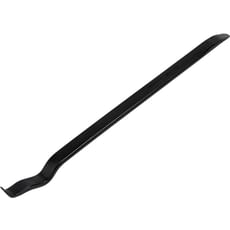
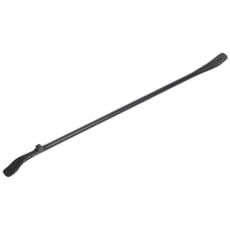
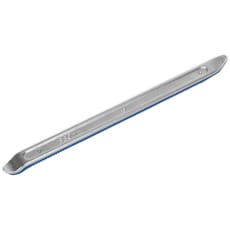
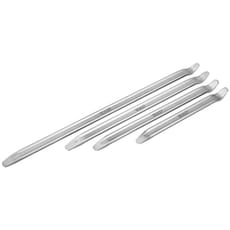
Tyre levers are indispensable hand tools that enable the removal and refitting of tyres from wheel rims without causing damage to either component. Whether you're a professional mechanic working in a busy garage, a mobile tyre fitter attending roadside call-outs, or a motorcycle enthusiast maintaining your own bike, quality tyre levers transform what can be a challenging task into a manageable one. These purposefully designed tools exploit mechanical leverage to overcome the tight seal between tyre bead and rim, allowing you to work systematically around the wheel until the tyre is completely freed.
Modern tyre levers are predominantly manufactured from hardened steel or durable composite materials, with meticulous attention given to the shape and profile of the lever ends. The finest designs incorporate smooth, rounded edges that slide between tyre and rim without risking punctures or scratching expensive alloy wheels. Professional-grade tyre levers often feature ergonomic handles for enhanced grip and comfort during extended use, whilst specialist designs may include bead depressors or rim protectors for particularly stubborn tyres.
The selection at Tooled-Up.com includes trusted brands such as Sealey, Draper, Elora, and Roughneck, offering everything from single heavy-duty levers for agricultural or commercial vehicle applications to complete multi-piece sets specifically designed for delicate motorcycle tyres. Whether you require robust workshop tools for daily professional use or reliable equipment for occasional DIY tyre changes, you'll find the appropriate solution amongst these carefully curated options.
Jargon Buster
- Bead: The reinforced inner edge of a tyre that sits in the groove of the wheel rim, creating an airtight seal. Tyre levers are designed to lift this bead over the rim edge during removal and refitting.
- Rim Protector: A protective feature or separate component that prevents the tyre lever from scratching or damaging the wheel rim surface, particularly important when working with alloy wheels.
- Spoon End: The flattened, curved working end of a tyre lever that slides between the tyre and rim. Quality spoon ends are polished smooth to prevent tyre damage.
- Bead Depressor: A notch or stepped feature on some tyre levers that helps push the opposite side of the tyre bead down into the rim well, making it easier to lift the working section over the rim edge.
- EN8 Steel: A medium carbon steel specification commonly used for tyre levers that's been hardened and tempered to provide exceptional strength and resistance to bending under significant leverage forces.
- Chrome Vanadium Steel: A high-quality alloy steel offering superior strength, durability and corrosion resistance, often used in professional-grade tyre levers for extended workshop use.
Who Uses Tyre Levers?
- Motor mechanics and automotive technicians working in garages and service centres
- Mobile tyre fitters providing roadside assistance and on-site tyre services
- Motorcycle mechanics and dealers specialising in bike maintenance and repair
- Agricultural engineers maintaining farm machinery and equipment tyres
- Plant operators and site mechanics working with construction and industrial vehicles
- Bicycle shop technicians servicing pedal cycles and e-bikes
- Motorsport teams and racing mechanics requiring quick tyre changes
- DIY enthusiasts and home mechanics performing their own vehicle maintenance
- Motorcycle enthusiasts who prefer to handle their own tyre changes
- Classic car restorers working with older vehicles and specialist tyres
How to Choose the Right Tyre Levers
Vehicle Type: Consider what you'll be working on most frequently. Motorcycle tyre levers are typically longer and more delicate than those designed for car tyres, whilst agricultural or commercial vehicle applications may require extremely robust, heavy-duty levers. Match the tool to your primary use case for optimal results.
Material Construction: Hardened steel levers offer maximum strength and durability for professional workshop environments where tools see daily use. Chrome vanadium steel provides excellent corrosion protection through chrome plating. However, composite or nylon levers can be preferable when working with easily damaged alloy wheels or when weight is a consideration for mobile work.
Set Size: Single levers are economical and sufficient for occasional use, but multi-piece sets (typically containing 3-4 levers) make the job significantly easier and faster. Professional users should consider complete sets that allow multiple levers to be positioned around the wheel simultaneously, as offered in ranges from Sealey and other manufacturers stocked by Tooled-Up.
Handle Design: Ergonomic handles with comfortable grips reduce hand fatigue during extended use and provide better control. Some designs include cushioned grips or textured surfaces that remain secure even when hands are oily – an important consideration for workshop environments.
Rim Protection Features: If you regularly work with alloy wheels or expensive rims, prioritise tyre levers with built-in rim protectors or smooth, polished working surfaces. Some premium levers include removable plastic guards for additional protection.
Length and Leverage: Longer levers (such as 450mm models) provide greater mechanical advantage, making stubborn tyres easier to remove, but can be unwieldy in confined spaces or when working with smaller wheels. Consider your typical working conditions when selecting lever length.
Popular Accessories
- Tyre bead breakers – for separating stubborn tyre beads from rims before using levers
- Rim protectors – additional guards to prevent wheel damage during tyre changes
- Tyre lubricant and mounting paste – reduces friction and makes tyre fitting easier
- Valve core removers – for deflating tyres completely before removal
- Wheel balancing weights – essential after fitting new tyres
- Tyre pressure gauges – for accurate inflation after refitting
- Puncture repair kits – for addressing inner tube or tubeless tyre damage
- Valve stems and caps – replacement components for tyre servicing
- Work gloves – protective hand wear for better grip and safety
- Wheel chocks – for safely securing vehicles during tyre changes
Safety Information
Always ensure vehicles are properly supported on axle stands or a professional lift before attempting tyre removal – never rely solely on a jack. Wear appropriate safety gloves to protect hands from sharp edges and pinch points, and safety glasses to shield eyes from debris. When using tyre levers, work carefully to avoid sudden slips that could result in hand injuries or damage to the tyre and rim.
Be aware that pressurised tyres contain significant stored energy. Always deflate tyres completely, removing the valve core if necessary, before attempting to break the bead or use tyre levers. Never attempt to work on split rim wheels or damaged rims without proper training, as these present serious injury risks. If working with particularly stubborn tyres, take regular breaks to avoid muscle strain and maintain concentration.
Store tyre levers in a secure location where the pointed or bevelled ends cannot cause injury. Keep working areas well-lit and organised to prevent trips and falls. When working in a professional environment, follow all HSE guidelines and workplace safety procedures. If you're unsure about any aspect of tyre removal or refitting, consult the vehicle manufacturer's specifications or seek guidance from an experienced technician.
Frequently Asked Questions
Can I use the same tyre levers for motorcycle and car tyres?
Whilst it's technically possible, it's not recommended. Motorcycle tyre levers are specifically designed with longer, thinner profiles suited to motorcycle wheel diameters and the softer sidewalls typical of bike tyres. Car tyre levers are generally shorter and more robust. Using motorcycle levers on car tyres risks bending or breaking the tools, whilst car levers may be too aggressive for delicate motorcycle tyres and wheels.
How do I avoid scratching alloy wheels when using tyre levers?
Choose tyre levers with smooth, polished working surfaces and built-in rim protectors. Apply tyre lubricant generously around the bead area to reduce friction. Work slowly and deliberately, ensuring the lever remains flat against the rim rather than digging into it. Consider using plastic rim protector guards as additional insurance, and never force a lever if it's not sitting correctly against the wheel.
Why do I need multiple tyre levers rather than just one?
Using multiple levers simultaneously makes tyre removal significantly easier and safer. Once you've lifted a section of the bead over the rim with one lever, you can secure it in place whilst using additional levers to work around the wheel. This prevents the already-removed section from slipping back into the rim well, which commonly happens when using a single lever. Professional mechanics typically use three or four levers for efficient, damage-free tyre changes.
What's the difference between hardened steel and chrome vanadium steel tyre levers?
Both materials provide excellent strength for tyre lever applications. Chrome vanadium steel offers superior corrosion resistance through chrome plating, making it ideal for professional workshop environments. EN8 steel that's been hardened and tempered provides exceptional durability and is often zinc plated for rust protection. Both specifications will withstand the significant leverage forces required for tyre removal without bending or deforming.
Do I need any special technique to use tyre levers safely?
The key technique is to work progressively around the wheel rather than trying to remove large sections at once. Start opposite the valve, insert the lever between tyre and rim, then lever the bead over the rim edge. Secure this lever, then position a second lever about 100-150mm along the rim and repeat. Continue working around the wheel systematically. Always push the opposite side of the tyre down into the centre well of the rim to create slack – this is essential for successful tyre removal and is where many beginners struggle.