

UPVC Cleaners

Pay in 3 interest-free payments on purchases from £20-£3000 with  . Learn more.
 Loading...
End of content
Error - No more pages to load
About UPVC Cleaners
UPVC cleaners are specialist cleaning products formulated to restore and maintain the appearance of unplasticised polyvinyl chloride (uPVC) surfaces commonly found in windows, doors, conservatories, fascias, soffits and cladding. Unlike general-purpose household cleaners, these products are specifically designed to tackle the unique challenges of uPVC maintenance, including ingrained dirt, atmospheric pollution, mould growth and weathering that can cause discolouration over time. The right uPVC cleaner will effectively remove stubborn grime and restore the original brightness of white or coloured uPVC without causing surface damage, scratching or chemical degradation of the plastic material.
Professional uPVC cleaners typically come in liquid, cream or spray formulations, each designed to penetrate dirt whilst being gentle on the polymer surface. Water-based formulations are particularly popular as they're safer to handle, produce fewer harmful fumes and are easier to rinse away completely. Many products also include protective additives that leave a barrier against future dirt accumulation and UV degradation. Whether you're maintaining residential properties, preparing homes for sale, or carrying out routine building maintenance, Tooled-Up.com stocks effective uPVC cleaning solutions from trusted brands like Ronseal that deliver professional results.
Regular cleaning with appropriate uPVC cleaners not only improves the aesthetic appeal of buildings but also extends the lifespan of uPVC installations by preventing the build-up of corrosive substances and biological growth. This preventative maintenance is considerably more cost-effective than premature replacement of discoloured or degraded uPVC components.
Jargon Buster
- uPVC (Unplasticised Polyvinyl Chloride): A rigid form of PVC plastic commonly used in window frames, door frames and exterior cladding. Unlike regular PVC, it contains no plasticisers, making it harder and more weather-resistant but also more prone to surface staining.
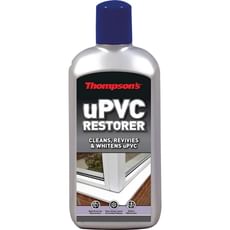
- Restorer: A type of uPVC cleaner specifically formulated to reverse discolouration and weathering, returning aged or yellowed uPVC back towards its original appearance rather than simply cleaning surface dirt.
- Water-based Formulation: Cleaning products that use water as the primary solvent rather than harsh chemicals or solvents. These are generally safer to use, easier to rinse away and less likely to damage uPVC surfaces or gaskets.
- Non-abrasive: Cleaners that remove dirt through chemical action rather than physical scrubbing particles, preventing scratches and surface damage that can make uPVC more susceptible to future staining.
- UV Degradation: The gradual breakdown and discolouration of uPVC caused by prolonged exposure to ultraviolet light from the sun, often resulting in yellowing or chalking of white surfaces.
- Ingrained Dirt: Dirt, pollution and organic matter that has penetrated into the microscopic surface texture of uPVC rather than sitting on top, requiring specialist cleaners to remove effectively.
Who Uses UPVC Cleaners?
- Window Fitters and Installers: For cleaning and finishing newly installed uPVC windows and doors, and maintaining existing installations during service visits
- Professional Window Cleaners: Offering specialist uPVC cleaning and restoration services alongside regular glass cleaning
- Property Maintenance Companies: Maintaining the exterior appearance of residential and commercial properties under management
- Estate Agents and Lettings Agencies: Improving property presentation before viewings, photography and tenancy changeovers
- Builders and General Contractors: Final cleaning of uPVC elements after construction or renovation projects
- Facility Managers: Routine maintenance of uPVC installations in commercial and public buildings
- Homeowners and DIY Enthusiasts: Maintaining and restoring the appearance of domestic uPVC windows, doors, conservatories and cladding
- Cleaning Contractors: Providing exterior building cleaning services including uPVC restoration
- Landlords: Maintaining rental properties and preparing them for new tenancies
How to Choose the Right UPVC Cleaners
When selecting a uPVC cleaner, first consider whether you need a basic surface cleaner or a more powerful restorer. Standard cleaners are suitable for regular maintenance and removing fresh dirt, whilst restorer products contain stronger active ingredients designed to reverse yellowing, remove stubborn stains and restore heavily weathered surfaces. The product descriptions at Tooled-Up will clearly indicate the cleaning power and intended application.
Formulation type is another important consideration. Liquid cleaners are versatile and economical for larger areas, whilst cream formulations often provide better cling on vertical surfaces and more controlled application. Spray products offer convenience for quick touch-ups and hard-to-reach areas. Water-based formulations are generally preferable as they're safer to handle, produce minimal odour and are less likely to damage gaskets, seals or surrounding paintwork.
Check the coverage rate provided by the manufacturer to ensure you purchase sufficient quantity for your project. A 480ml bottle may be adequate for domestic use or small jobs, but professional contractors maintaining multiple properties will require larger volumes. Consider whether the product requires dilution or is ready-to-use, as this affects both convenience and total coverage.
Safety and environmental credentials should also influence your choice. Look for products with clear COSHH information, especially if working in occupied buildings or sensitive environments. Water-based, biodegradable formulations are preferable for both user safety and environmental responsibility. Finally, consider whether the product offers any protective benefits such as UV inhibitors or dirt-repellent coatings that can extend the time between cleaning sessions.
Popular Accessories
- Microfibre Cloths: Non-abrasive cleaning cloths that won't scratch uPVC surfaces whilst effectively removing dirt and cleaning solution residue
- Soft Bristle Brushes: For working cleaner into textured surfaces and reaching into frame corners without causing scratches
- Spray Bottles: For diluting and applying liquid cleaners in a controlled manner
- Extension Poles: Enabling safe cleaning of upper-storey windows and high fascias from ground level
- Buckets and Washing-up Bowls: For mixing solutions and rinsing cloths during the cleaning process
- Protective Gloves: Chemical-resistant gloves to protect hands during prolonged contact with cleaning products
- Sponges: Non-abrasive sponges suitable for applying and working in cleaning solutions
- Ladder Stabilisers: Safety accessories for secure positioning when cleaning high-level uPVC installations
- Dust Sheets: Protecting paving, plants and garden features from cleaning solution runoff
Safety Information
Whilst modern uPVC cleaners, particularly water-based formulations, are generally safer than older solvent-based products, appropriate precautions should still be observed. Always read and follow the manufacturer's safety instructions and COSHH data provided with the product. Wear appropriate personal protective equipment including chemical-resistant gloves and eye protection, particularly when working overhead where drips may occur. Ensure adequate ventilation when working indoors or in enclosed spaces such as conservatories.
Test any uPVC cleaner on an inconspicuous area first to ensure compatibility with the specific uPVC product and any surrounding materials such as painted surfaces, aluminium trim or gaskets. Avoid contact with skin and eyes, and never mix different cleaning products as this may produce hazardous reactions. Store products securely away from children and pets, in accordance with the manufacturer's recommendations regarding temperature and conditions.
When working at height to clean upper-level uPVC installations, follow HSE guidance on working safely with ladders and consider using extension poles from ground level where practical. Protect plants, paving and garden features from cleaning solution runoff, and dispose of any waste cleaning solution responsibly in accordance with local environmental regulations.
Frequently Asked Questions
Will uPVC cleaner damage the surface of my windows or doors?
Quality uPVC cleaners formulated specifically for this purpose, such as those available from Tooled-Up, are designed to clean effectively without damaging the polymer surface. Water-based, non-abrasive formulations are particularly safe. However, avoid using general-purpose household cleaners, scouring creams or abrasive pads as these can scratch the surface and degrade the material. Always test on an inconspicuous area first, especially on coloured uPVC, and follow the manufacturer's instructions regarding application time and dilution.
Can I use uPVC cleaner on coloured or woodgrain-effect uPVC?
Most uPVC cleaners are safe for coloured and foiled uPVC products, but it's essential to check the manufacturer's guidance and test on a small hidden area first. Woodgrain foils can occasionally be more sensitive to aggressive cleaners, so use products specifically stating suitability for all uPVC finishes and avoid excessive scrubbing or prolonged contact time.
How often should I clean my uPVC windows and doors?
For general maintenance, cleaning uPVC installations two to four times per year is typically sufficient for most UK locations. Properties in coastal areas, near busy roads or in industrial environments may benefit from more frequent cleaning due to increased exposure to salt, pollution and atmospheric contaminants. Regular cleaning prevents the build-up of ingrained dirt that requires more aggressive restoration products to remove.
What's the difference between a uPVC cleaner and a restorer?
Standard uPVC cleaners remove surface dirt, grime and fresh stains through regular cleaning action. Restorer products contain more powerful active ingredients specifically designed to reverse discolouration, remove ingrained dirt and restore heavily weathered or yellowed uPVC closer to its original appearance. Use a restorer when regular cleaners no longer achieve satisfactory results, then maintain with standard cleaners.
Can uPVC cleaners remove scratches from my windows?
Chemical cleaners cannot remove physical scratches from uPVC surfaces as these represent damage to the material rather than surface contamination. However, using appropriate non-abrasive cleaners will prevent further scratching during the cleaning process. For scratched uPVC, specialist polishing compounds or professional renovation services may be required, though deep scratches in the polymer cannot be fully removed.