

Valves
Pay in 3 interest-free payments on purchases from £30-2000 with  . Learn more.

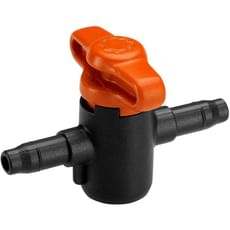
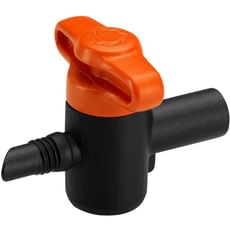
 Loading...
End of content
Error - No more pages to load
About Valves
Valves are essential control components for garden irrigation systems, allowing precise management of water flow to different zones, drip lines, and spray areas. Whether you're maintaining a domestic lawn, tending to a commercial landscape, or managing a professional horticultural installation, valves provide the control needed to optimise water distribution, conserve resources, and automate watering schedules. These specialist fittings enable users to regulate pressure, shut off individual pipelines, and create sophisticated irrigation networks that deliver water exactly where and when it's needed.
The valve selection at Tooled-Up.com encompasses a comprehensive range of irrigation control solutions, including shut-off valves for isolating specific pipeline sections, flow control valves for adjusting water delivery rates, drain valves for winterising systems, and automated 24V irrigation valves that integrate with programmable timers and controllers. Available primarily from leading garden irrigation specialists Gardena and Hozelock, these valves are designed to work seamlessly within micro drip systems, sprinkler networks, and pipeline installations, offering durability and reliable performance across domestic and professional applications.
Modern irrigation valves incorporate features such as pressure regulation to protect sensitive drip components, inline shut-off mechanisms for maintenance work, and connection systems compatible with standard 13mm (½") and 4.6mm (3/16") micro irrigation tubing. Many professional-grade valves also include weatherproof valve boxes for underground installation, connection cables for automated control, and corrosion-resistant materials that withstand continuous outdoor exposure throughout the British climate's challenging seasonal variations.
Jargon Buster
- Flow Control Valve: A valve that allows adjustment of water flow rate through a pipeline, enabling fine-tuning of irrigation delivery to match plant requirements and system capacity without complete shut-off.
- Shut-Off Valve: An isolation valve that completely stops water flow through a specific pipeline section, essential for maintenance work, system modifications, or deactivating irrigation zones without affecting the entire network.
- Drain Valve: A specialised valve designed to empty water from irrigation pipelines, protecting systems from frost damage during winter months by preventing water from freezing and splitting pipes or fittings.
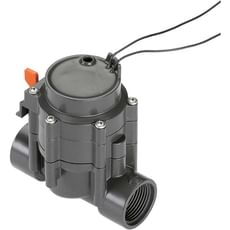
- 24V Irrigation Valve: An electrically-actuated valve controlled by low-voltage signals from programmable irrigation controllers or timers, enabling automated watering schedules and remote zone management.
- Pressure Regulator: A valve component that maintains consistent downstream water pressure regardless of supply fluctuations, protecting delicate drip emitters and spray nozzles from damage caused by excessive pressure.
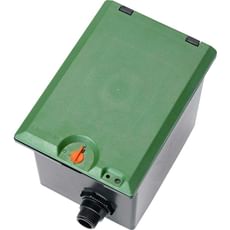
- Valve Box: A protective underground housing that shields irrigation valves from weather, physical damage, and debris whilst maintaining accessibility for adjustments and maintenance.
Who Uses Valves?
- Landscape Gardeners: Professionals installing and maintaining irrigation systems for commercial properties, public spaces, and residential gardens
- Groundskeepers: Estate managers and grounds maintenance teams responsible for sports fields, golf courses, parks, and institutional landscapes
- Horticulturists: Nursery operators, market gardeners, and plant growers requiring precise water delivery to crops and stock plants
- Garden Designers: Landscape architects specifying irrigation infrastructure for new installations and garden renovations
- Facilities Managers: Property maintenance professionals overseeing irrigation systems for commercial premises, hotels, and public buildings
- Allotment Holders: Keen vegetable growers implementing efficient watering systems for productive growing spaces
- Homeowners: DIY enthusiasts installing automated garden irrigation to maintain lawns, borders, greenhouses, and vegetable plots
How to Choose the Right Valves
Selecting appropriate valves depends on your irrigation system type and operational requirements. For micro drip systems using 4.6mm tubing, choose inline flow control valves that allow adjustment of individual drip lines whilst maintaining system pressure. If you're working with larger 13mm pipeline installations or sprinkler networks, opt for shut-off valves with threaded connections that provide complete isolation for zone control and maintenance access.
Consider whether automation suits your watering schedule. For systems requiring programmable control, 24V irrigation valves paired with compatible controllers enable timed watering cycles and multiple zone management. Browse the selection at Tooled-Up.com to find valves with appropriate voltage specifications and connection cables matched to your controller system. Manual valves remain ideal for smaller installations or situations where simple on-off control meets requirements without electronic complexity.
System protection should influence valve selection. Pressure regulating valves prevent damage to sensitive components like micro spray nozzles and drip emitters by maintaining consistent downstream pressure despite supply fluctuations. For systems exposed to winter frost, drain valves enable complete pipeline evacuation, preventing freeze damage during dormant months. Underground installations benefit from weatherproof valve boxes that protect components from moisture ingress, physical damage, and debris accumulation.
Compatibility matters significantly when expanding existing systems. Gardena and Hozelock components follow specific connection standards, so verify that valves match your current pipeline fittings, tubing diameters, and connection systems. Consider future expansion requirements—investing in quality valves with standardised connections simplifies system modifications and ensures long-term reliability across your irrigation infrastructure.
Popular Accessories
- Irrigation Controllers: Programmable timers and smart controllers for automating valve operation and watering schedules
- Connection Cables: Weather-resistant cables linking 24V valves to control units for automated systems
- Micro Drip Tubing: Supply lines and distribution pipes in 4.6mm and 13mm diameters for complete irrigation networks
- Spray Nozzles: Adjustable emitters and misting heads controlled by upstream valves for targeted water delivery
- Pipe Connectors: T-pieces, elbows, couplings, and end plugs for constructing valve-controlled pipeline networks
- Filter Units: Inline filters protecting valves and emitters from debris and sediment in water supplies
- Pressure Gauges: Diagnostic tools for monitoring system pressure and verifying regulator valve performance
- PTFE Tape: Thread sealant for threaded valve connections ensuring leak-free installations
Frequently Asked Questions
What's the difference between a shut-off valve and a flow control valve?
A shut-off valve provides simple on-off operation, completely stopping or allowing water flow through a pipeline section. A flow control valve offers variable adjustment, enabling you to regulate the volume of water passing through without complete shut-off. Flow control valves prove essential when fine-tuning drip rates or spray coverage, whilst shut-off valves excel at isolating zones for maintenance or seasonal deactivation.
Can I use standard plumbing valves for garden irrigation systems?
Whilst household plumbing valves function mechanically, irrigation-specific valves offer features tailored to garden watering systems: pressure regulation for protecting delicate emitters, materials resistant to UV degradation and outdoor weathering, and connection systems compatible with standard irrigation tubing. Dedicated irrigation valves from Gardena and Hozelock integrate seamlessly with micro drip components and sprinkler networks, ensuring reliable long-term performance.
Do 24V irrigation valves require an electrician to install?
No—24V irrigation valves operate on extra-low voltage (significantly safer than 240v mains), eliminating electrical certification requirements. These valves connect to battery-powered or plug-in irrigation controllers using simple two-wire cables with push-fit or screw terminals. Most DIY gardeners can install 24V valve systems following manufacturer instructions, though burying cables and valve boxes requires careful planning to maintain accessibility.
How do I prevent frost damage to irrigation valves over winter?
Install drain valves at low points in your irrigation system, allowing complete water evacuation before freezing temperatures arrive. Open all shut-off valves and remove any pressure from the system. For 24V automated valves, manually open solenoids to drain trapped water. Store removable valve components indoors if possible, or ensure valve boxes have adequate drainage to prevent ice accumulation around fittings.
What valve configuration works best for a multi-zone garden irrigation system?
A master shut-off valve controlling the main supply line, combined with individual 24V zone valves for each watering area, provides maximum flexibility. This configuration enables independent scheduling for lawn, border, vegetable, and greenhouse zones with different watering requirements. Include pressure regulators after zone valves when mixing high-pressure sprinklers with low-pressure drip systems, and position drain valves at the system's lowest points for winterisation.