

Vehicle Repairs & Servicing

Pay in 3 interest-free payments on purchases from £20-£3000 with  . Learn more.



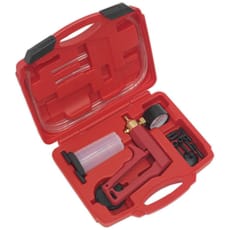

Loading...
End of content
Error - No more pages to load
About Vehicle Repairs & Servicing
Modern vehicle maintenance demands precision tools that enable mechanics and technicians to service increasingly complex automotive systems safely and to professional standards. From routine brake pad replacements and oil changes to intricate timing belt installations and diesel injector work, having the correct specialist equipment is fundamental to quality repairs and customer satisfaction. The range of vehicle repair and servicing tools available from Tooled-Up.com encompasses everything required for comprehensive automotive maintenance, covering both petrol and diesel engines across passenger cars, light commercial vehicles and fleet applications.
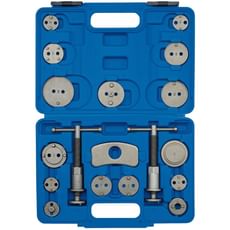
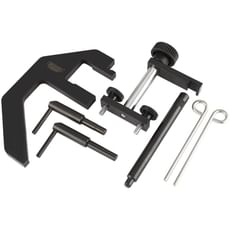
Contemporary vehicles feature sophisticated engine management systems, high-pressure fuel injection and tight manufacturing tolerances that require purpose-designed tools rather than improvised solutions. Timing lock sets prevent catastrophic valve-to-piston contact during cambelt replacement, brake calliper wind-back tools accommodate electronic parking brake systems, and injector pullers extract seized diesel injectors without damaging cylinder heads. This category brings together the manufacturer-specific and universal tools essential for professional workshops, mobile mechanics and serious automotive enthusiasts undertaking their own maintenance.
Quality vehicle servicing equipment delivers tangible benefits beyond completing individual jobs. Professional-grade tools withstand the rigours of daily workshop use whilst maintaining accuracy, reduce the risk of component damage that leads to costly comebacks, and ensure repairs meet manufacturer specifications and MOT testing standards. Whether you're establishing a new workshop, expanding existing capabilities or replacing worn tools, investing in reliable equipment from established brands like Laser Tools, Sealey and Draper improves productivity and builds the foundation for consistent, professional results.
Jargon Buster
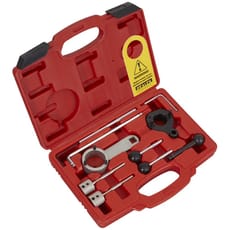
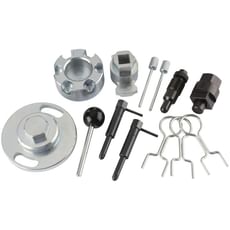
- Timing Lock Set: Vehicle-specific tools designed to lock the camshaft, crankshaft and flywheel in precise alignment when replacing timing belts or chains, preventing valve-to-piston contact and ensuring accurate engine timing according to manufacturer specifications.
- Brake Calliper Wind-Back Tool: A device used to retract brake pistons when fitting new pads, accommodating both screw-type and push-type calliper mechanisms including electronic parking brake systems found on modern vehicles.
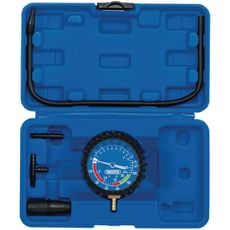
- Compression Tester: Diagnostic equipment that measures cylinder pressure to assess engine condition, identify worn piston rings, valve problems or head gasket failures by comparing readings across all cylinders against manufacturer specifications.
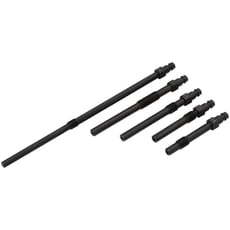
- Injector Puller: Specialised tool for safely removing stubborn fuel injectors, particularly on diesel engines where carbon build-up causes them to seize in the cylinder head, allowing extraction without damaging threads or injector seats.
- Harmonic Balancer Puller: A tool designed to remove the crankshaft pulley (harmonic balancer) without damaging the crankshaft nose, essential for timing belt replacement, front crankshaft seal work and auxiliary belt system access.
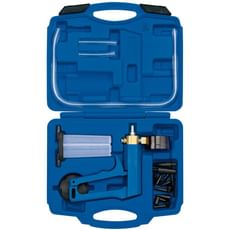
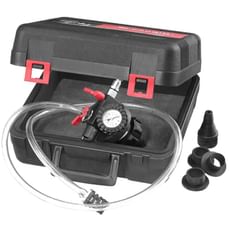
- Coolant Pressure Tester: Equipment that pressurises the cooling system to identify leaks in radiators, hoses, water pumps and head gaskets before they cause overheating or serious engine damage during operation.
Who Uses Vehicle Repairs & Servicing?
- Professional Motor Mechanics: Workshop-based technicians carrying out general repairs, routine servicing and MOT preparation work across various vehicle makes
- Mobile Mechanics: Tradespeople providing on-site vehicle repairs and maintenance at customers' homes, workplaces or roadside locations
- Fleet Maintenance Engineers: Specialists responsible for maintaining commercial vehicle fleets, delivery vans, HGVs and company car pools
- MOT Testers: Qualified technicians conducting vehicle safety inspections and performing related repair work to meet testing standards
- Agricultural Mechanics: Engineers servicing tractors, combine harvesters and farm machinery with similar engine systems and components
- Plant Mechanics: Technicians maintaining construction equipment, excavators, telehandlers and site vehicles
- Automotive Enthusiasts: DIY mechanics working on their own vehicles, undertaking classic car restoration or performance modifications
- Garage Owners: Business operators equipping workshops with comprehensive tool sets for diverse repair work and multiple vehicle makes
- Vehicle Modification Specialists: Technicians carrying out engine tuning, turbocharger installations and performance upgrades
How to Choose the Right Vehicle Repairs & Servicing
Selecting appropriate vehicle repair tools begins with understanding the types of vehicles you regularly service. Timing tools are almost always manufacturer-specific—a timing lock set for VAG group vehicles won't work on Ford, BMW or Renault engines due to unique engine designs and locking pin dimensions. If you specialise in particular makes, invest in dedicated manufacturer-specific tool kits. For workshops handling varied vehicles, prioritise the most common makes in your area and build your collection gradually, as the cost of dealer tool hire for individual jobs quickly exceeds ownership costs.
Build quality significantly affects tool longevity and performance, particularly for items subjected to high torque or regular use. Look for chrome vanadium or chrome molybdenum construction in sockets and spanners, hardened steel in pullers and extractors, and robust storage cases that protect precision components during transportation and storage. Tools from established brands typically offer superior metallurgy and tighter manufacturing tolerances than budget alternatives, reducing replacement costs and the risk of fastener damage or tool failure during critical jobs.
Consider whether comprehensive tool sets or individual specialist items better suit your requirements and budget. Complete kits provide excellent value when establishing a workshop or expanding capabilities into new areas like diesel servicing or timing work, whilst individual tools make sense for specific one-off requirements. Check that equipment meets relevant British and European standards—particularly important for torque wrenches, pressure testing equipment and hydraulic tools where accuracy directly affects safety and repair quality.
Storage and organisation deserve careful consideration, especially for mobile mechanics. Foam-lined cases keep tools protected during transit and make missing items immediately obvious before leaving site. Modular storage systems like Milwaukee PACKOUT, DeWalt TSTAK or Makita MakPac offer secure transportation whilst maintaining accessibility. Workshop-based mechanics might prefer drawer inserts, shadow board systems or wall-mounted storage that maximises bench space and improves workflow efficiency during busy periods.
Popular Accessories
- Torque Wrenches: Essential for achieving manufacturer-specified tightening values on critical fasteners including cylinder head bolts, wheel nuts and suspension components
- Oil Drain Pans & Fluid Extractors: Collect waste oil, coolant and other fluids safely whilst meeting environmental regulations and COSHH requirements
- Work Lights & Inspection Lamps: LED rechargeable lights from brands like Makita and Milwaukee providing illumination in engine bays and under vehicles
- Diagnostic Code Readers: OBD scanners for identifying fault codes, monitoring live engine data and resetting service indicators
- Grease Guns: For lubricating suspension joints, driveshaft splines and steering components during servicing intervals
- Thread Repair Kits: Helicoil and thread chaser sets for repairing damaged spark plug holes, sump plug threads and bolt holes
- Parts Cleaning Brushes: Wire brushes, parts washers and cleaning solutions for removing carbon deposits, oil contamination and corrosion
- Magnetic Trays & Parts Organisers: Prevent small fasteners, clips and components from getting lost during dismantling and reassembly
- Mechanic's Gloves: Protective yet dexterous gloves from brands like Portwest, Scruffs and DeWalt for handling sharp components and hot parts
- Axle Stands & Jacks: Essential lifting equipment meeting EN1494 standards for safe vehicle access during maintenance work
Safety Information
Vehicle repair work presents numerous hazards requiring appropriate precautions and personal protective equipment. Always use properly rated axle stands conforming to EN1494 standards—never rely solely on hydraulic jacks—and ensure vehicles are positioned on level, solid ground before working beneath them. Wear safety glasses meeting EN166 standards when working under vehicles or using tools that may cause debris, rust particles or fluid spray. Use nitrile gloves when handling oils, coolants and other automotive chemicals to comply with COSHH regulations and prevent skin irritation or absorption of harmful substances.
When working with fuel systems, ensure adequate ventilation and eliminate all ignition sources including cigarettes, naked flames and electrical equipment that may produce sparks. Diesel and petrol vapours are highly flammable and heavier than air, accumulating in inspection pits and low areas. Pressurised fuel systems, particularly modern high-pressure diesel systems, require careful depressurisation before disconnecting components. Cooling systems also retain pressure and extremely high temperatures—allow engines to cool completely before removing radiator caps or hoses to prevent serious scalding injuries from pressurised coolant.
Exercise particular caution with timing tools and engine rotation procedures. Never rotate engines in the wrong direction, and always follow manufacturer procedures precisely when locking timing components and installing belts or chains. Incorrectly set valve timing can result in catastrophic engine damage costing thousands of pounds when the engine is started. When using pullers, extractors and hydraulic tools, ensure components are properly aligned and supported—sudden releases under tension can cause serious injury. Consult HSE guidelines for garage and workshop safety, ensure all lifting equipment receives regular inspection according to LOLER regulations, and maintain appropriate insurance coverage for professional repair work.
Frequently Asked Questions
Do I need vehicle-specific timing tools or will universal sets work?
Timing tools are almost always vehicle-specific due to unique engine designs and component dimensions. Whilst some universal components like dial gauges may work across different makes, locking pins, holding tools and camshaft alignment equipment typically require manufacturer-specific dimensions and configurations. Check compatibility carefully before purchasing, as using incorrect timing tools risks catastrophic engine damage costing thousands in repairs. If you service multiple vehicle makes regularly, building a collection of specific tool sets proves more cost-effective than repeatedly hiring dealer tools for individual jobs. The range at Tooled-Up includes manufacturer-specific kits covering popular makes including VAG, Ford, BMW, Renault and PSA group vehicles.
What's the difference between petrol and diesel engine tools?
Whilst many tools work for both engine types, diesel engines often require specialised equipment due to higher compression ratios, different fuel injection systems and specific maintenance requirements. Diesel-specific tools include injector pullers for removing seized injectors, glow plug removal sets with flexible drive adapters, DPF cleaning equipment for particulate filter maintenance, and high-pressure fuel system tools. Diesel engines also typically need heavier-duty compression testers rated for pressures exceeding 35 bar. Petrol engines require spark plug sockets with rubber inserts, ignition coil pullers, and specific fuel pressure testing equipment for port or direct injection systems operating at different pressures than diesel systems.
Can I use impact tools on engine components?
Impact wrenches excel for wheel nuts, suspension work and chassis fasteners but exercise considerable caution with engine components. Crankshaft pulleys, flywheel bolts, cylinder head fasteners and main bearing caps often require precise torque values and controlled tightening sequences in multiple stages that impact tools cannot provide. Aluminium components including oil pans, timing covers, cylinder heads and intake manifolds are particularly vulnerable to over-tightening, thread stripping and component distortion. Reserve impact tools for appropriate applications like wheel removal and suspension dismantling, and always finish critical engine fasteners with a calibrated torque wrench to exact manufacturer specifications to prevent costly damage or comeback work.
How often should I calibrate my torque wrench?
Professional mechanics working daily should calibrate torque wrenches annually or after approximately 5,000 cycles, whichever occurs first, to maintain accuracy within acceptable tolerances. DIY users with occasional use may extend calibration intervals to every 2-3 years depending on frequency. However, if a torque wrench is dropped, over-torqued beyond its maximum setting, used as a breaker bar, or produces inconsistent results, immediate calibration or replacement is necessary. Always store torque wrenches at their lowest setting to prevent spring fatigue and maintain accuracy, keep calibration certificates for professional audit purposes and insurance requirements, and replace any torque wrench that fails calibration testing or shows visible damage to the mechanism.
What safety equipment do I need for vehicle servicing work?
Essential PPE includes safety glasses or goggles meeting EN166 standards for eye protection against fluids and debris, nitrile gloves resistant to oils and chemicals, and steel-toe-cap boots meeting EN ISO 20345 standards. Work beneath vehicles requires properly rated axle stands conforming to EN1494 (never rely solely on jacks), and a mechanic's creeper improves comfort whilst reducing back strain during extended periods underneath vehicles. Keep a fire extinguisher rated for Class B flammable liquids within easy reach, ensure adequate ventilation when working with fuel systems or running engines indoors, and maintain good lighting to identify hazards and work accurately. For brake servicing, use appropriate dust masks as brake dust may contain asbestos in older vehicles or harmful copper particles in modern formulations.