

Vibrating Pokers
Pay in 3 interest-free payments on purchases from £30-2000 with  . Learn more.
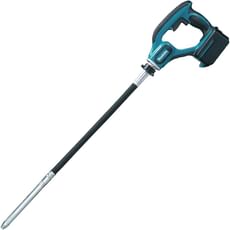
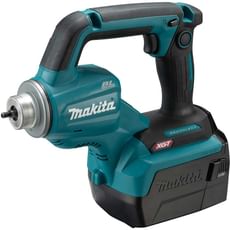
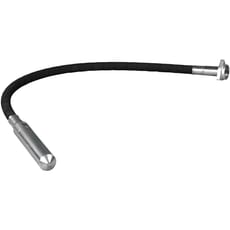
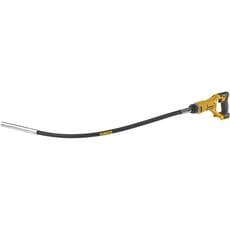
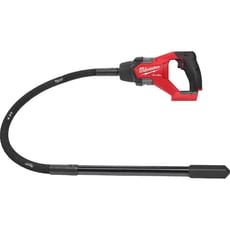
Milwaukee M18 FCVN12 Fuel 18v Cordless Brushless Needle Concrete Vibrator
available
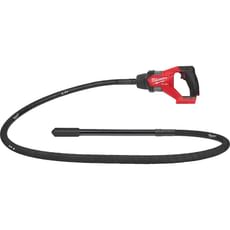
Milwaukee M18 FCVN24 Fuel 18v Cordless Brushless Needle Concrete Vibrator
available
 Loading...
End of content
Error - No more pages to load
About Vibrating Pokers
Vibrating pokers, also known as concrete vibrators or needle vibrators, are specialised power tools designed to consolidate freshly poured concrete by removing trapped air pockets and excess water. By inserting the vibrating poker head into wet concrete and allowing high-frequency vibrations to work through the mix, these essential construction tools ensure a dense, uniform finish free from voids and honeycomb defects. This consolidation process significantly improves the structural integrity, durability and surface finish of concrete work, making vibrating pokers indispensable for professional construction projects and demanding DIY applications including foundations, slabs, columns and beams.
Modern vibrating pokers available at Tooled-Up.com are predominantly cordless battery-operated models, with leading manufacturers like Makita, Milwaukee and DeWalt offering advanced 18v and 40v platforms that deliver the power and runtime required for site work without the constraints of cables or generators. These professional-grade tools feature brushless motor technology for enhanced efficiency and durability, with interchangeable poker heads of various diameters and lengths to suit different concrete depths and applications. The Makita VR001G 40v XGT system represents the cutting edge of cordless concrete vibration technology, whilst 18v models from Milwaukee's M18 Fuel range and DeWalt's XR platform provide excellent performance for most professional applications.
The shift towards cordless technology has revolutionised concrete vibration work, allowing tradespeople to move freely around formwork and access awkward areas without trailing 240v cables. Battery-powered vibrating pokers now offer comparable performance to their corded predecessors whilst providing the flexibility and safety benefits that modern construction sites demand, particularly where trip hazards and electrical safety are paramount concerns. With vibration frequencies typically ranging from 12,000 to 15,000 vibrations per minute (VPM), these tools rapidly consolidate concrete to professional standards across residential, commercial and civil engineering projects.
Jargon Buster
- Concrete Poker Head: The vibrating probe or needle that is inserted into wet concrete. Available in various diameters (typically 25mm to 50mm) and lengths to suit different pour depths and concrete consistencies. Smaller diameter heads suit heavily reinforced sections, whilst larger diameters work more efficiently in deep pours.
- Vibrations Per Minute (VPM): The frequency at which the poker head oscillates, typically ranging from 10,000 to 15,000 VPM. Higher frequencies are generally more effective for consolidating concrete and removing trapped air, with professional-grade models operating at 12,000 VPM or above.
- Brushless Motor: An advanced motor design that eliminates carbon brushes, resulting in improved efficiency, longer runtime, reduced maintenance requirements and extended tool lifespan compared to traditional brushed motors. All professional cordless vibrating pokers now utilise brushless technology.
- Flexible Shaft: An accessory attachment that allows the poker head to reach into confined spaces, around reinforcement bars and into awkward formwork positions whilst keeping the power unit at a comfortable working distance. Essential for complex structural work with dense rebar configurations.
- XGT/XR Technology: Manufacturer-specific designations for next-generation battery platforms offering higher voltage (40v for Makita XGT, enhanced performance for DeWalt XR) for increased power output and extended runtime on demanding applications.
- Consolidation: The process of compacting freshly poured concrete to eliminate air voids, improve density and ensure proper adhesion around reinforcement bars, resulting in stronger, more durable concrete structures that meet structural engineering specifications.
Who Uses Vibrating Pokers?
Vibrating pokers are utilised by a wide range of construction professionals and serious DIY enthusiasts:
- Concrete Contractors: Specialists who pour foundations, slabs and structural elements requiring professional-grade consolidation equipment for consistent, high-quality results that meet building regulations
- General Builders: Tradespeople working on residential and commercial construction projects involving concrete pours for extensions, garages, driveways and structural repairs
- Civil Engineering Contractors: Professionals involved in infrastructure projects, bridge construction and large-scale concrete structures where proper consolidation is critical for long-term structural integrity
- Groundworkers: Specialists handling foundations, footings and below-ground concrete work requiring thorough vibration to prevent future structural issues and ensure proper compaction
- Self-Builders: Homeowners undertaking significant construction projects such as building their own homes, workshops or substantial outbuildings where quality concrete work is essential
- Agricultural Contractors: Farmers and agricultural builders constructing silage pits, livestock housing foundations, yard areas and other farm infrastructure requiring durable concrete work
- Precast Concrete Manufacturers: Companies producing concrete components in moulds where thorough consolidation ensures consistent quality and eliminates surface defects that would compromise structural or aesthetic standards
How to Choose the Right Vibrating Pokers
Selecting the appropriate vibrating poker depends on several key factors that match the tool to your specific concrete work requirements:
Power Source and Voltage: Cordless models offer the greatest flexibility for site work, with 18v platforms from Milwaukee, DeWalt and Makita providing excellent performance for most applications. The selection at Tooled-Up includes models like the DeWalt DCE531 XR and Milwaukee M18 FCVN, which deliver professional results across typical concrete pours. For heavy-duty professional use or continuous operation, consider 40v XGT systems like the Makita VR001G, which deliver superior power and extended runtime. If you're already invested in a particular battery platform, choosing a compatible vibrating poker maximises your existing battery collection's utility and eliminates the need for multiple charging systems.
Poker Head Diameter and Length: The poker diameter should be matched to your typical concrete pour depth and aggregate size. As a general rule, the poker diameter should be at least three times the maximum aggregate size for effective consolidation. Smaller diameter needles (25-30mm) suit shallow pours and reaching between reinforcement bars, whilst larger diameters (40-50mm) work more efficiently in deeper pours and larger volume applications. Models like the Milwaukee M18 FCVN12 (12mm head) and M18 FCVN24 (24mm head) demonstrate the range available. Consider whether you need multiple poker heads or interchangeable options for varied work.
Vibration Frequency: Higher VPM ratings generally provide more effective consolidation, particularly important for structural concrete work. Professional-grade models typically offer 12,000-15,000 VPM, ensuring rapid air removal and thorough compaction even in stiff concrete mixes. The DeWalt DCE531, for example, operates at 15,000 VPM for excellent consolidation performance.
Flexible Shaft Availability: If your work involves complex formwork, densely reinforced sections or awkward access positions, ensure your chosen system offers compatible flexible shaft accessories. Makita offers dedicated flexible shaft options for their VR001 system, which extend your reach and manoeuvrability significantly without compromising vibration transfer.
Build Quality and Durability: Concrete work is demanding and often messy. Look for sealed housings, robust construction and reputable brands with strong warranty support. Makita, Milwaukee and DeWalt all offer professional-grade tools designed to withstand the rigours of daily site use, with water-resistant components and durable poker head connections.
Battery Compatibility and Runtime: Consider the amp-hour (Ah) rating of available batteries and whether you have sufficient capacity for your typical working day. Higher Ah ratings provide longer runtime but add weight, whilst rapid charging systems minimise downtime between pours. The DeWalt DCE531 works with both standard 18v XR batteries and higher-capacity Flexvolt batteries for extended operation.
Popular Accessories
- Additional Poker Heads: Spare or alternative diameter vibrating heads allow you to tackle different pour depths and concrete specifications without purchasing multiple complete systems, improving versatility across varied projects
- Flexible Shafts: Essential accessories for reaching into confined formwork, around dense reinforcement and into awkward corners whilst maintaining effective vibration transfer, such as the Makita flexible shaft designed for the VR001 system
- Spare Batteries and Chargers: High-capacity batteries (5.0Ah or greater) ensure uninterrupted workflow on larger pours, whilst rapid chargers minimise downtime between concrete deliveries
- Carrying Cases: Purpose-designed cases protect your investment during transportation and storage whilst keeping poker heads and accessories organised and ready for site deployment
- Protective Boots: Rubber guards that protect poker heads from damage when working near formwork edges or reinforcement bars, extending the life of vibrating needles
- Cleaning Brushes and Maintenance Kits: Specialised tools for removing concrete residue and maintaining optimal performance between pours, preventing build-up that can reduce vibration effectiveness
- Anti-Vibration Gloves: Specialist PPE designed to reduce hand-arm vibration transmission, helping to minimise HAVS exposure during prolonged operation
Safety Information
Operating vibrating pokers safely requires attention to several important considerations to protect both the operator and others on site:
Hand-Arm Vibration Syndrome (HAVS): Prolonged exposure to vibration can lead to HAVS, a serious occupational health condition affecting blood vessels, nerves and joints in the hands and arms. The HSE provides guidance on safe exposure limits and mandatory monitoring requirements for employers. Use anti-vibration gloves designed for power tool operation, take regular breaks throughout the working day and rotate operators where possible to minimise individual exposure times. Keep accurate records of vibration exposure as required by health and safety regulations, particularly for commercial contractors with multiple operatives.
Electrical Safety: When using cordless models, ensure batteries are properly maintained and stored according to manufacturer guidelines, avoiding extreme temperatures and physical damage. Never operate any vibrating poker near live electrical cables or in standing water without appropriate protection. Check battery contacts regularly for concrete contamination and clean as necessary to prevent short circuits.
Personal Protective Equipment: Always wear appropriate PPE including safety boots with steel toecaps and penetration-resistant midsoles, high-visibility clothing on construction sites, safety glasses or face shields to protect against concrete splash, and hearing protection if working in enclosed spaces where noise levels may be elevated. Waterproof gloves protect against skin contact with wet concrete, which can cause chemical burns.
Manual Handling: Vibrating pokers, particularly when fitted with long poker heads or carrying battery packs, can be heavy and awkward to manoeuvre. Use proper lifting techniques when picking up equipment and consider the cumulative strain of holding the tool during extended pours. Maintain a stable stance on level ground and be mindful of wet, slippery conditions around fresh concrete. Take regular breaks to prevent fatigue-related accidents.
Site Awareness: Be conscious of your surroundings when moving the poker head through concrete, particularly around formwork edges, reinforcement bars and where other trades are working nearby. Never leave the tool running unattended, and ensure all operatives understand proper start-up and emergency stop procedures. Establish clear communication protocols on busy sites to prevent accidents during concrete pours.
Frequently Asked Questions
How long should I vibrate concrete for?
Typically, vibrate each insertion point for 5-15 seconds until air bubbles stop rising to the surface and a thin layer of mortar appears around the poker head. Over-vibration can cause segregation, where aggregate sinks and water rises, weakening the final structure and creating surface defects. Space insertion points approximately 450mm apart in a systematic grid pattern and insert the poker vertically, penetrating about 75mm into the previous layer to ensure proper consolidation between lifts and eliminate cold joints.
Will an 18v cordless vibrating poker handle professional concrete work?
Yes, modern 18v platforms from Makita, Milwaukee and DeWalt deliver sufficient power for most professional applications including foundations, slabs, columns and structural elements. The DeWalt DCE531 and Milwaukee M18 FCVN models provide 15,000 VPM and adequate runtime for typical pours. For very large commercial pours, continuous heavy-duty use or when working with particularly stiff concrete mixes, consider 40v systems like the Makita VR001G XGT, which offer extended runtime and enhanced power reserves. Battery capacity (Ah rating) becomes more important than voltage for extended working periods, with 5.0Ah or higher batteries recommended for all-day operation.
Can I use a vibrating poker for all concrete mixes?
Vibrating pokers are most effective with standard consistency concrete (slump of 50-100mm). Very wet, self-compacting concrete may not require mechanical vibration as it consolidates under its own weight, whilst very dry, stiff mixes may need higher vibration frequencies or longer consolidation times to achieve proper compaction. Always match your poker head diameter to the aggregate size – as a guide, the poker diameter should be at least three times the maximum aggregate size for effective consolidation without causing segregation.
Do I need different poker heads for different jobs?
Different diameter and length poker heads optimise performance for various applications and improve efficiency. Smaller diameters (25-30mm) excel in heavily reinforced sections, narrow formwork and shallow pours where larger heads won't fit, whilst larger diameters (40-50mm) work more efficiently in deep pours, mass concrete and unreinforced sections. Many professionals invest in multiple heads to suit their range of typical projects, and most systems allow quick changes between heads without tools. Consider your most common applications when selecting your initial system.
How do I maintain my vibrating poker?
Clean the poker head immediately after each use before concrete sets, using water and a stiff brush to remove all residue from the vibrating shaft and connections. For stubborn concrete build-up, use a plastic scraper to avoid damaging the poker surface. Check the poker head for damage, wear or bent shafts regularly, as damage can reduce vibration effectiveness and potentially cause the head to become stuck in concrete. For cordless models, maintain batteries according to manufacturer guidelines and keep electrical contacts clean and dry. Periodically inspect flexible shafts for damage to the protective covering and ensure all connections remain secure and free from concrete contamination. Store the tool in a clean, dry location away from moisture and extreme temperatures. Regular maintenance significantly extends tool life and maintains optimal consolidation performance.